Start with the clothes you already reach for
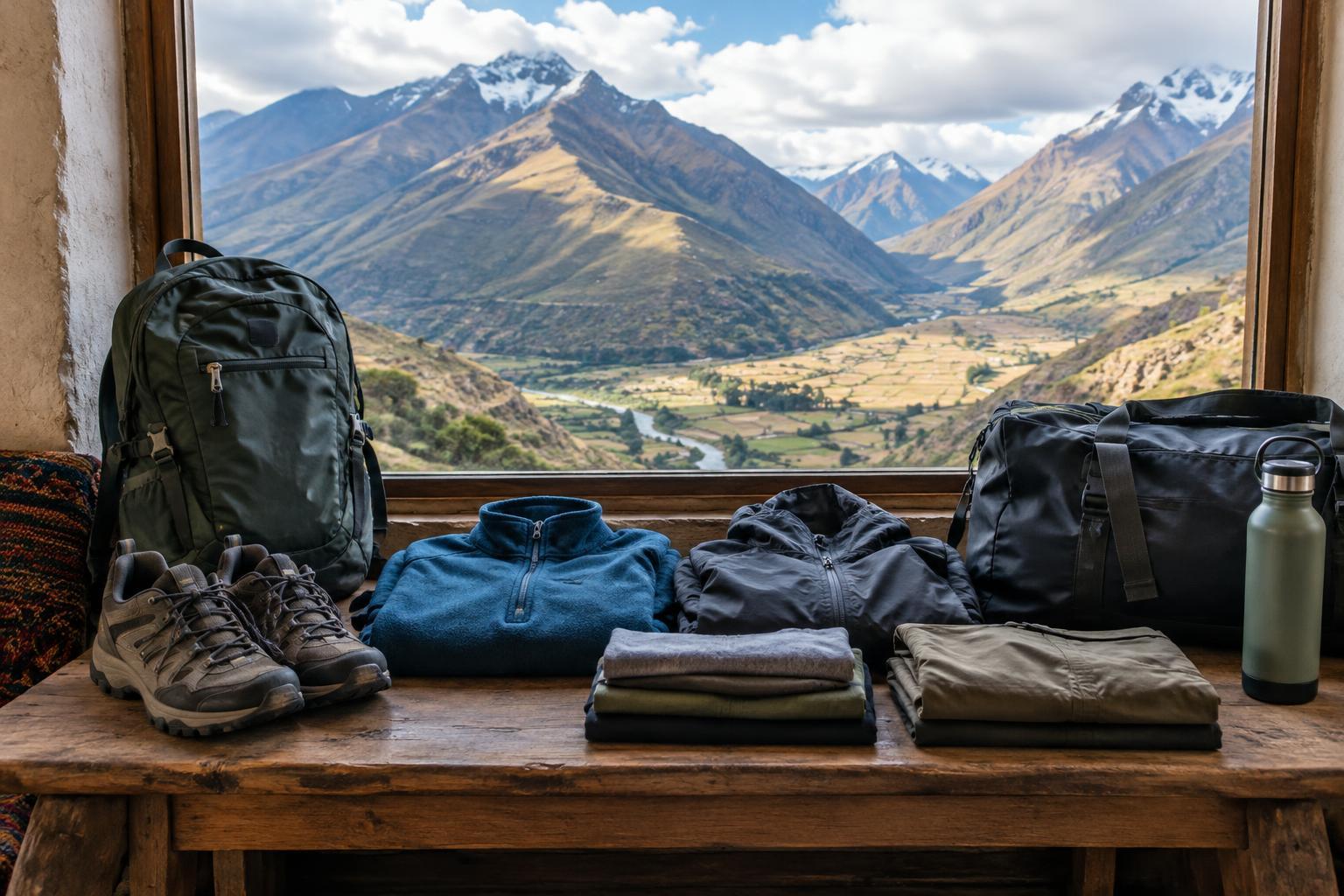
The most convincing scarf purchase usually begins in your own wardrobe. Lay out the coat or jacket you wear most, two everyday tops and the shoes you would take on a trip. Then ask whether a scarf introduces a useful colour, repeats a colour already present or adds texture to an otherwise simple combination. This is a better test than imagining an entirely new outfit around one attractive photograph. If the piece works with clothes you already enjoy, it has a clearer role after the journey as well as during it.
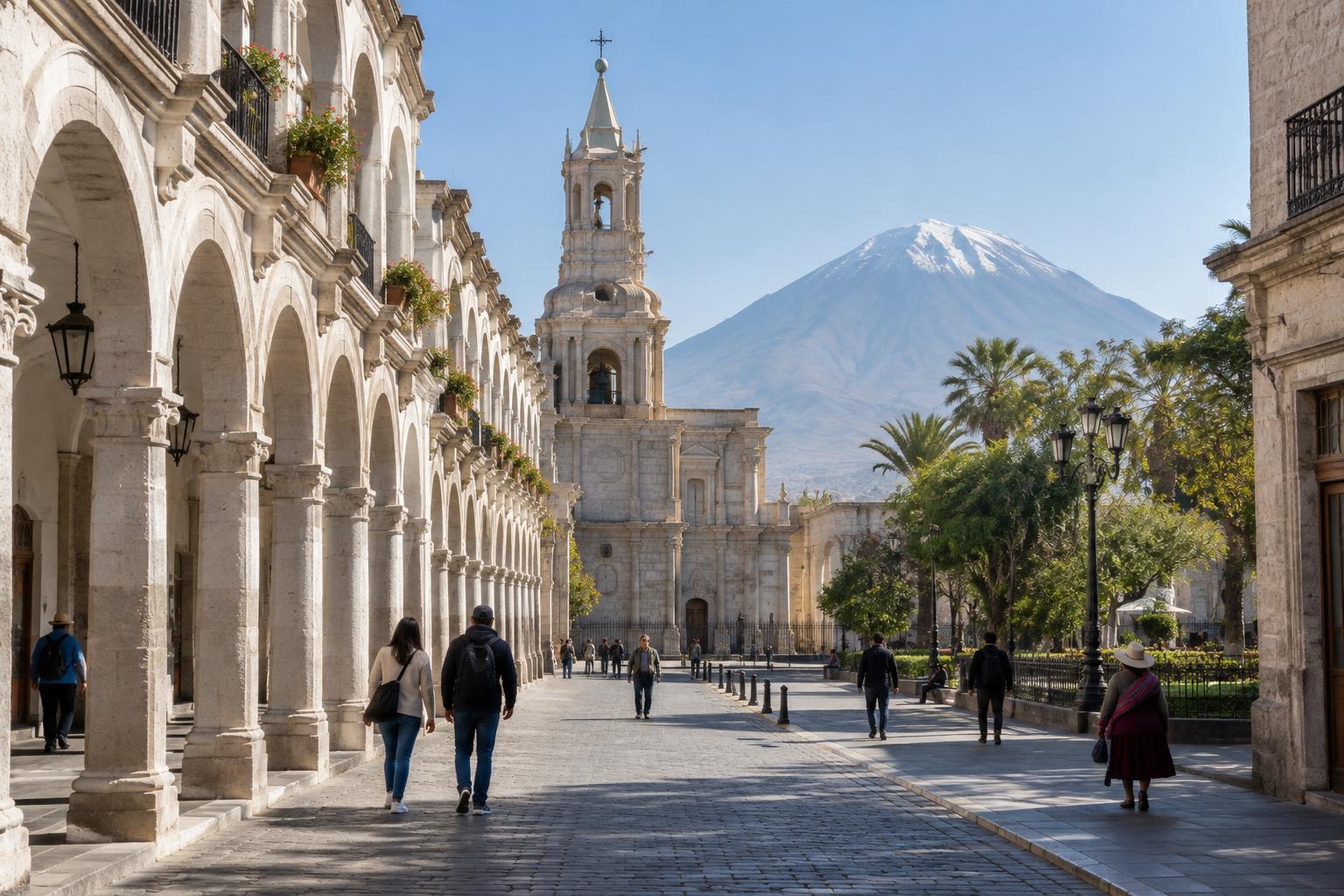
For an Andean itinerary, packing decisions often have to accommodate city days, time on foot and changes in temperature. A scarf can make an ordinary travel outfit feel more put together, but its usefulness depends on the fabric, size and way you intend to wear it. Think of it as a flexible accessory alongside appropriate layers, not as your principal protection from cold, wind or sun. The same restraint helps at home: choose a piece you can imagine wearing on an unremarkable Tuesday, not only in a holiday photograph.
A brand with a history, rather than an invented origin story
The brand’s history begins in 2014 with scarves and clothing. Its activity later paused, and it returned after recovering its domain; that is different from claiming uninterrupted trading since its founding year. Its original brown wordmark, horse motif and “Since 2014” detail are part of its identity, while a neutral taupe palette gives its presentation a restrained setting. Those cues can help explain the visual character of the label, but they do not tell you how an individual scarf is made or how it will feel against your skin.
Its stated focus is on elegant, accessible accessories chosen to suit a woman’s existing wardrobe. That is a useful starting point for a recommendation because it puts the wearer ahead of an idealised outfit. The range includes women’s scarves, shawls, wraps and square scarves, with silk, cashmere and wool categories. Composition varies by product, so the material category is an invitation to read the individual description, not a reason to assume every item has the same fibre content.
Decide what job the scarf needs to do
Before choosing a print or shade, name the situation in which you would reach for the scarf. A compact square might add colour at the neckline when a plain shirt and jacket need a little definition. A longer scarf may be easier to arrange with a coat. A shawl or wrap offers a different silhouette for an evening outfit, particularly when you want something that sits over the shoulders rather than being tied closely around the neck. None of these shapes is automatically the most versatile; the right one depends on the clothes, bag space and habits of the person wearing it.
On a walking day, simple arrangements are often preferable to elaborate knots that need constant adjustment. For a meal after a day out, a familiar scarf can change the mood of the same base outfit without demanding another complete change of clothes. Keep the actual conditions in mind: a mountain route calls for decisions about suitable layers and weather protection in its own right. This accessory guide cannot tell you what a specific trail requires, but it can help you avoid packing a piece whose only purpose is to look appealing while it stays folded in your bag.
How to think about silk without guessing the label
Silk is often chosen when a light-looking finish and a neat drape matter to an outfit. A square scarf can bring pattern close to the face, sit loosely beneath a collar or be tied to a bag handle when it is not being worn. A longer shape creates another effect, especially with a plain dress or jacket. Those are styling possibilities rather than promises about any particular product: dimensions, finish and fibre composition all matter, and a photograph alone may not answer every question.
If you are considering a silk-category piece, read its individual material information and care guidance before committing. Check its dimensions against a scarf you already own: a few centimetres can change whether a knot feels comfortable or whether the ends sit where you expect. Look at the scale of the pattern, too. A large motif may appear very different once folded; a smaller repeat can remain visible in several ways of tying it. Travellers who pack deliberately may appreciate those options, while someone who rarely wears neck accessories might find a straightforward shape easier to use.
Wool, cashmere and the question of warmth
Wool and cashmere categories invite a different set of questions from a decorative silk square. Consider how a scarf sits under the coat you already own, whether you prefer a close wrap or a looser drape, and how much room you want it to occupy in your bag. Thickness, dimensions and construction can change the wearing experience as much as a category name does. Where the precise fibre content is important to you, rely on the individual product information rather than treating the collection name as a composition guarantee.
For travel in the Andes, it is tempting to let a soft-looking accessory stand in for a wider packing plan. Resist that shortcut. Elevation, exposure, season and the day’s activities can all change what clothing makes sense, and local advice for a particular route deserves attention. A scarf may add comfort or help an outfit transition between settings, but it should be considered alongside appropriate clothing. At home, the more durable test of usefulness is whether it works with your regular outerwear and feels comfortable in the ways you actually tie it.
Match colour and pattern to a real wardrobe
Open a wardrobe before opening another tab. If your coats, trousers and shoes are mostly neutral, a red scarf can become a deliberate accent rather than a colour you must keep finding excuses to wear. Brown can echo leather or earth-toned clothing without requiring everything else to match exactly. Black can connect several pieces you already own, although it may be worth checking whether you want contrast near your face. Checked designs can add structure to a plain coat; a patterned square can add movement to a simple neckline.
Colour choices are personal, and the best match is not always the safest one. Try holding a garment in the proposed shade beside your usual coat or top in ordinary daylight. Notice whether you like the relationship between the colours when nothing is styled for a photograph. For a small travel wardrobe, one scarf that works with several outfits may be more useful than several scarves that each need a different set of clothes. For a home wardrobe, think across seasons and occasions rather than building the decision around a single event.
Three easy ways to style one piece
First, let the scarf do little: place it around the neck with the ends hanging naturally over a plain top or under an open jacket. This gives you a quick view of its colour and length without needing to master a knot. Second, fold a square into a narrower band and tie it loosely at the neck, leaving room to move comfortably. The fold changes which part of a print is visible, so it is worth trying more than one orientation before deciding that a pattern is too bold or too quiet.
Third, use a wider wrap over the shoulders with a dress or a simple evening outfit. The resulting line is different from a scarf tied under a coat and can make the same accessory feel more formal. Keep practicalities in view: loose ends may be inconvenient on a windy walk, and a bag-handle knot should be secure enough for ordinary movement. There is no obligation to turn every scarf into a clever trick. If one uncomplicated way of wearing it feels good and suits your clothes, that may be the strongest reason to choose it.
Choose a gift for the recipient, not for an imagined occasion
A scarf can be a thoughtful gift because it does not depend on the precise fit of a tailored garment, but that does not make every scarf an easy choice. Notice what the recipient already wears: fine or substantial textures, quiet colours or strong prints, close neckties or loose layers. If they seldom wear scarves, a familiar colour and a straightforward shape may be more welcome than a dramatic piece that demands a new styling habit. If they collect them, look for a gap in the collection rather than buying a near duplicate.
For someone preparing a journey, it can help to ask what they intend to pack instead of assuming that a destination dictates a colour or fabric. A square for city outfits, a wrap for evenings and a scarf for a familiar coat are different gifts with different uses. Check material details if the recipient has specific preferences, and check dimensions if they favour a particular way of tying. The most considerate present says, in effect, that you paid attention to the person’s existing wardrobe and daily life.
Pack with care; care for what you pack
If a scarf earns a place in your luggage, decide when you will wear it rather than packing it as a vague possibility. Put together two or three outfits before leaving and see whether the same piece improves any of them. A square can be folded compactly, while a larger wrap asks for more space; the trade-off may be worthwhile if you know exactly when you want it. Keep delicate pieces away from items that might snag them, and follow the care directions for the actual product rather than assuming that every scarf in a material category should be treated identically.
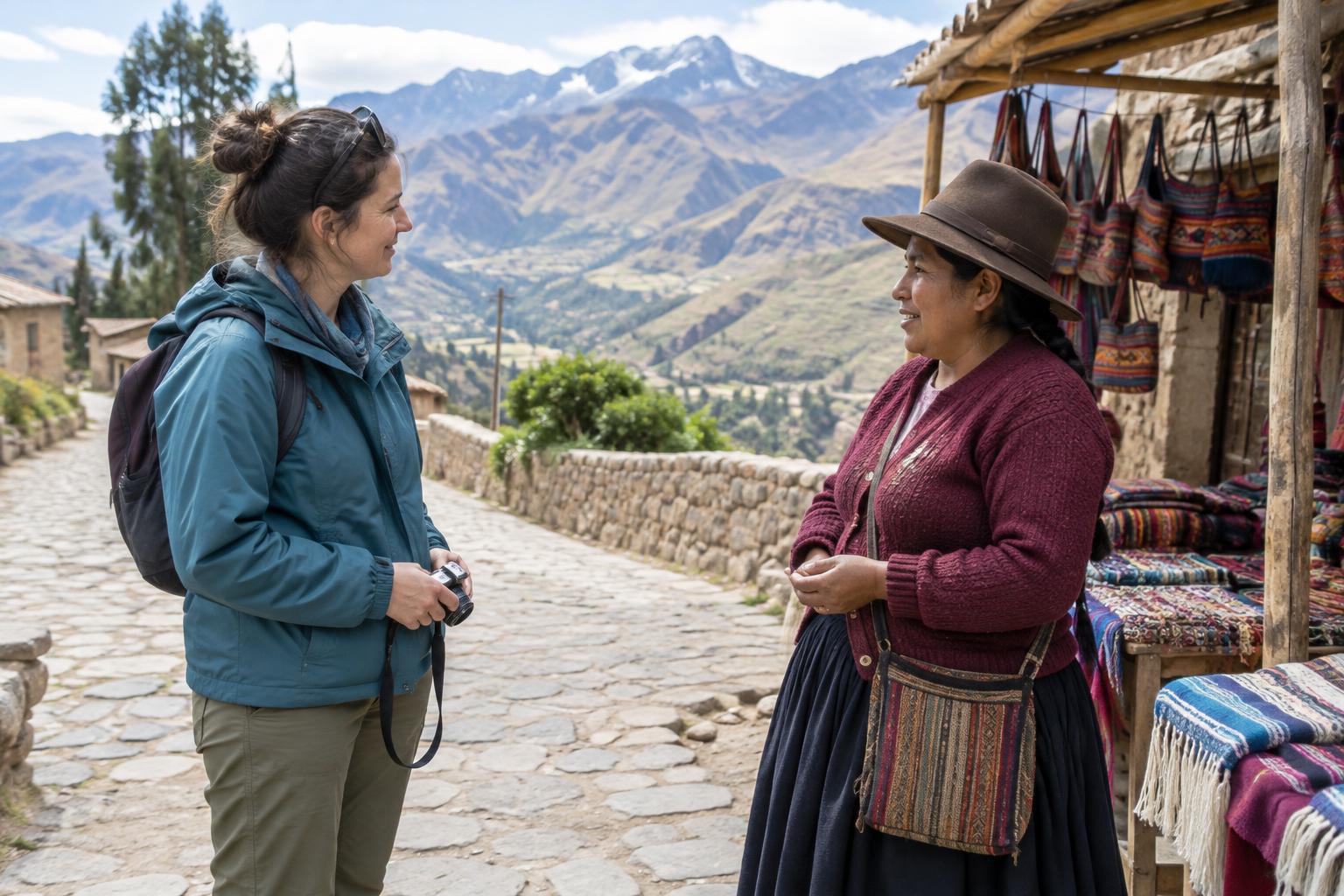
Travel planning on this magazine includes food, traditions, landscapes and responsible choices, not just what fits in a suitcase. An accessory does not turn a visitor into a representative of a place, and an outfit should not be presented as a substitute for engaging respectfully with communities. Buy for a genuine use, look after what you already own and avoid attaching unsupported environmental claims to a purchase. A well-considered scarf can be part of a practical travel wardrobe without becoming the story of the journey itself.
Find the right regional and language version
The brand has 20 regional domains, 21 regional-language versions and 16 distinct languages. Those figures describe different things: a country can have its own destination while sharing a language with another country, and one domain can offer more than one language version. Germany and Austria, for example, have separate German-language destinations; Belgium and the Netherlands have separate Dutch-language destinations. The United Arab Emirates accounts for the extra version on one domain, with Arabic at the root and English at /en.
The guide below keeps each destination’s language visible so you can choose where to browse before assessing any individual item. Collection links point to particular kinds of scarves or styling directions, not to a recommendation that every product in a collection will suit you. Read the relevant product details for composition, dimensions and care, then return to the simplest question in this article: can you picture wearing it with clothes you already have?
Regional guide to scarf destinations
Choose the country and destination language that suit you. Each entry distinguishes a regional home from any linked collection; where a direct collection address appears, it leads to the category described immediately before it. Shared languages do not make separate country destinations interchangeable, and the two United Arab Emirates entries use different language versions of the same regional domain.
Poland — Polish
For the Polish-language destination in Poland, the regional home is UniqueYou. If wool is the material category you want to consider, UniqueYou leads to the wool-scarf collection. Compare the dimensions and stated composition of individual pieces with the coat you normally wear rather than deciding from the category name alone.
Germany — German
For the German-language destination in Germany, begin at the regional home, UniqueYou. To consider smaller neck scarves that could sit with a shirt or jacket, use the corresponding collection, UniqueYou.
If brown works with your existing outerwear, the direct address for the German-language brown-scarf collection is — https://uniqueyou-store.de/collections/schals-in-braun. Think about whether you want a close tonal match or a little contrast.
Czechia — Czech
For the Czech-language destination in Czechia, UniqueYou leads to the regional home. The collection at UniqueYou is a starting point for silk neck scarves; check a piece’s size if you have a particular tie or collar in mind.
For a different styling position, the direct address for the Czech-language collection of head and hair scarves is — https://uniqueyou.cz/collections/satky-na-hlavu-a-do-vlasu. A pattern can look quite different when folded into a narrow band.
Spain — Spanish
For the Spanish-language destination in Spain, the regional home is UniqueYou. The collection at UniqueYou is for scarves intended to be considered with dresses and weddings; match one against the actual outfit rather than an imagined occasion.
For an everyday outerwear question, the direct address for the Spanish-language wool-scarf collection is — https://uniqueyou.es/collections/bufandas-de-lana. Check the individual material information before choosing a piece for its feel or warmth.
France — French
For the French-language destination in France, start with the regional home, UniqueYou. If you are weighing a cashmere-category scarf against pieces already in your wardrobe, UniqueYou leads to that collection; check each item’s composition and dimensions.
For a restrained colour option, the direct address for the French-language black-scarf collection is — https://uniqueyou.fr/collections/echarpes-noires. Hold black beside the coat and top you wear most to see whether the combination has the contrast you want.
Hungary — Hungarian
For the Hungarian-language destination in Hungary, visit the regional home at UniqueYou. The red-scarf collection at UniqueYou is worth considering if your usual outfits leave room for a clear colour accent, whether for travel or daily wear.
For a different fabric category, the direct address for the Hungarian-language collection of silk scarves is — https://uniqueyou.hu/collections/kendok-selyembol. Read the details of the individual piece before deciding how it might drape.
Italy — Italian
For the Italian-language destination in Italy, UniqueYou opens the regional home. The silk-scarf collection at UniqueYou offers a place to think about pattern, shape and how a scarf would sit with a familiar jacket.
If you are instead comparing accessories for outerwear, the direct address for the Italian-language wool-scarf collection is — https://uniqueyou.it/collections/sciarpe-in-lana. Use your usual coat and preferred way of tying a scarf as your reference points.
Romania — Romanian
For the Romanian-language destination in Romania, UniqueYou leads to the regional home. The cashmere-scarf collection at UniqueYou gives you a more specific place to browse if texture and drape are central to your choice. Confirm the stated composition of any individual piece, then consider whether its dimensions suit the way you like to wear a scarf.
Slovakia — Slovak
For the Slovak-language destination in Slovakia, the regional home is UniqueYou, while UniqueYou leads to a scarf collection. It is a useful broad starting point if you have not yet decided between a quiet addition to a coat and a more noticeable accent. Narrow the choice by colour, size and the clothes you already wear most often.
Finland — Finnish
For the Finnish-language destination in Finland, begin at the regional home, UniqueYou. If a lighter-looking scarf is the idea, UniqueYou leads to the silk-scarf collection. Compare the stated dimensions with a scarf you already know how to wear; the difference between a compact necktie and a longer drape matters more than a category label alone.
Sweden — Swedish
For the Swedish-language destination in Sweden, UniqueYou opens the regional home and UniqueYou leads to a scarf collection. Browse with a specific coat, top or dress in mind rather than treating versatility as something every design automatically has. A piece that works with two ordinary outfits may be more useful than one reserved for a single imagined look.
Denmark — Danish
For the Danish-language destination in Denmark, the regional home is UniqueYou. The silk-scarf collection at UniqueYou is a place to explore a more defined neck detail or a softer finish alongside simple clothing. Check each piece’s material details and size before deciding whether it would suit a close knot or a looser arrangement.
Belgium — Dutch
For the Dutch-language destination in Belgium, use the regional home at UniqueYou. The silk-scarf collection at UniqueYou offers a narrower starting point if you want to consider pattern near the face or a compact addition to a travel outfit. This is a separate country destination from the Dutch-language version for the Netherlands.
Austria — German
For the German-language destination in Austria, UniqueYou leads to the regional home. To consider silk neck scarves with a shirt, jacket or dress, use the collection at UniqueYou.
For a more occasion-focused shape, the direct address for the German-language collection of stoles for dresses and weddings is — https://uniqueyou.at/collections/stolen-fur-kleider-und-hochzeiten. Compare the width and length you need with the outfit you intend to wear, not just the event name.
Netherlands — Dutch
For the Dutch-language destination in the Netherlands, begin at the regional home, UniqueYou, or go to the scarf collection at UniqueYou. Although the destination language is also Dutch in Belgium, this is its own country version. Start with the shape you reach for most, then decide whether a new colour or pattern would genuinely add something to your wardrobe.
United States — English
For the English-language destination in the United States, UniqueYou opens the regional home. If you like a compact accessory with several ways to fold it, UniqueYou leads to the square-scarf collection.
For a broader starting point, the direct address for the English-language scarf collection is — https://uniqueyou-store.com/collections/scarves. Compare a few shapes against the jacket or top you expect to wear with them most often.
United Arab Emirates — Arabic
For the Arabic-language destination in the United Arab Emirates, UniqueYou leads to the regional root. It is distinct from the English-language version offered on the same domain.
If you want to consider the cashmere category, the direct address for the Arabic-language cashmere-scarf collection is — https://uniqueyou.ae/collections/أوشحة-من-الكشمير. Check the individual product’s composition and care information rather than assuming that its category describes every detail.
United Arab Emirates — English
For the English-language destination in the United Arab Emirates, UniqueYou leads to the /en version rather than the Arabic root. This second language version is why the brand has one more regional-language version than regional domains. Browse in the language that helps you assess the individual scarf’s material, dimensions and care instructions most confidently.
Ireland — English
For the English-language destination in Ireland, start at the regional home, UniqueYou. If a red accent would work with your usual coat or a plain dress, UniqueYou leads to the red-scarf collection. Compare shades against clothes you own; a strong colour is most useful when you can already name the outfits you would wear it with.
United Kingdom — English
For the English-language destination in the United Kingdom, UniqueYou leads to the regional home and UniqueYou to the checked-scarf collection. A check can bring structure to a plain coat, but its scale matters once the scarf is folded or wrapped. Picture it beside your regular outerwear before choosing a pattern for travel or home.
Portugal — Portuguese
For the Portuguese-language destination in Portugal, UniqueYou opens the regional home. The red-scarf collection at UniqueYou is a starting point if you want to introduce colour to familiar neutral outfits.
For a broader scarf category, the direct address for the Portuguese-language collection is — https://uniqueyou.pt/collections/lencos. Compare shape and dimensions before settling on a piece; the most useful choice is one you can see yourself reaching for repeatedly.
Choose the scarf that fits the clothes you own and the plans you have, then let the journey itself remain the reason you travel.
 Responsible Travel