There is no single Andean outfit
The Andes extend across several countries and encompass many languages, climates and communities. Dress varies from place to place, and neighbours may make different choices about what to wear. A garment that is familiar in one town may be uncommon in another. It is more useful to ask about a particular place and person than to look for one outfit that represents “the Andes.”
Clothing can express family knowledge, local identity, skill and aesthetic preference. It can also be chosen for warmth, work, comfort or a specific occasion. Some garments are handmade or passed between generations; others are bought, altered or combined with contemporary clothing. These choices are not evidence that a tradition is either unchanged or disappearing. They are part of how people live.
What people wear day to day
A visitor might see woven shawls, hats, skirts, belts or carrying cloths alongside trainers, jackets, jeans and school or work uniforms. Layers are practical in places where temperatures can shift over a day. The same person may dress differently for farming, a market visit, a journey to town or time at home. Some people regularly wear garments visitors recognise as traditional; others reserve them for particular settings or do not wear them at all.
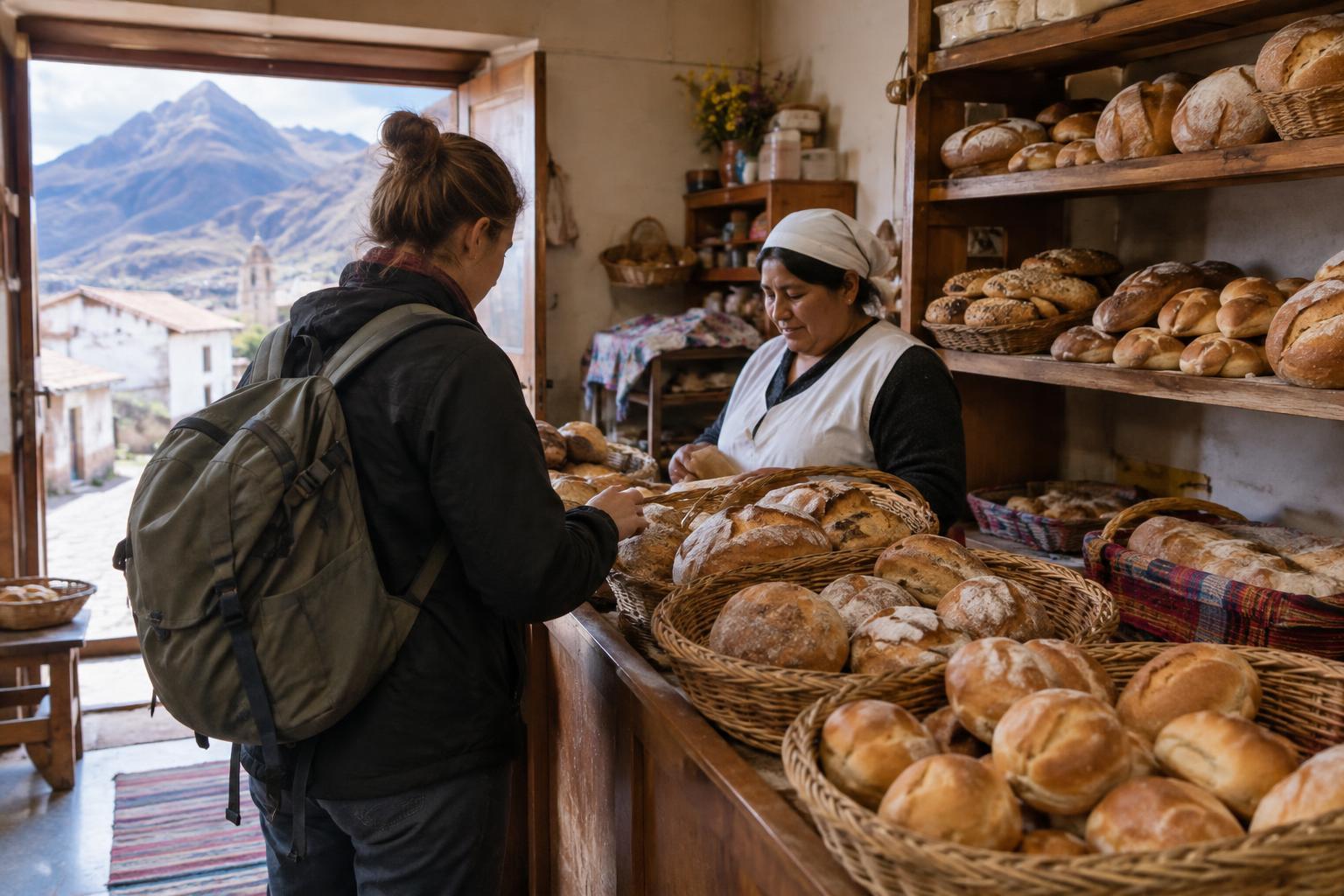
Materials and methods vary too. Textiles may be woven or knitted by hand, made with a machine, or purchased ready-made. A garment can be meaningful without being old or entirely handmade. Avoid treating everyday clothing as a display arranged for travellers: a person carrying goods, commuting or running a stall is going about their day, not necessarily inviting questions about what they wear.
Ceremonial dress belongs to its occasion
Festivals, weddings, religious observances and community gatherings may call for clothing that is more elaborate than everyday wear. Particular colours, accessories or ways of dressing can carry local meanings, but those meanings cannot safely be guessed from appearance alone. Practices also differ within communities: age, family custom, role in an event and personal preference may all matter.
If you attend a public celebration, follow the guidance of hosts and organisers. Give participants room to move, and do not step into a procession to get a better photograph. A public event is not an invitation to handle garments or try them on. When an experience offers visitors the chance to wear local clothing, consider who is offering it, whether participation is welcome in that setting and how the garment is meant to be used.
How to ask without putting someone on display
Curiosity is welcome in many conversations, but timing matters. Ask a question when someone has chosen to talk with you, not when they are busy working or taking part in a ceremony. Start with something specific and open-ended, such as “Is this style common here?” or “Would you mind telling me about how this was made?” Accept a short answer, a refusal or a change of subject without pressing for a fuller explanation.
Ask before taking a close-up photograph, even in a public place. Make clear if you intend to share it online, and respect a no without trying to photograph from farther away. This is especially important with children. If you want to learn about a textile, a maker or seller who offers to explain their work may be a better person to approach than a stranger whose clothing caught your eye.
Buying textiles with care
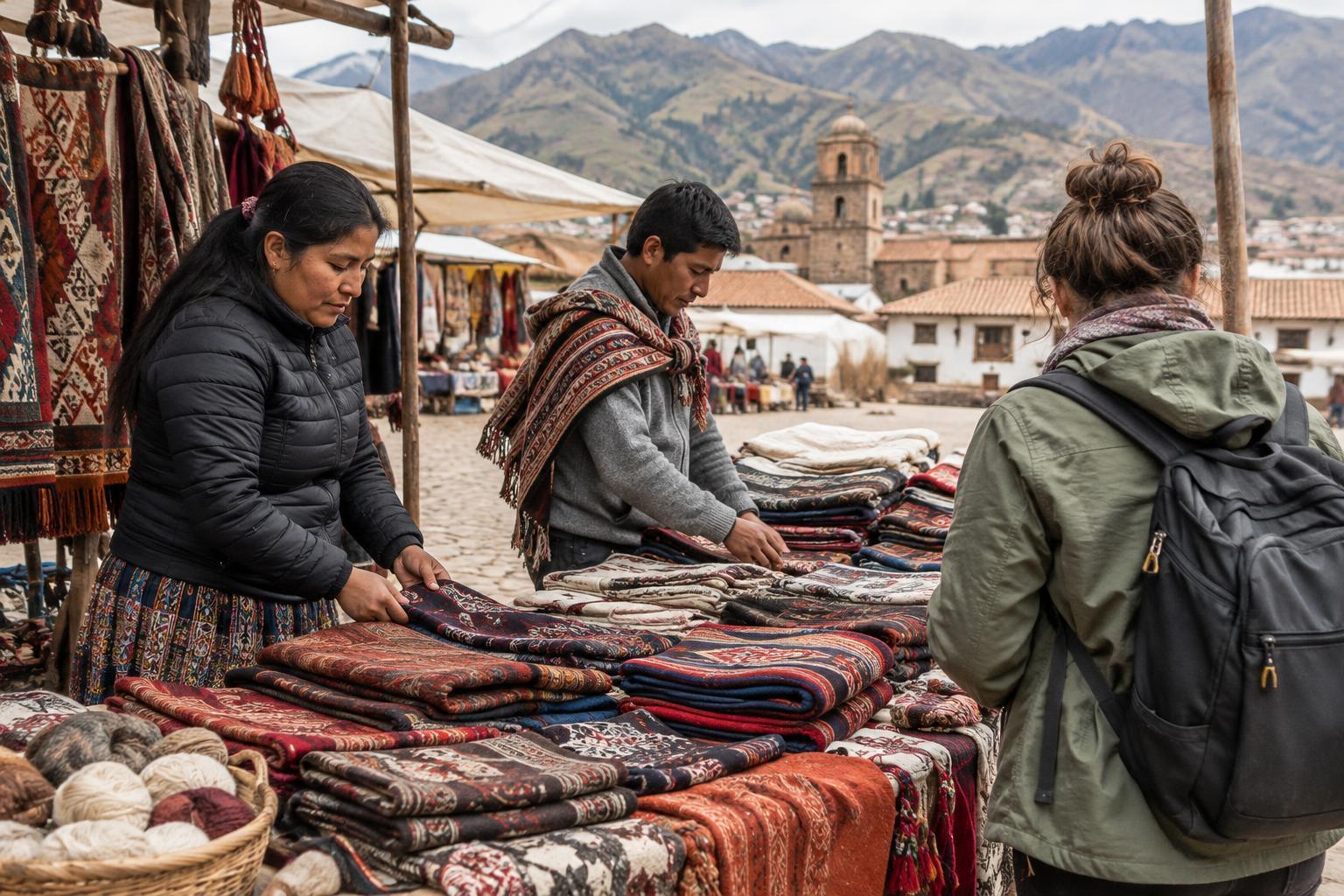
Markets and workshops can be rewarding places to learn, provided you treat the person selling an item as more than a source of cultural commentary. Ask about the materials, making process and care instructions if they have time to talk. Terms such as “handmade” can cover different kinds of work, so a clear question is more helpful than an assumption based on price or appearance.
Set a budget that lets you pay a price you are comfortable with. Where bargaining is customary, keep it courteous and remember that detailed work takes time. If you buy a garment, learn whether it is intended for ordinary use, ceremonial use or display before wearing it. You do not need to master every local meaning to be a considerate visitor; listening, asking permission and allowing people to define their own clothing are good places to start.