
Food and TraditionsA neighborhood bakery can be an easy place to try regional breads and observe everyday food routines. Learn what to look for, how to ask about ingredients and how to order without assuming every bakery works the same way.
Read article · 3 min↗
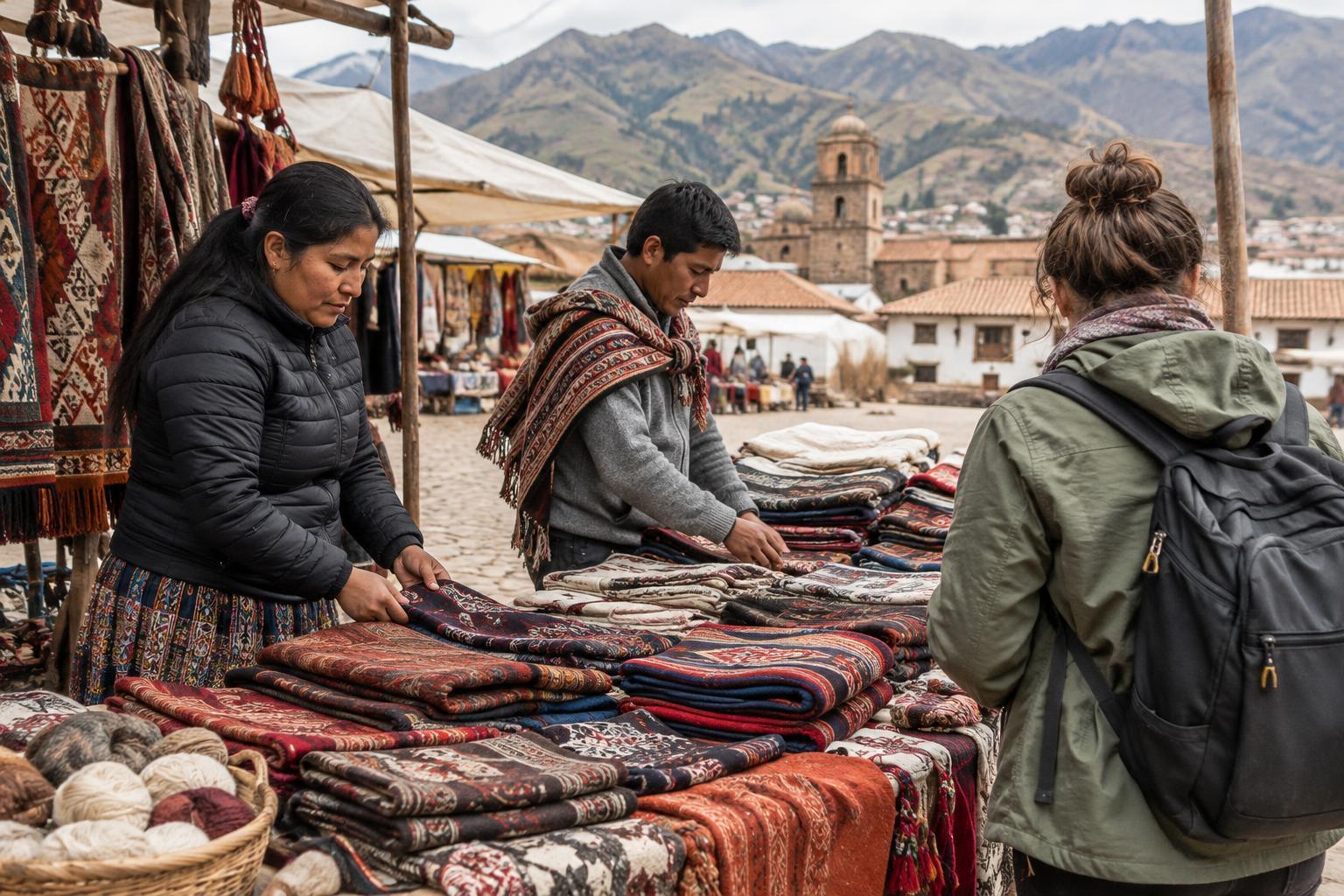
Food and TraditionsClothing across the Andes reflects local traditions, personal choices and changing daily needs. Learn how to appreciate textiles and ceremonial dress without assuming that one outfit represents a whole community.
Read article · 4 min↗
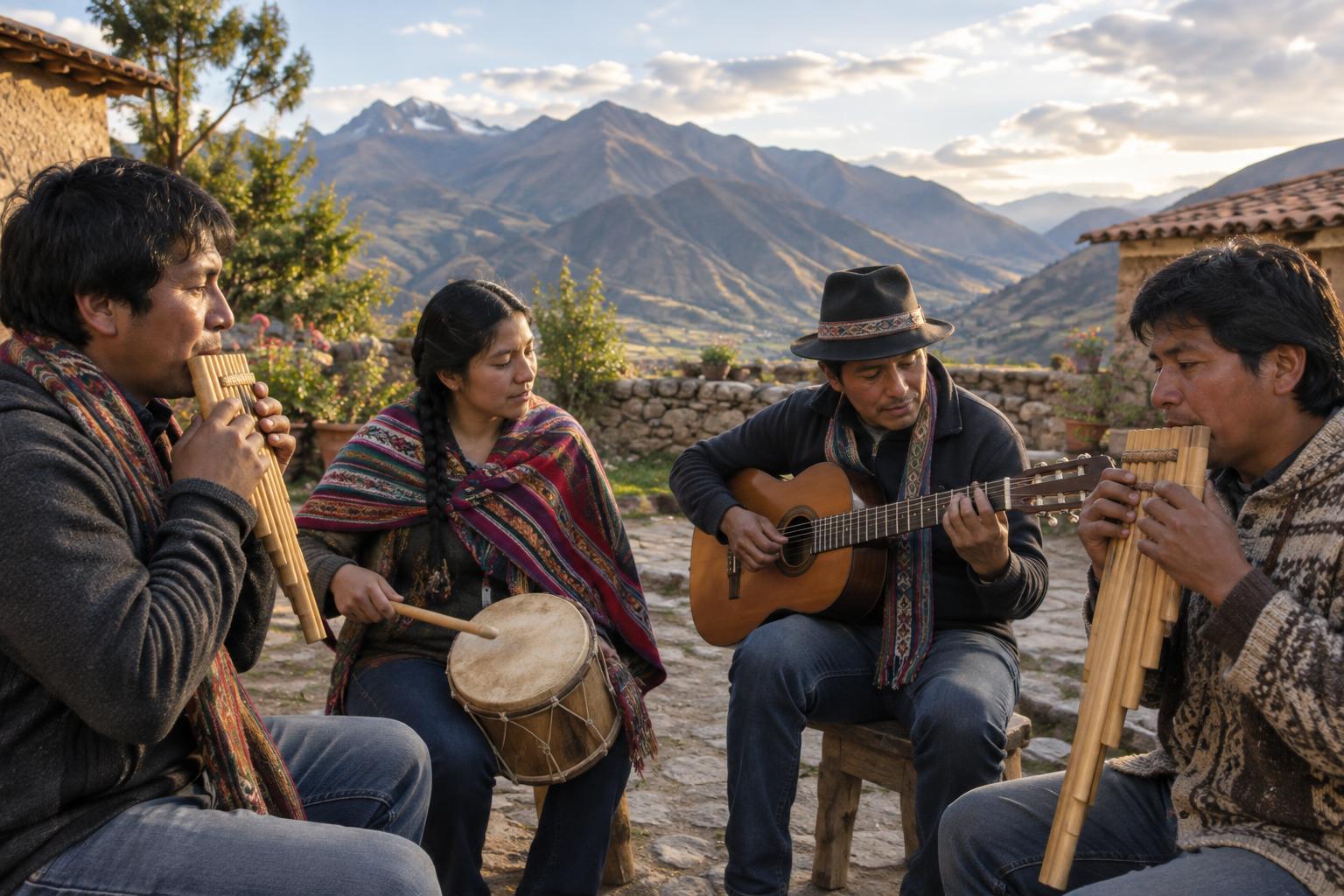
Food and TraditionsFrom the shifting rhythms of huayno to the communal sound of panpipe ensembles, Andean music offers many ways into the region’s landscapes and celebrations. This introduction explores a few styles and suggests how to listen with curiosity and respect.
Read article · 4 min↗
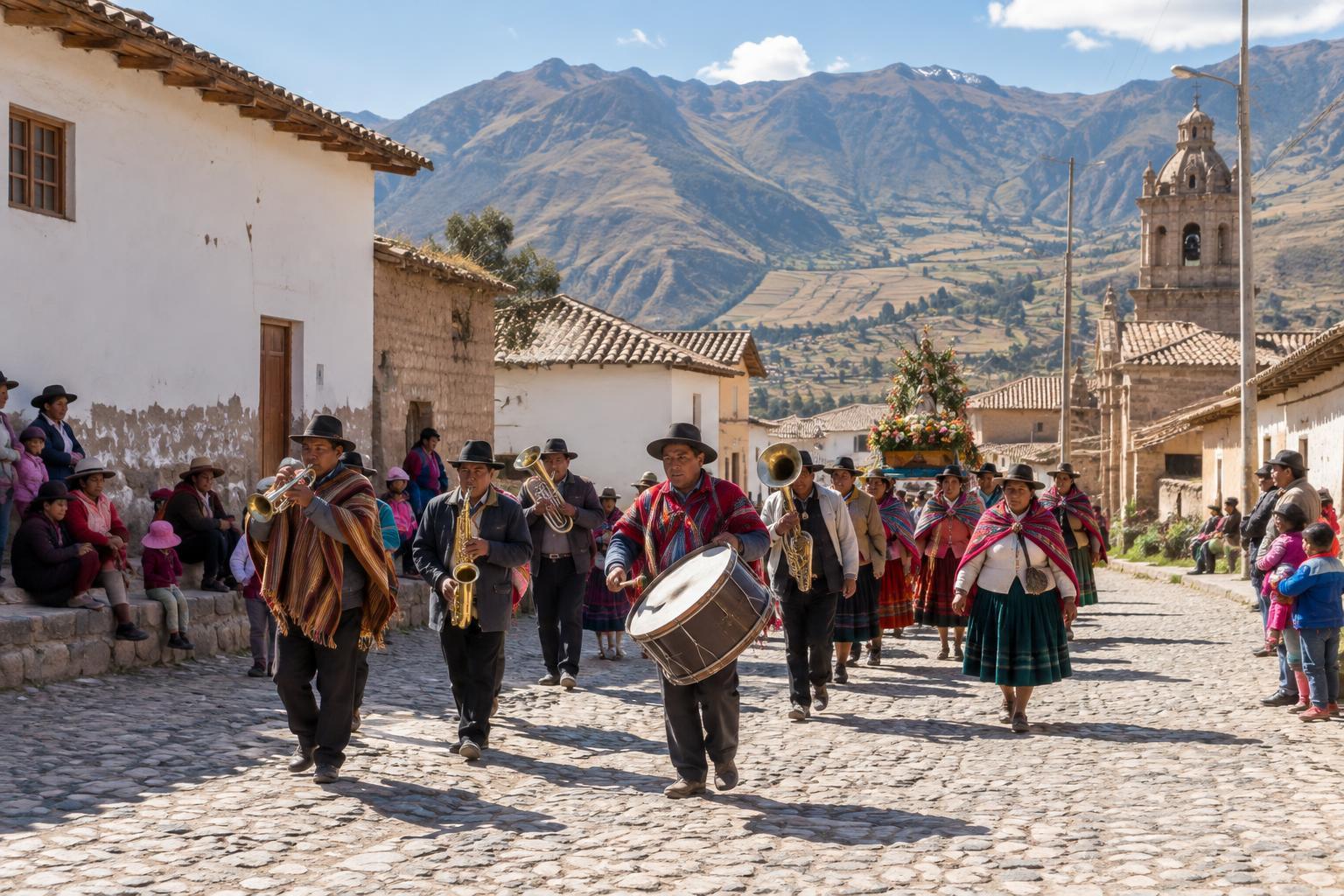
Food and TraditionsAn Andean festival can bring together processions, music, food and family gatherings, but its meaning is not always obvious to a visitor. Learn how to observe respectfully, make room for participants and recognise when a camera should stay put.
Read article · 4 min↗
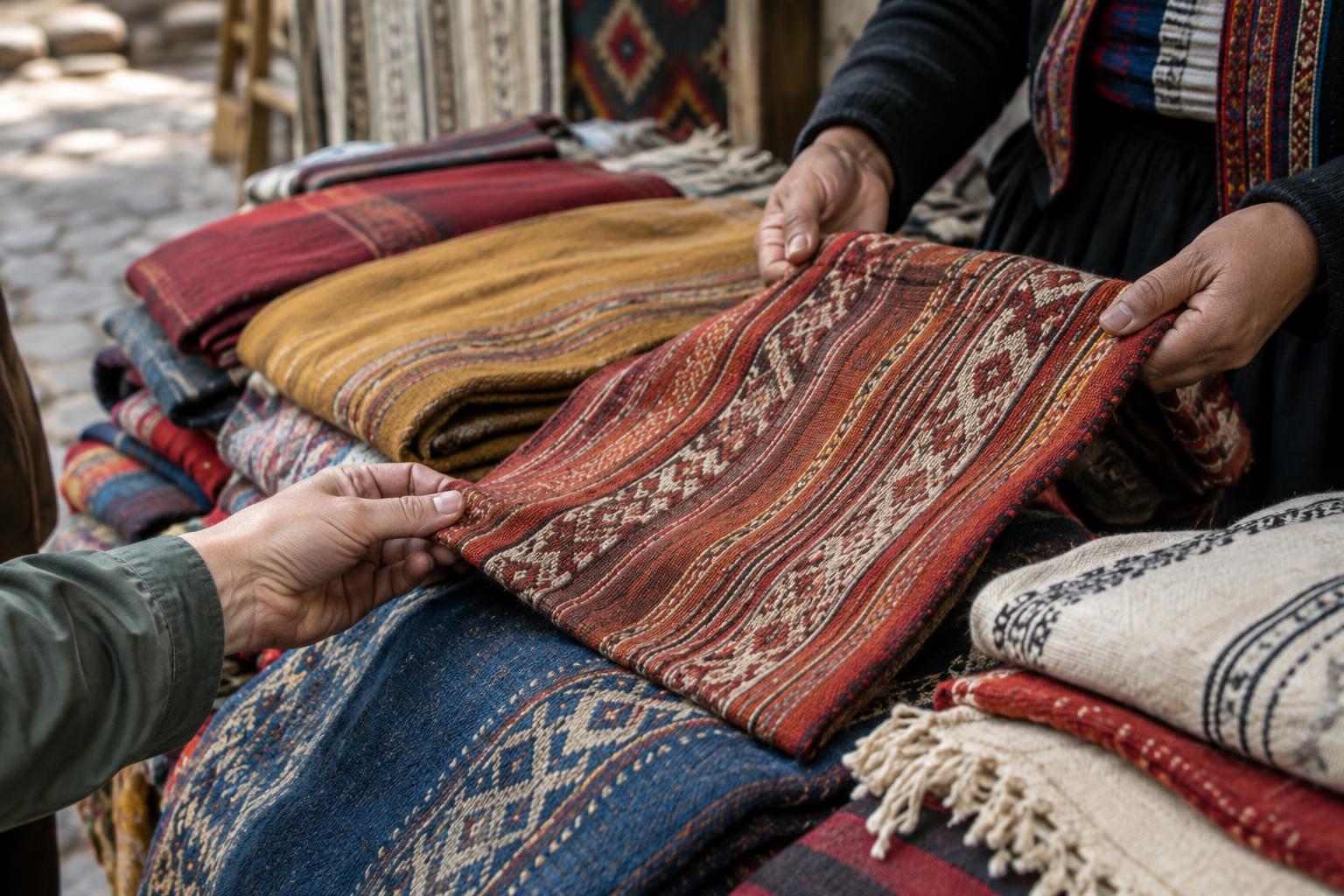
Food and TraditionsA thoughtful textile purchase starts with curiosity, not assumptions. Learn how to ask about fibres, techniques and makers while recognising that handwork, machine production and mixed methods can all have a place in Andean markets.
Read article · 4 min↗
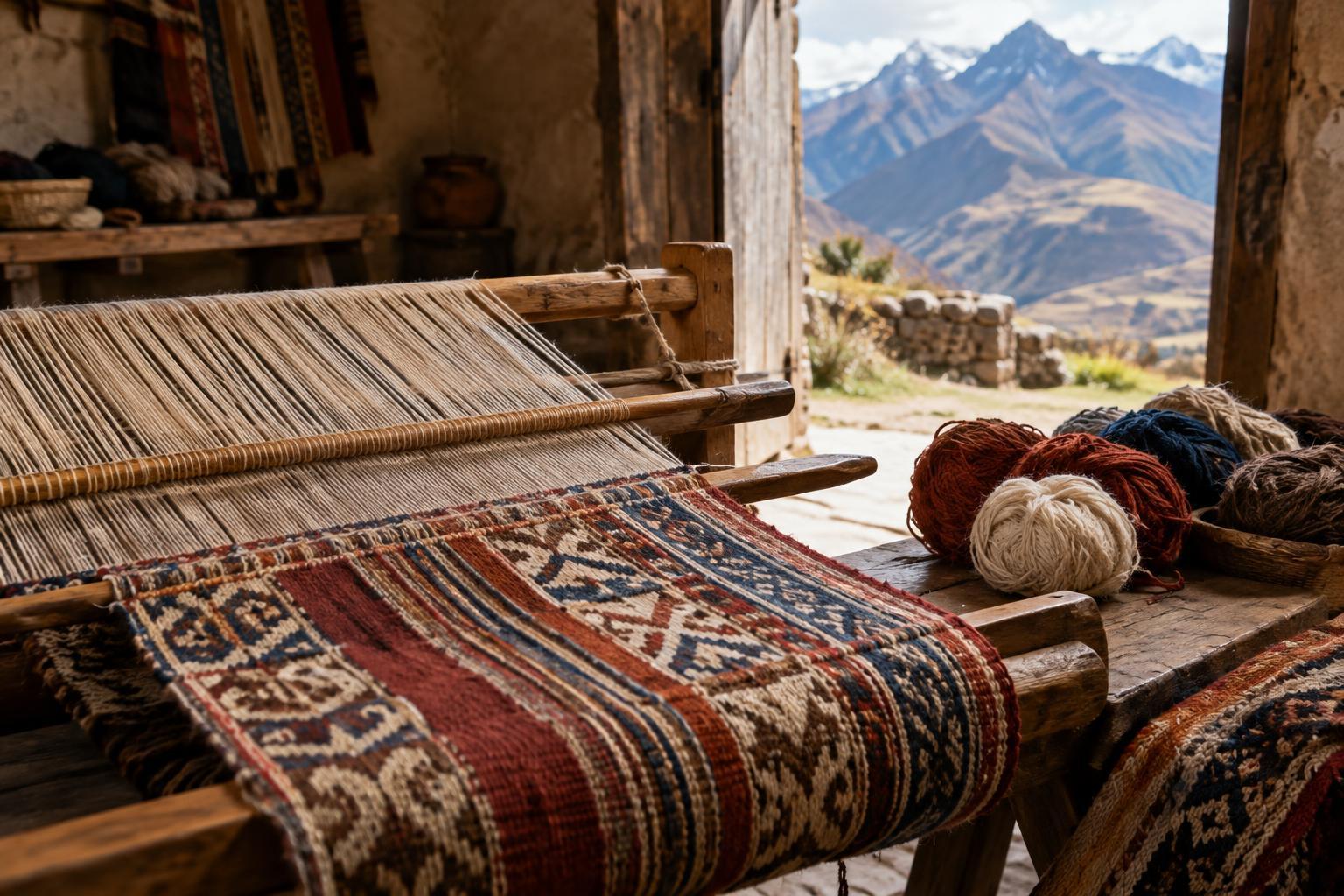
Food and TraditionsAndean textiles can reveal choices about fibre, colour, technique and place, but their designs do not have one universal meaning. This guide explains what travellers can notice and how to ask about a piece with respect.
Read article · 4 min↗
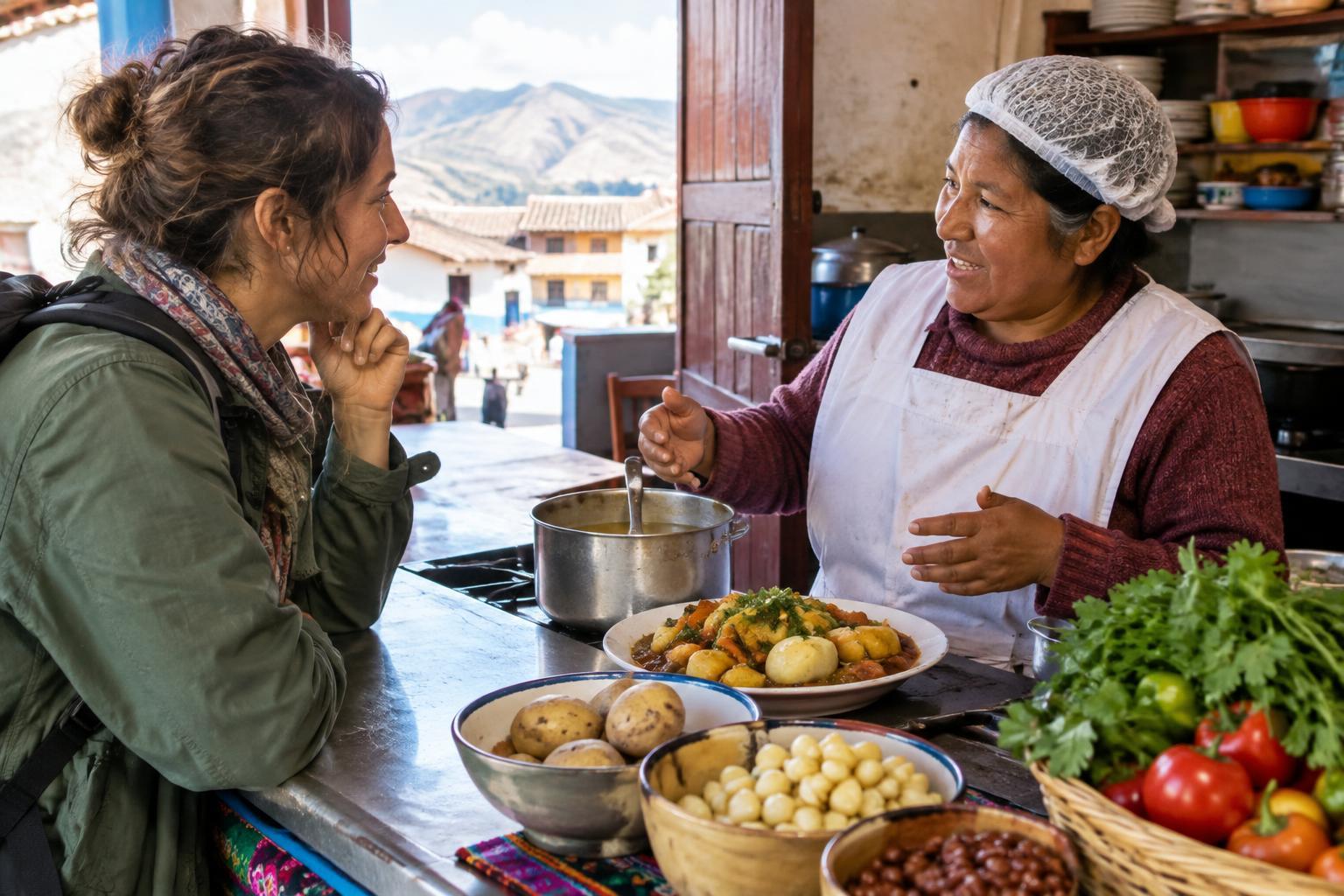
Food and TraditionsA dish can look vegetarian but still contain meat broth or animal fat. Learn practical questions to ask in Spanish, where to check common dishes, and how to keep food conversations clear and courteous while travelling in the Andes.
Read article · 4 min↗
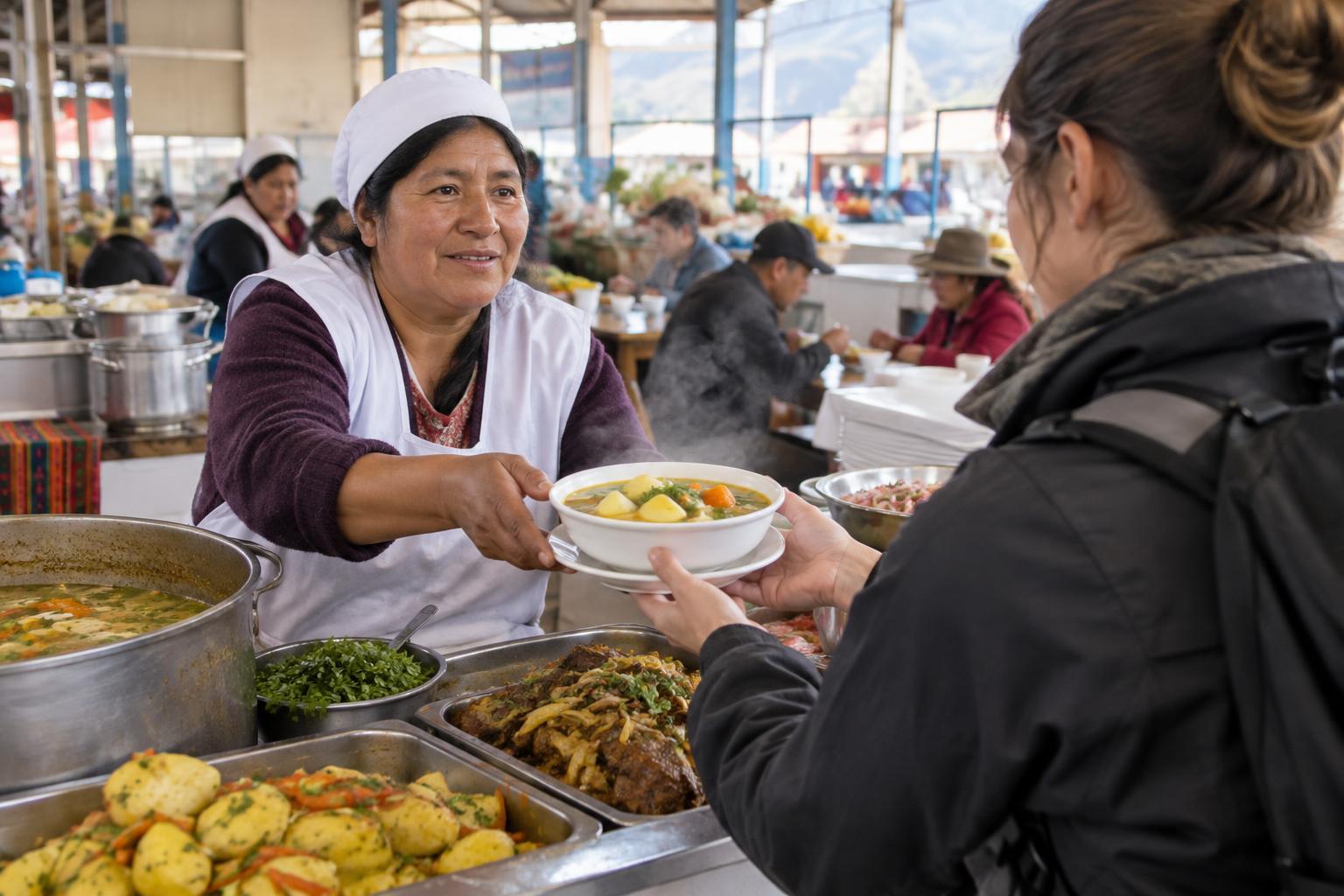
Food and TraditionsA food market can be a practical place to try regional cooking while travelling in the Andes. Learn how to find prepared-food stalls, understand a menu, ask what a dish includes and confirm the price before you sit down.
Read article · 4 min↗
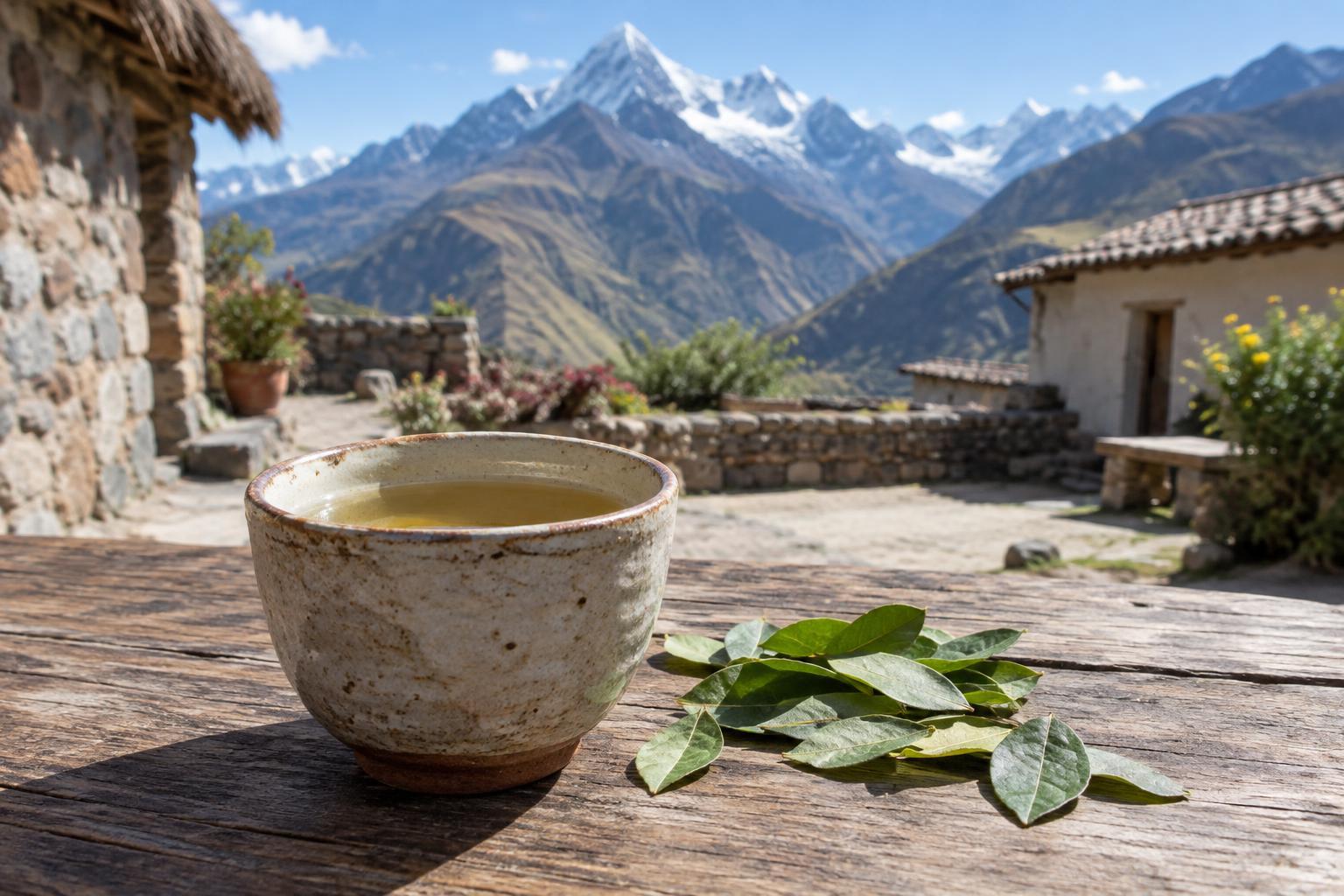
Food and TraditionsCoca tea is a familiar part of daily life in some Andean regions, but a cup enjoyed locally and a packet carried home are different matters. Learn how to approach the tradition respectfully, keep expectations about altitude modest, and check border rules before packing leaves or tea bags.
Read article · 3 min↗
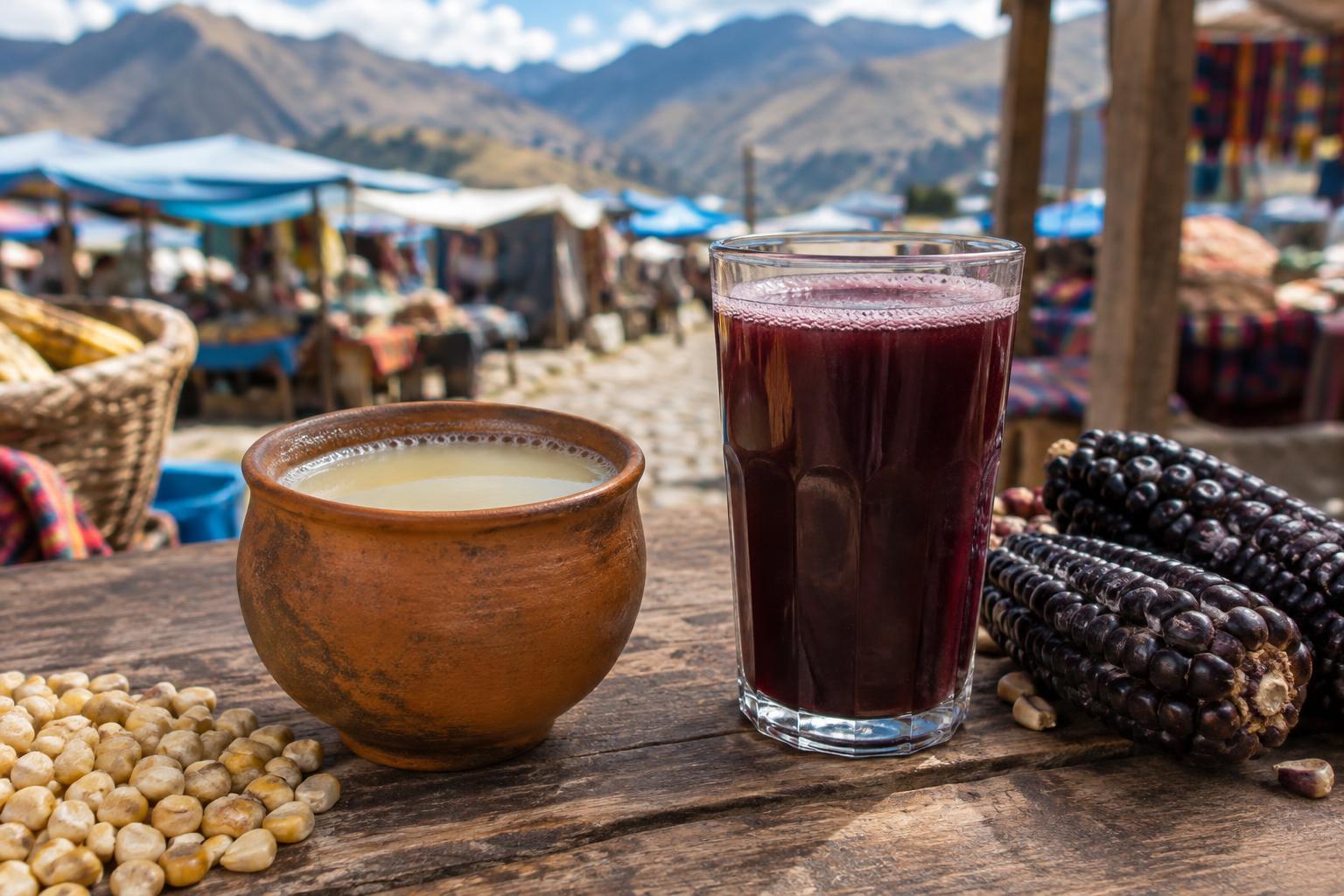
Food and TraditionsChicha can mean a fermented maize drink, a sweet purple-corn refreshment or another local preparation. Learn how to ask about ingredients, alcohol and serving customs without assuming every chicha is the same.
Read article · 4 min↗
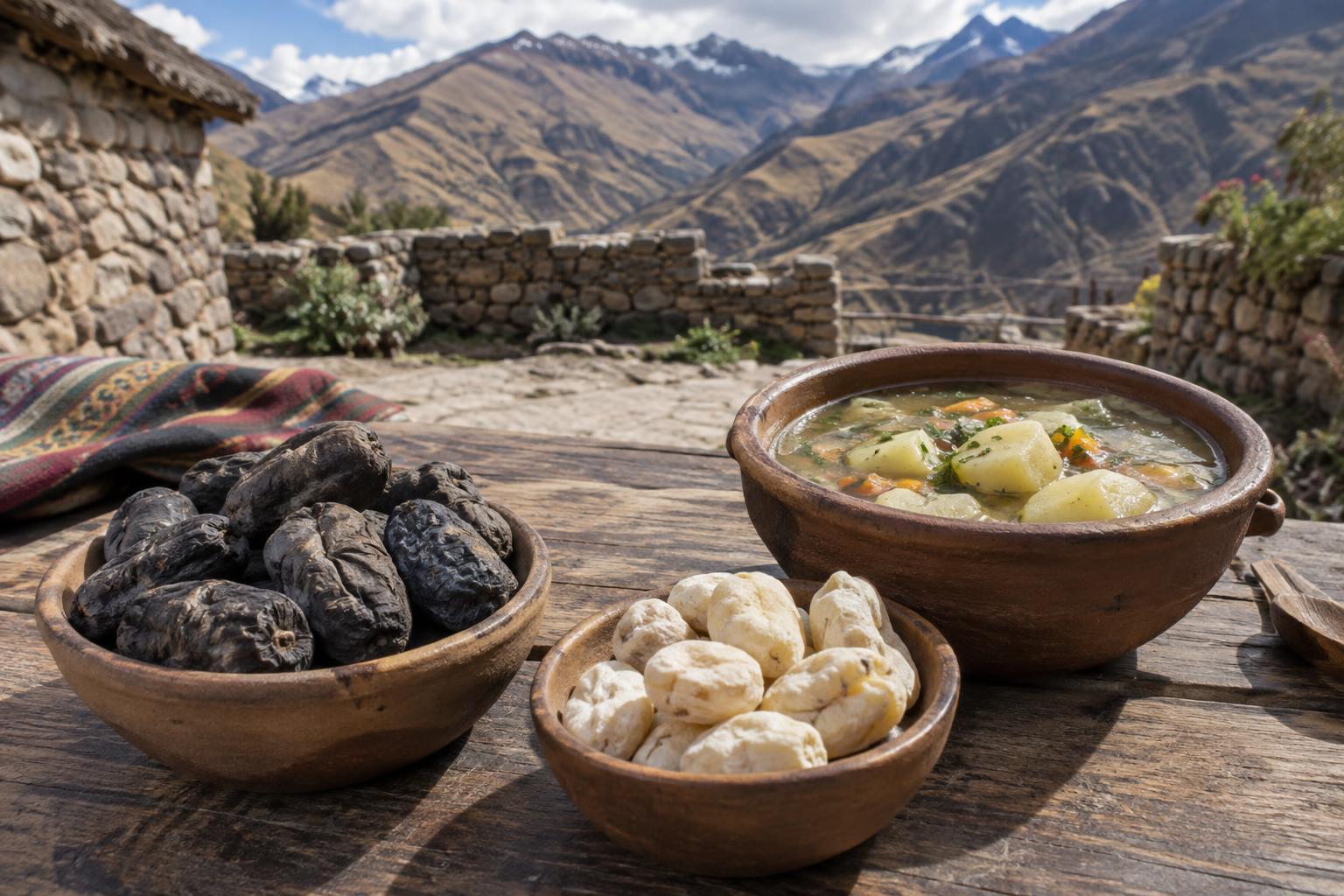
Food and TraditionsIn parts of the Andes, potatoes are preserved as chuño, tunta and other dried foods that can be stored and cooked long after harvest. Learn how these preparations work, why they suit highland life, and how to appreciate them respectfully at the table.
Read article · 4 min↗
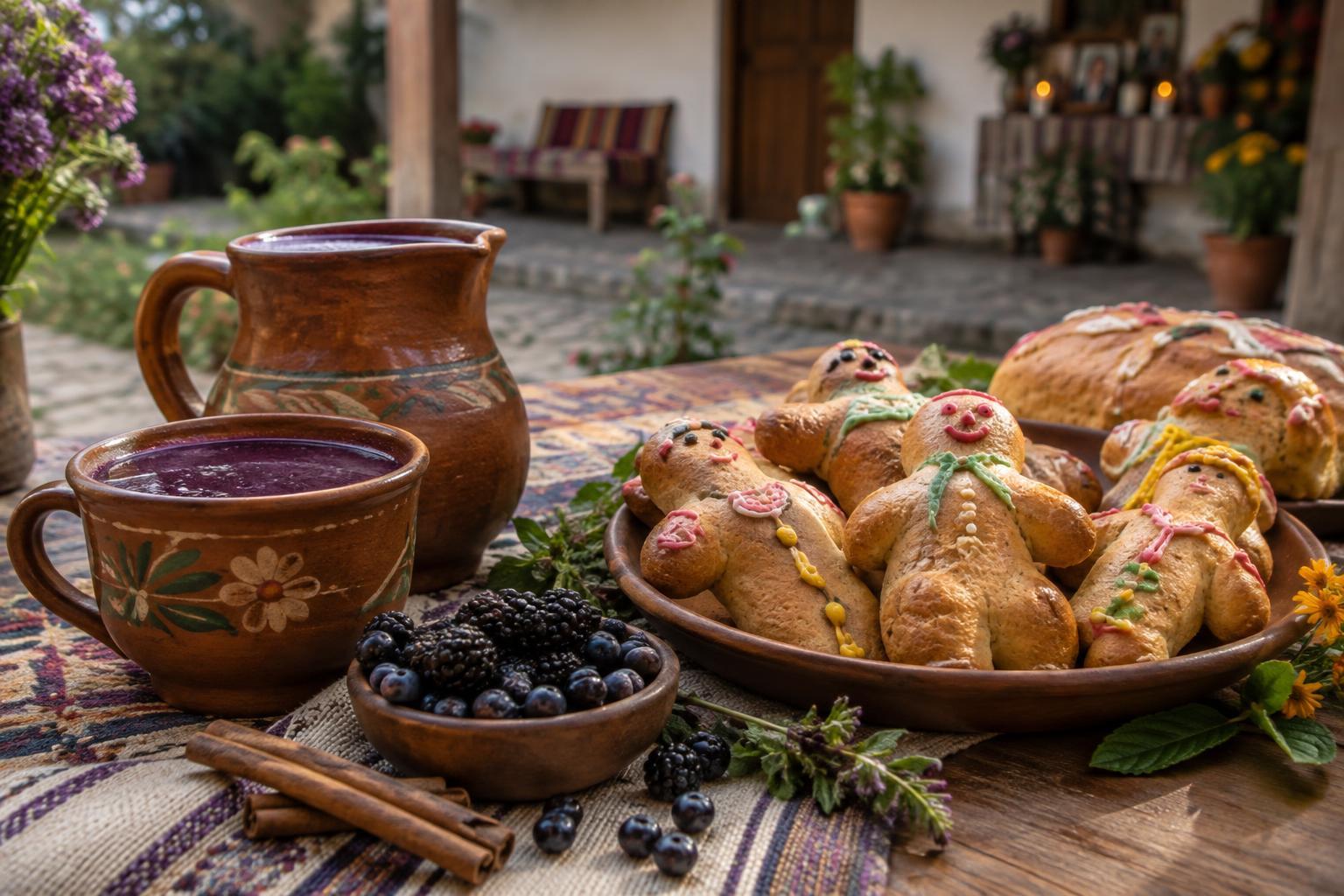
Food and TraditionsAround Ecuador’s Day of the Dead, a thick purple drink and decorated breads bring families together to remember loved ones. Learn what colada morada and guaguas de pan are, why their meanings vary, and how to approach the tradition respectfully as a visitor.
Read article · 4 min↗
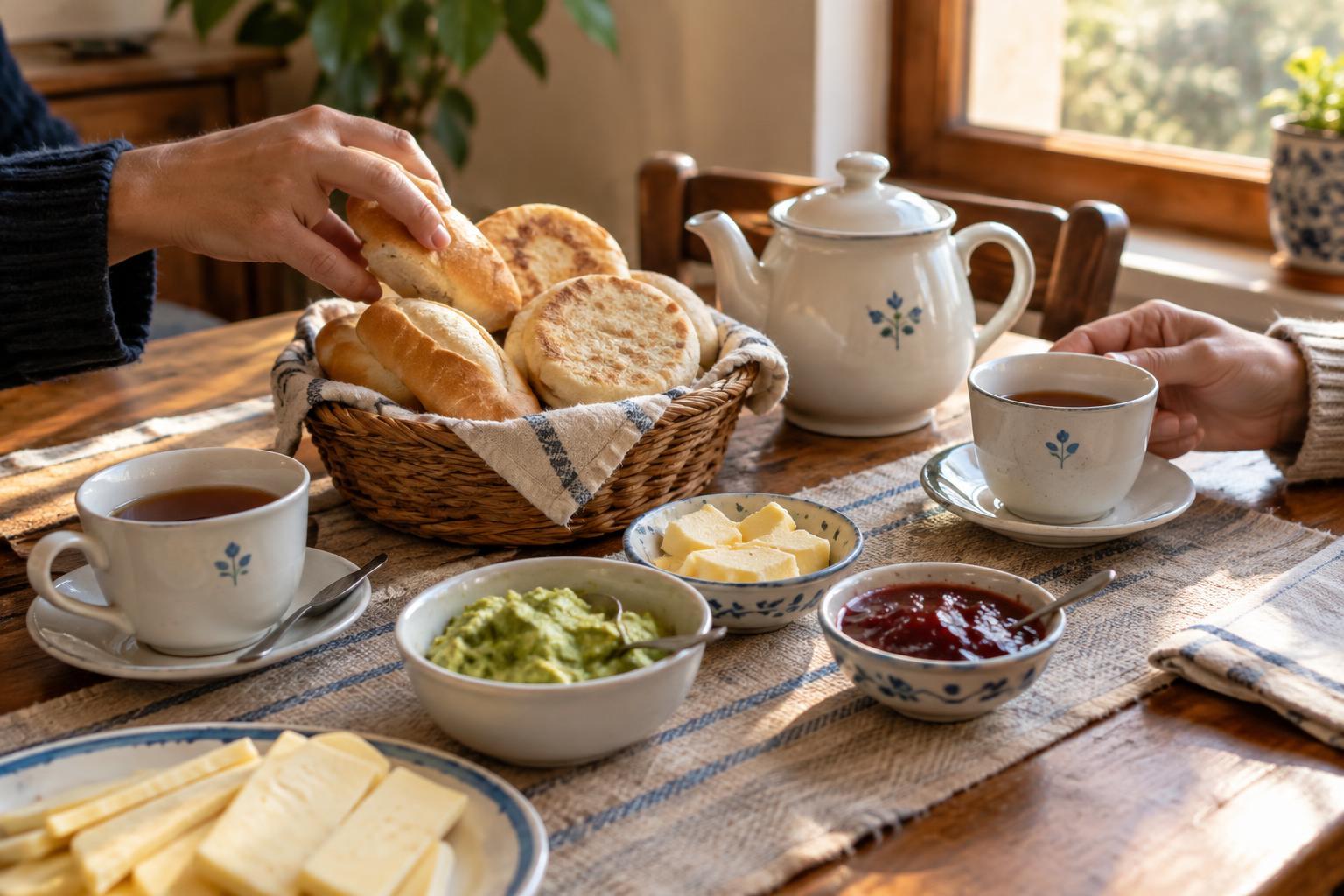
Food and TraditionsIn Chile, once is more than a cup of tea. This flexible late-afternoon meal often brings bread, spreads and conversation to the table. Learn what you might be offered, how the custom varies and how to enjoy it as a visitor.
Read article · 3 min↗
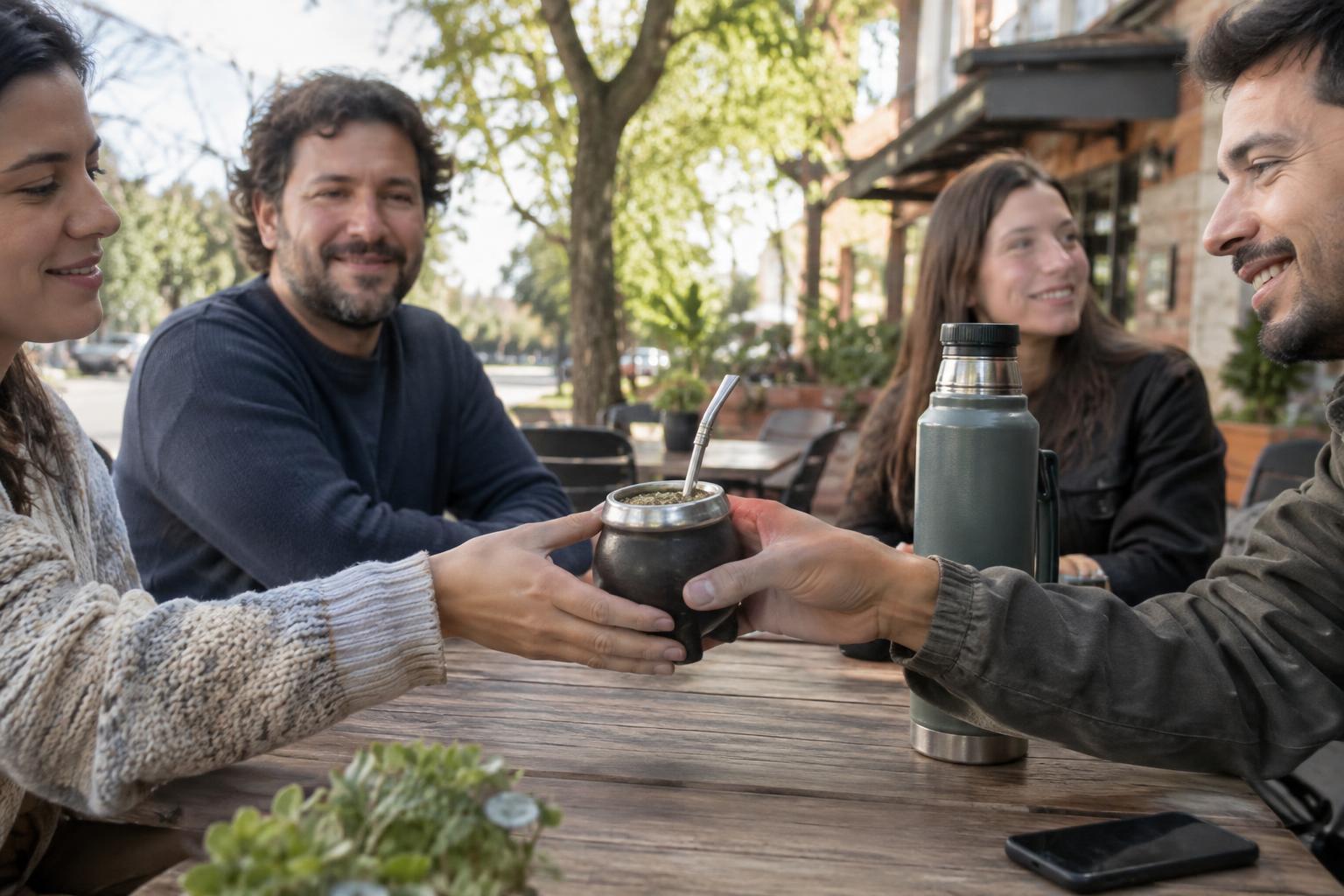
Food and TraditionsMate is often as much about spending time together as it is about the drink. Learn how a shared round usually works in Argentina and Uruguay, what to do with the gourd when it reaches you, and which small mistakes are easy to avoid.
Read article · 4 min↗
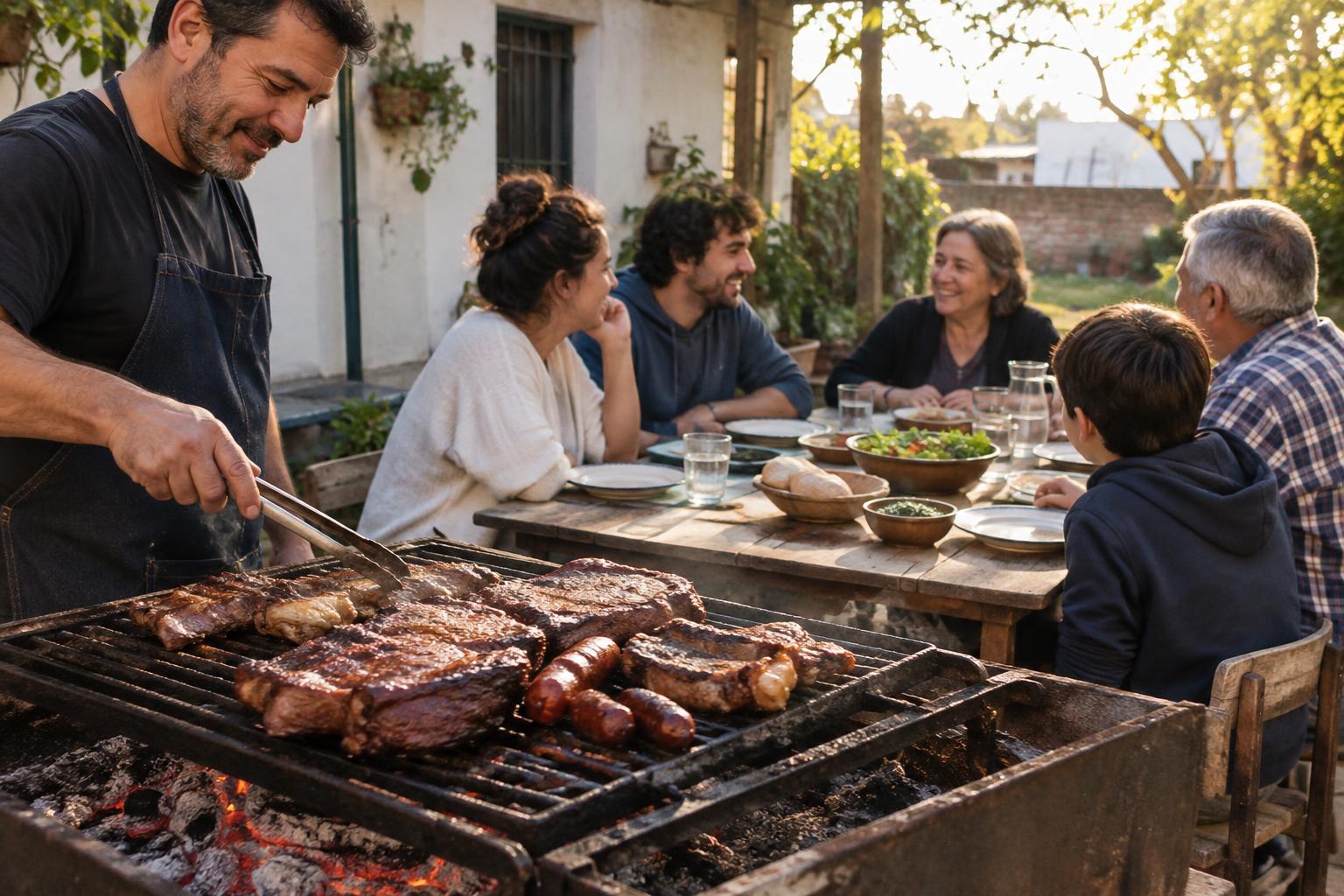
Food and TraditionsAn Argentine asado is as much about time together as it is about the grill. Learn how a meal may unfold, which cuts and sides you might encounter, and how to join the table with curiosity and courtesy.
Read article · 4 min↗
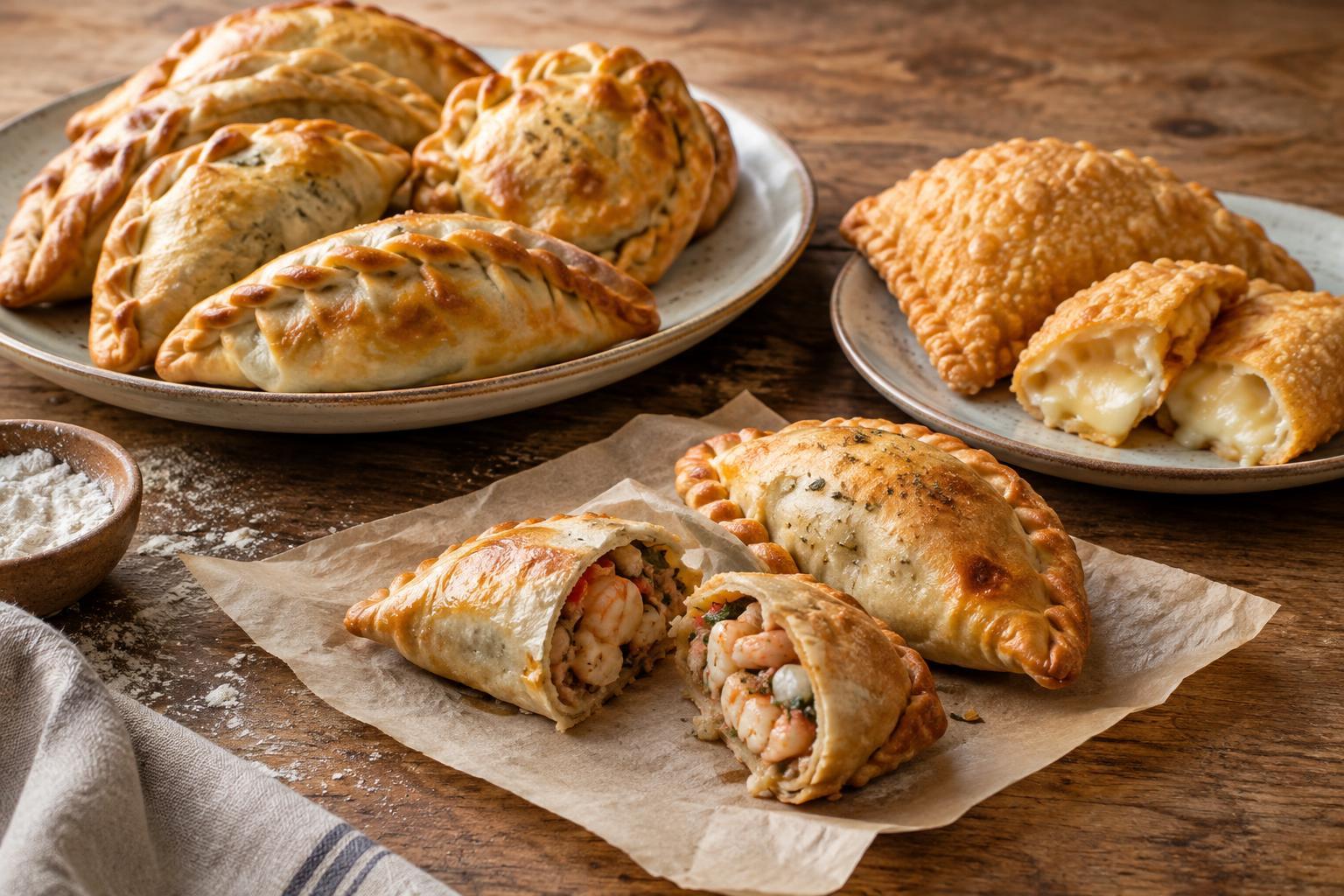
Food and TraditionsFrom baked beef empanadas to fried cheese and seafood versions, explore what you might find in Argentina and Chile—and why the same name can mean something different from one bakery to the next.
Read article · 4 min↗
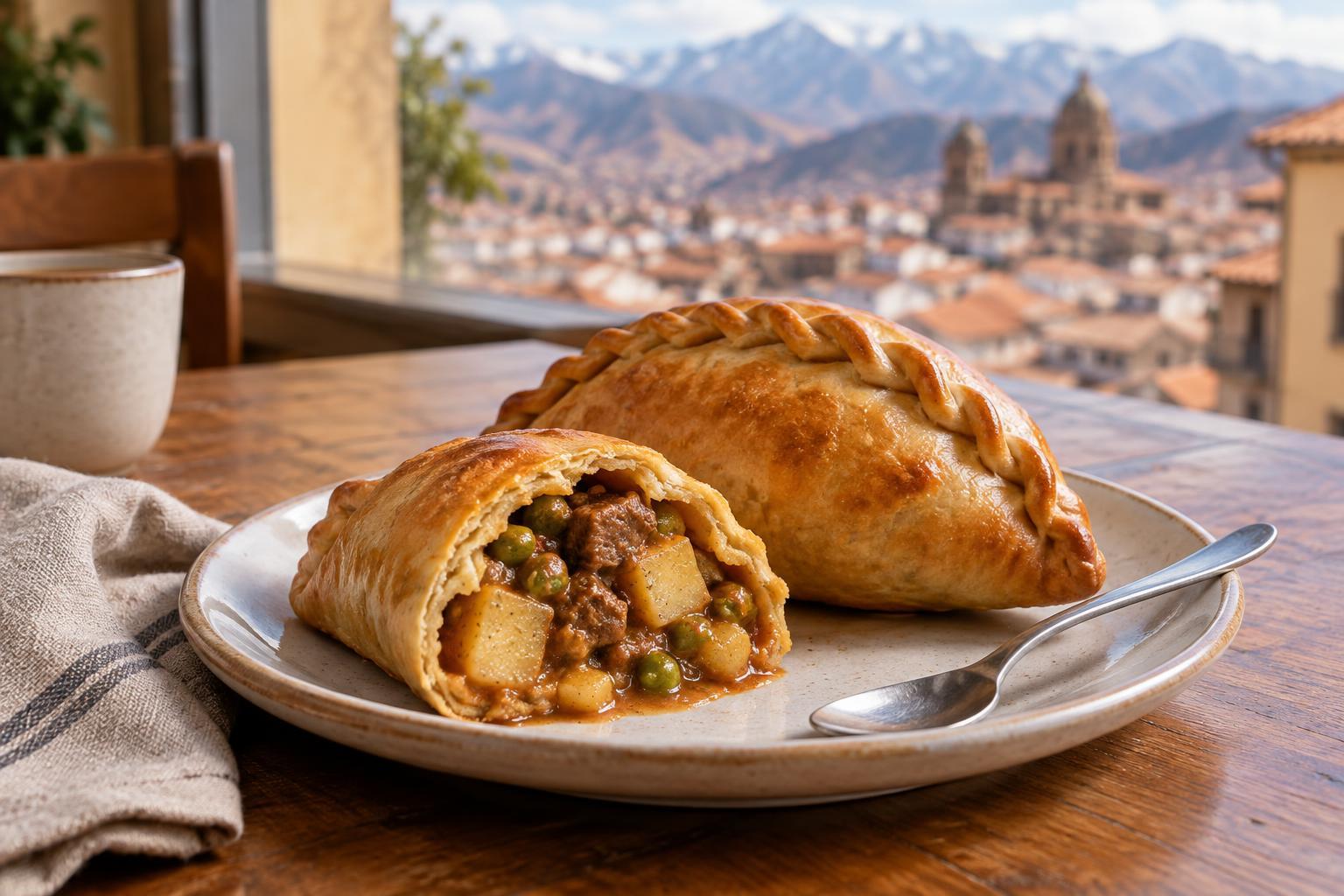
Food and TraditionsA salteña may look like an empanada, but its sweet-leaning pastry and generous, juicy filling make it a distinct Bolivian snack. Learn what to expect inside, why the seam sits on top, and how to enjoy one without losing the broth.
Read article · 4 min↗
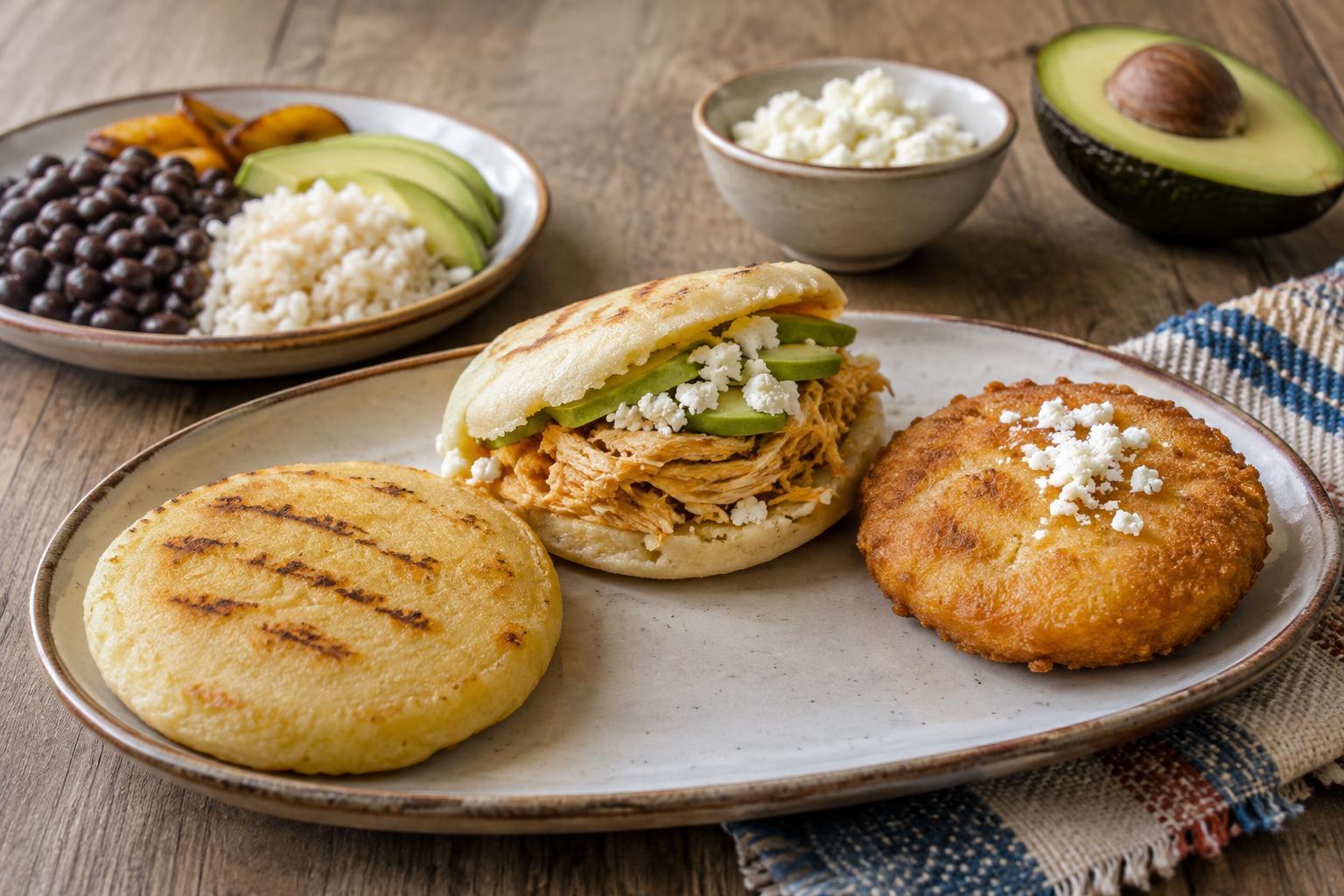
Food and TraditionsArepas take many forms across Colombia and Venezuela, from a simple corn cake served with a meal to a stuffed sandwich or a fried coastal snack. Here’s a practical guide to the styles, fillings and serving customs travelers may encounter.
Read article · 4 min↗
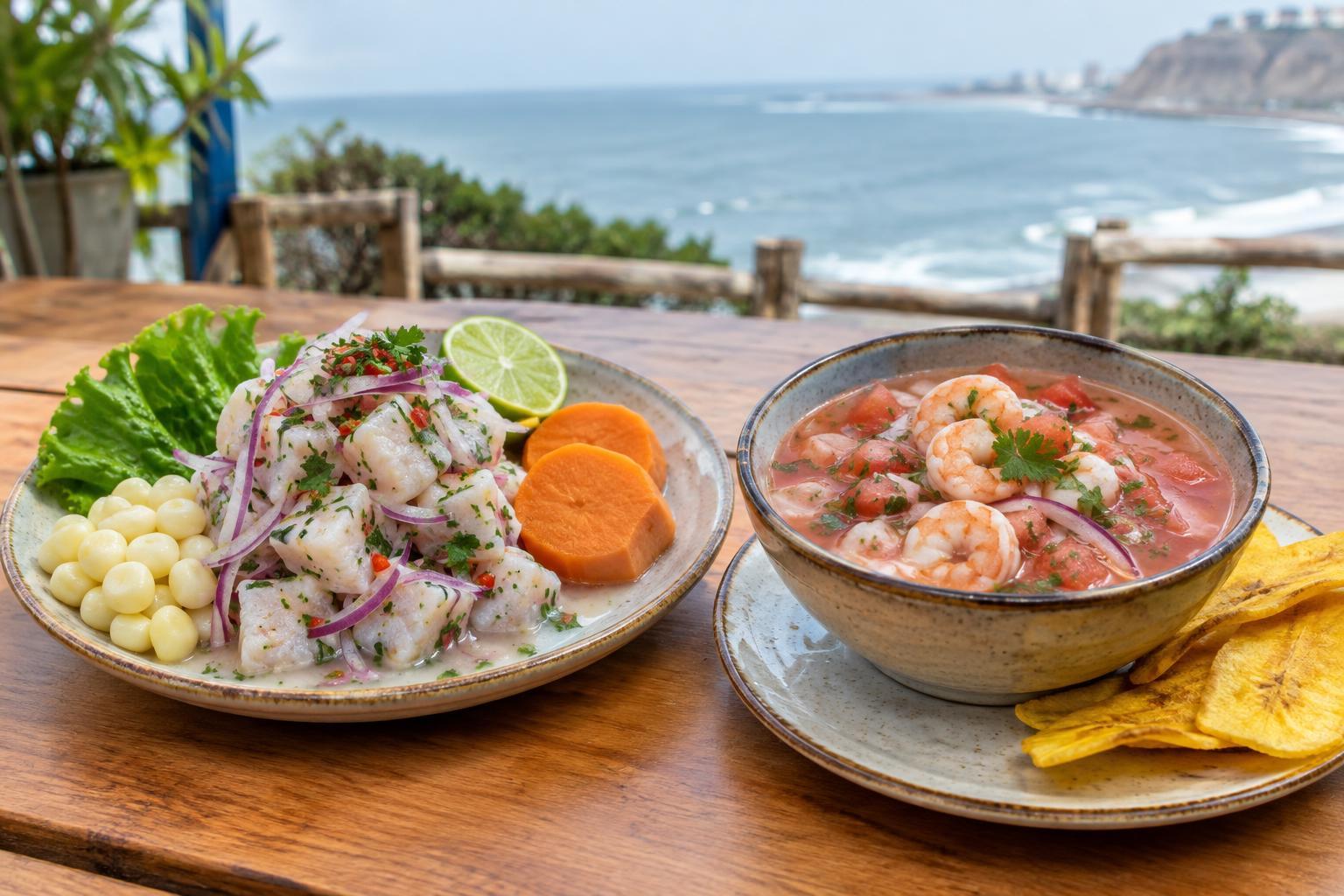
Food and TraditionsCeviche changes as you travel through Peru and Ecuador. Learn the common differences in ingredients and serving styles, what to look for when choosing a place to eat, and how to order a version that suits you.
Read article · 3 min↗
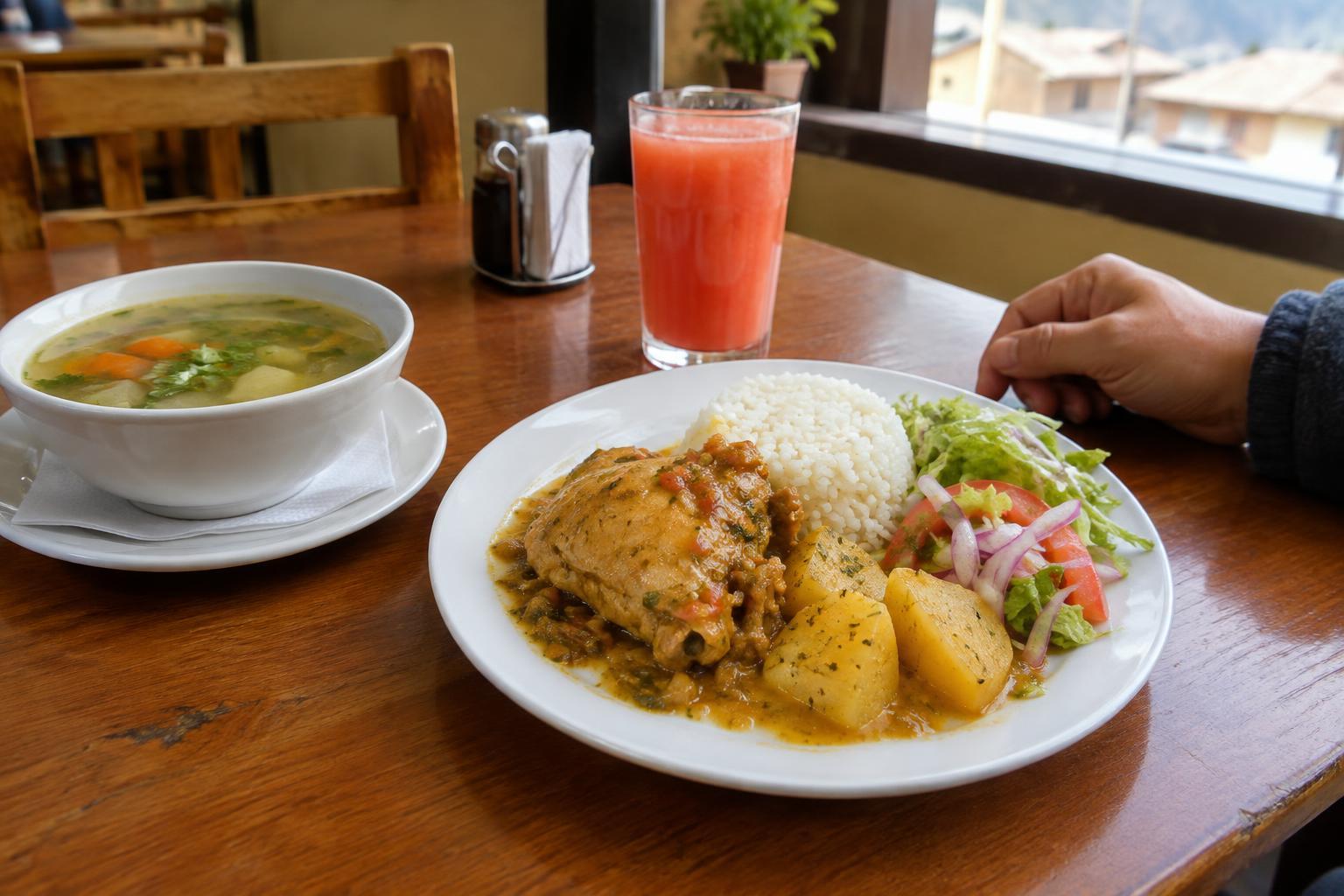
Food and TraditionsA menú del día can be a straightforward way to enjoy lunch in Peru. Learn what may be included, how to ask about the choices and price, and a few useful phrases for ordering with confidence.
Read article · 4 min↗
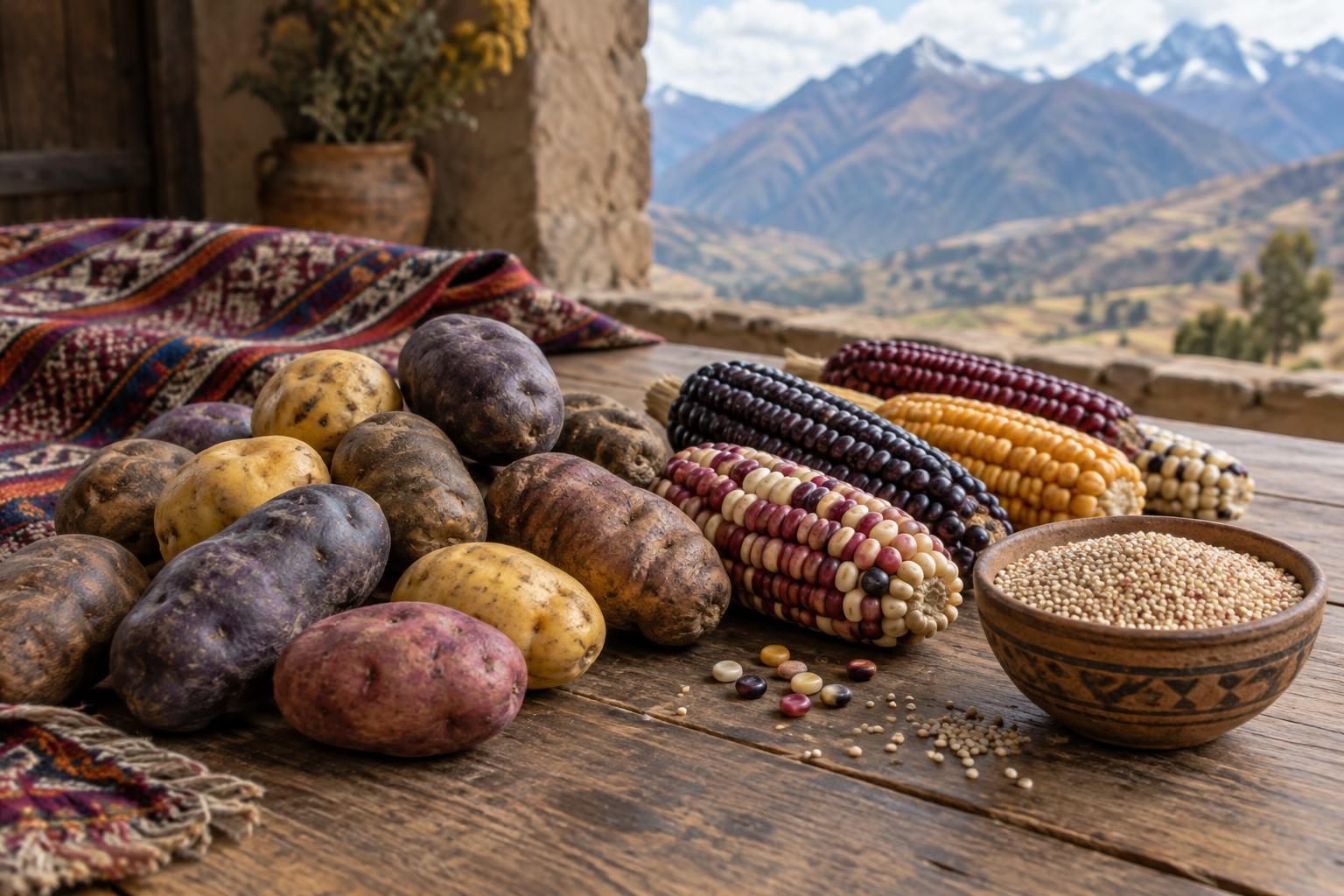
Food and TraditionsMaize, potatoes and quinoa appear in many Andean kitchens, but their uses vary from place to place. Learn how these staples are prepared, what to look for on a menu and how to approach unfamiliar dishes with curiosity.
Read article · 4 min↗