What does once mean?
In Chile, once is a late-afternoon or early-evening meal built around a hot drink, bread and something to put on it. The word means “eleven” in Spanish, but once is not a meal you need to schedule for 11 o’clock. It is usually pronounced roughly “ON-seh.” If someone says they are going to tomar once, they mean they are going to have this meal, not simply drink tea.
There is no single hour or fixed menu. One household may sit down for once after work or school; another may have it later and treat it as the main evening meal. On some days it is a quick cup of tea and a roll. On others, it is a longer chance to talk around the table. Thinking of once as a familiar daily rhythm, rather than a formal ceremony, helps make sense of its many forms.
What might be on the table?
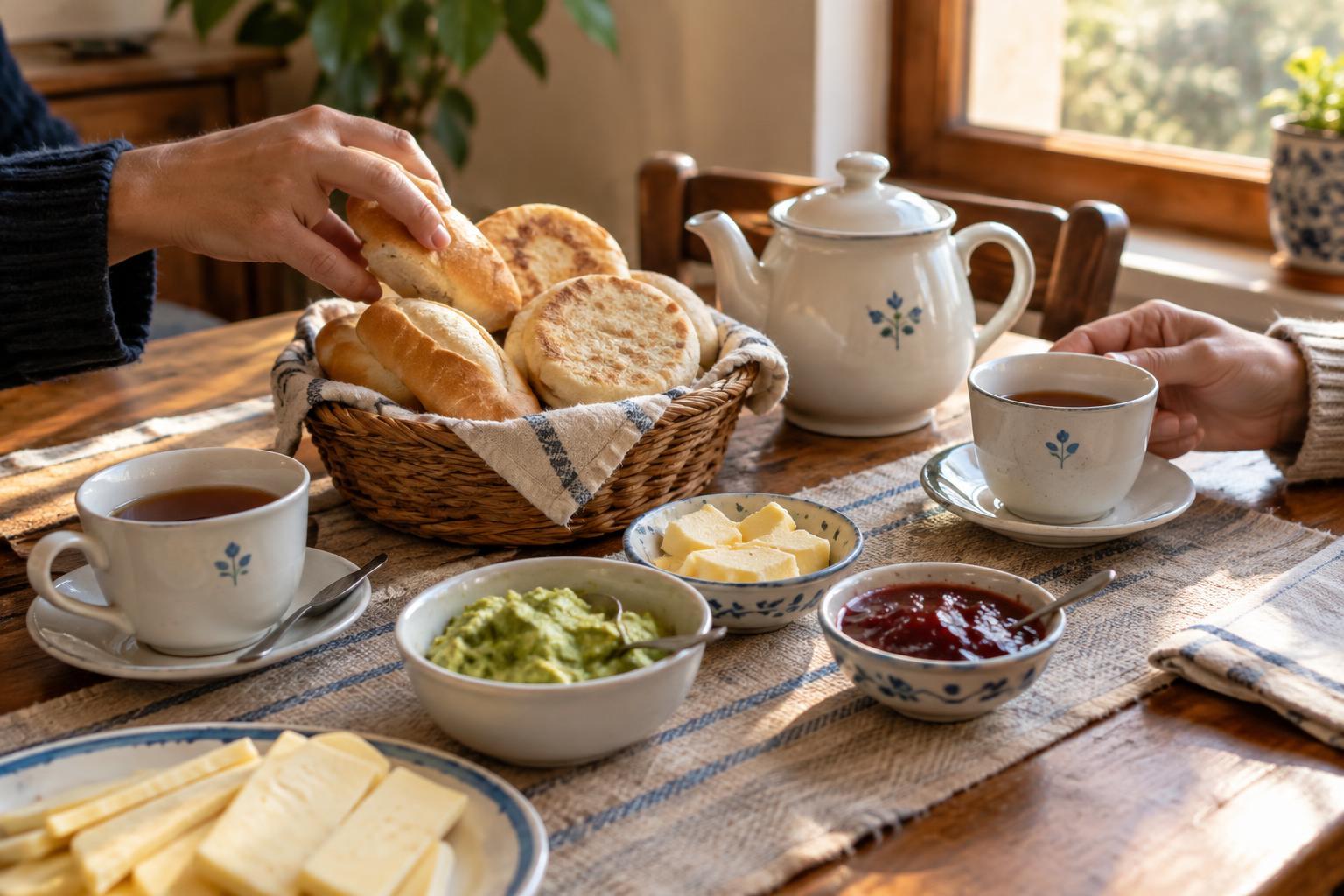
Tea is a familiar choice, often served alongside coffee or other drinks according to preference. Bread usually has a central place. You may encounter marraqueta, with its crisp crust and airy middle, or the softer, rounder hallulla. A basket of bread and a few simple fillings can turn once into a substantial meal.
Common additions include butter, cheese, jam, eggs, ham, manjar (a sweet milk-based spread) and palta, the Chilean word for avocado. Tomatoes or other fresh ingredients may appear too. What is served depends on the household, its budget, the season and what is already in the kitchen. A café’s once platter can be enjoyable, but it should not be mistaken for a standard menu followed in every Chilean home.
Once also illustrates how an ordinary loaf can anchor a meal without elaborate cooking. Bread might be split and filled, toasted, or passed around while people help themselves. The appealing part for a traveler is not a particular combination of toppings, but the ease with which a few shared foods create time to pause.
A meal shaped by the day
Once is sometimes described to visitors as Chilean afternoon tea. That comparison is useful as a starting point, but it can suggest something more decorative or uniform than the everyday meal often is. Once may be a snack between lunch and dinner, or it may replace a separate dinner altogether. It can be eaten with family, with friends or alone after a busy day.
Because routines differ, avoid assuming that everyone in Chile eats once daily or eats it in the same way. Work schedules, household preferences and regional habits all affect when and how people gather. If you are invited to someone’s home, the host’s version is the one that matters: a small spread is no less authentic than a table crowded with plates.
How to enjoy once as a visitor
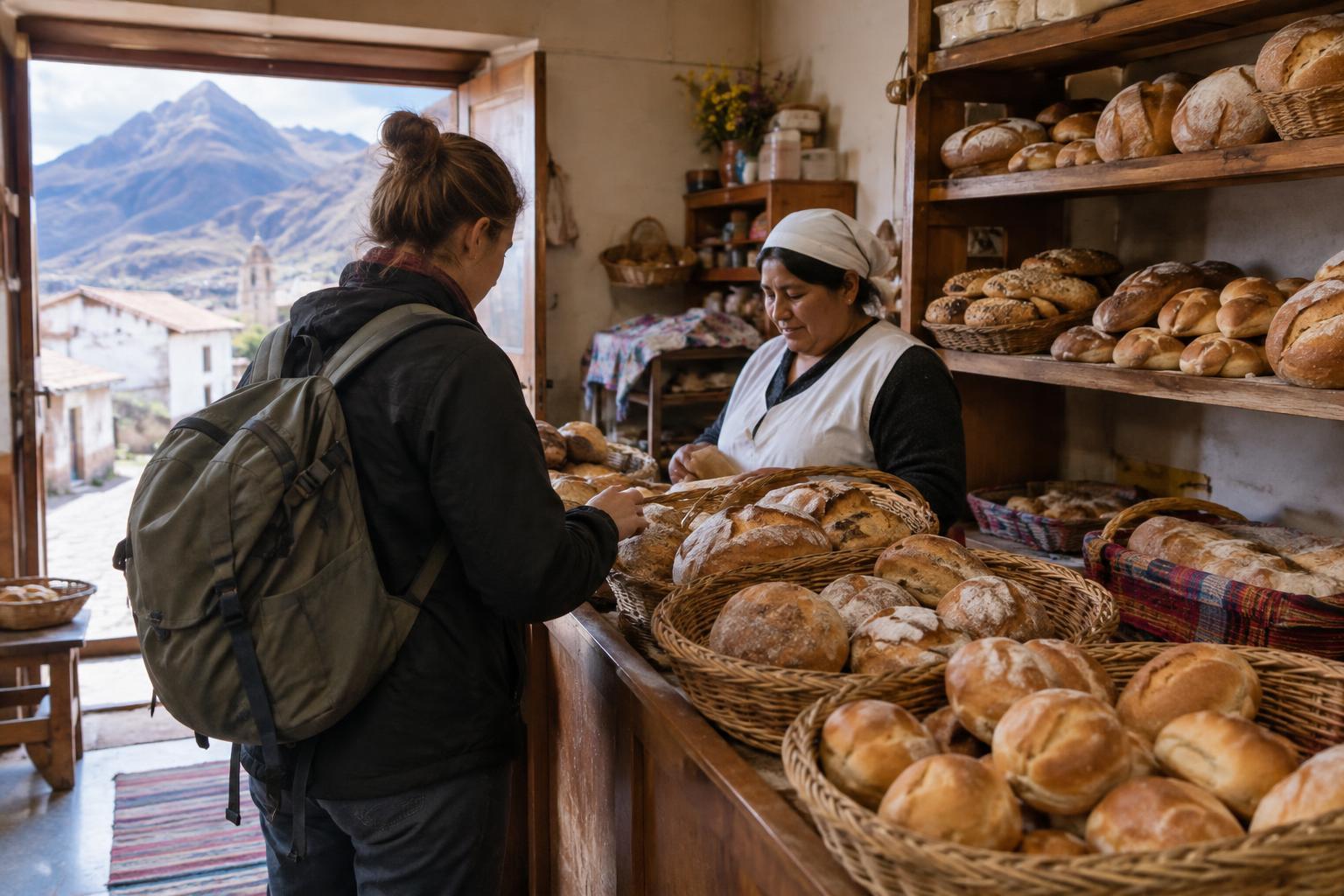
You do not need a home invitation to get a feel for once. A bakery or café can provide a simple introduction: order tea or coffee with fresh bread and a filling that interests you. If you are buying food for yourself, a bread roll, palta and cheese make an easy combination. Opening hours and menus vary, so treat once as a style of meal rather than a reservation you must make at a particular time.
If you are invited to share once, follow your host’s lead. Ask before bringing food, accept what you would like, and be straightforward about dietary needs rather than expecting the table to accommodate them automatically. In a café, trying a familiar spread as well as a new one can be just as rewarding as seeking a special set menu.
Food traditions are easiest to appreciate when there is room for personal variation. A question such as “What do you usually have for once?” invites a story without asking one person to speak for a whole country. Whether it lasts ten minutes or stretches into an evening conversation, once offers a practical reminder that a simple meal can also be a welcome break in the day.