Food for a time of remembrance
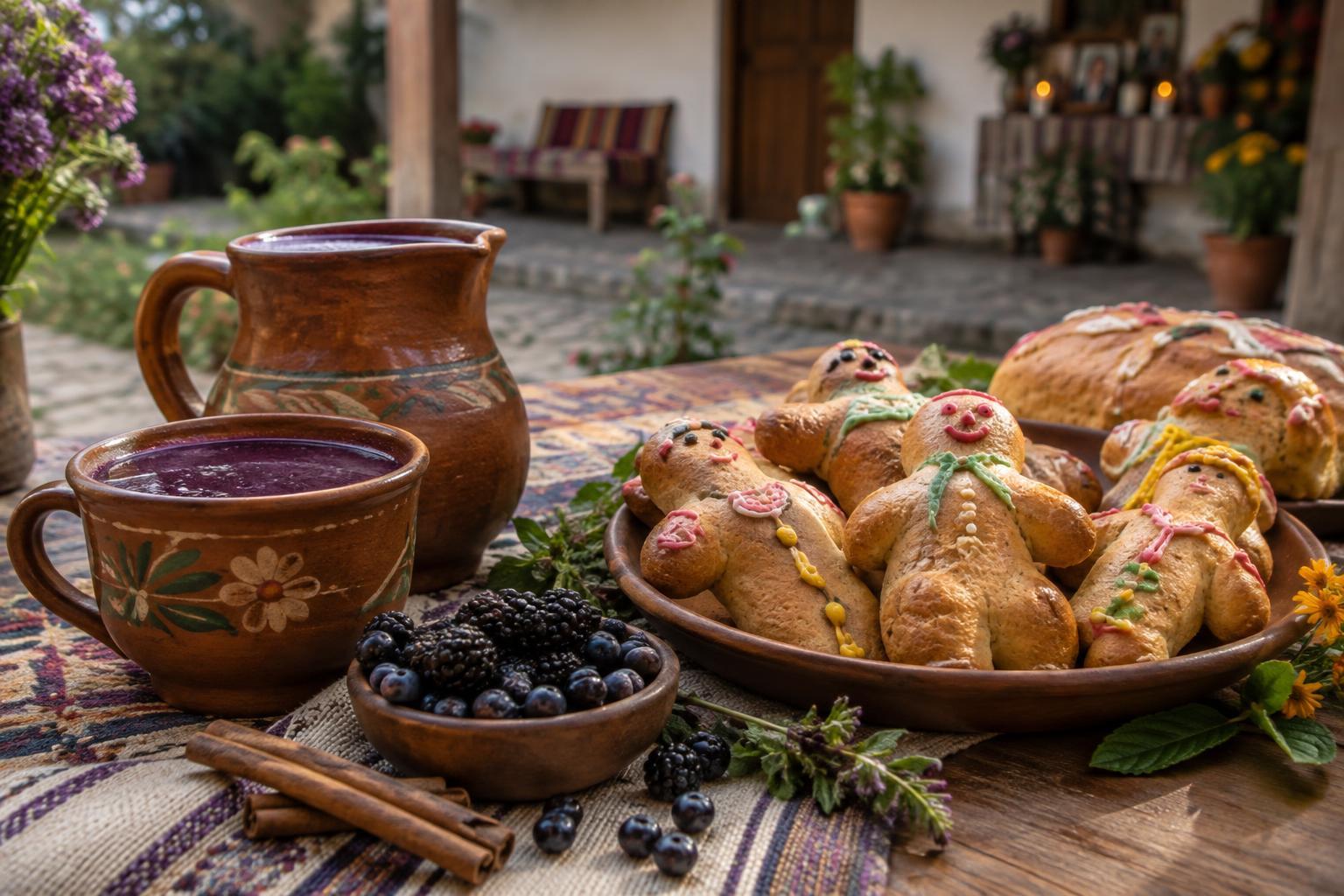
In Ecuador, the days around 2 November, known as Día de los Difuntos or the Day of the Dead, are a time for many families to remember relatives and friends who have died. Two foods are especially associated with this period: colada morada, a thick purple fruit drink, and guaguas de pan, decorated breads often shaped like small figures. They may be served at home, bought from a bakery or shared during a family gathering.
There is no single way to observe the day. Some people visit cemeteries and bring food to share; others mark it more privately. Customs differ between regions, communities and households, and they can bring together Indigenous traditions and Catholic observances in different ways. For a traveler, the foods offer an approachable introduction, but their importance extends beyond what is on the plate.
What goes into colada morada?
Colada morada is usually served warm or at room temperature. Its deep color and thick texture come from a mixture that commonly includes purple corn flour, fruit and spices. Recipes vary, but ingredients may include Andean berries such as mortiño, along with pineapple, other fruits, cinnamon and aromatic herbs. The result can be sweet, tart and gently spiced rather than tasting like a conventional fruit juice.
Making it can be a shared task: fruit is prepared, spices are steeped, and the mixture is stirred as it thickens. A household recipe might be adjusted to suit the fruit available or a family’s preferred balance of sweetness and acidity. A bakery or café version may taste quite different from one made at home. Rather than looking for the one “authentic” recipe, it is more useful to notice how much room the tradition leaves for personal and regional variation.
Why are the breads shaped like figures?
Guagua is a word used in parts of the Andes for a baby or young child, and the familiar guagua de pan is a bread shaped and decorated to suggest a small person. Bakers may add colored icing or dough details for faces and clothing. Some versions are plain; others have sweet fillings. Shapes, sizes and flavors differ, so a display of guaguas de pan can be as much an expression of a baker’s style as a fixed template.
The figures are often discussed in connection with remembrance and family, but it is best not to assign one meaning to every bread or assume everyone who eats one observes the day in the same way. For some, buying or making them is part of a deeply felt family occasion. For others, it may simply be a seasonal custom they grew up with. Eaten alongside colada morada, the bread also provides a pleasant contrast to the drink’s fruit and spice.
How to try them as a visitor
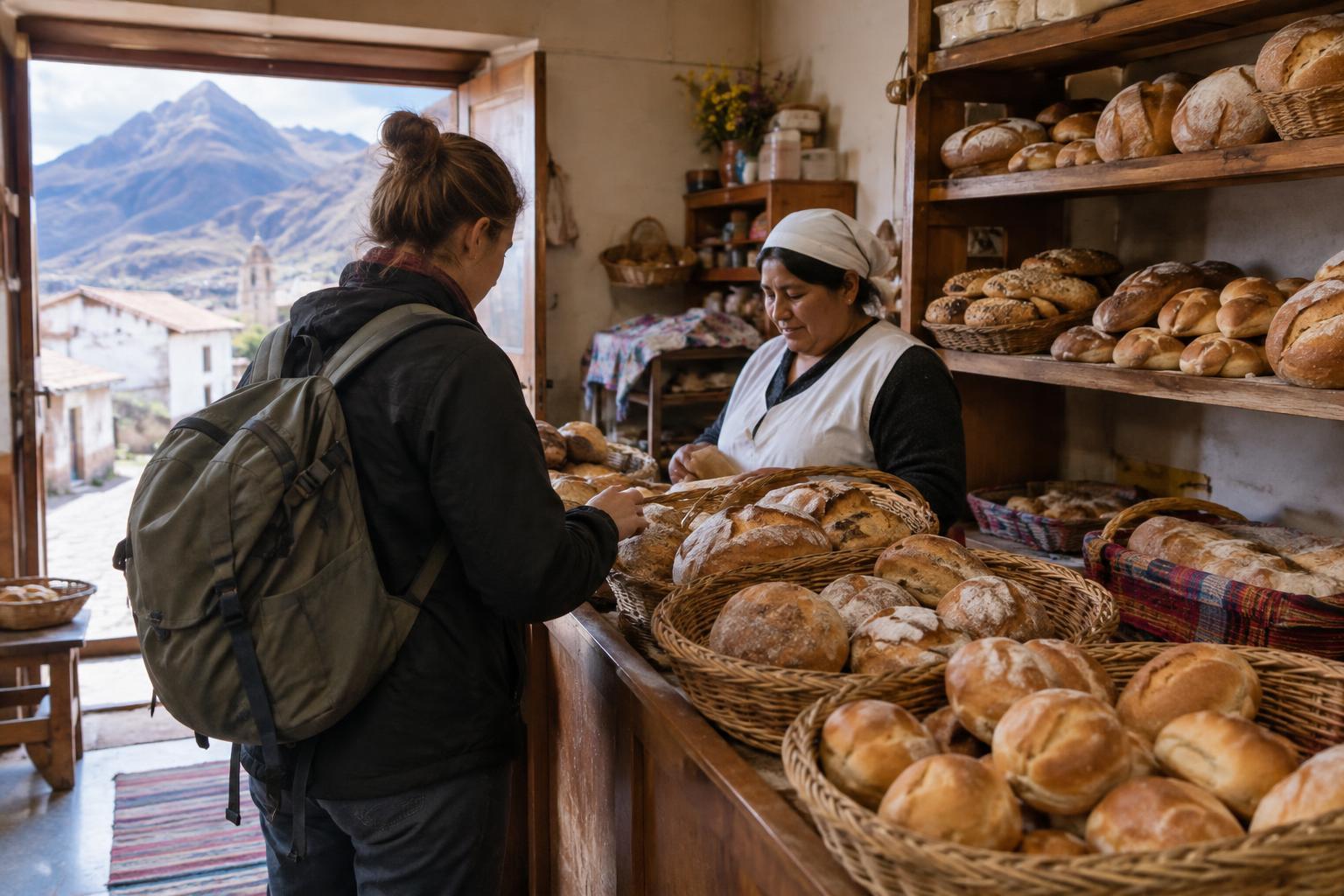
If you are traveling in Ecuador around the observance, you may see colada morada and guaguas de pan advertised at bakeries, markets and cafés. Ask what is in a particular batch if you have allergies or dietary requirements: breads can contain ingredients such as wheat, dairy or eggs, and fillings vary. The drink is typically prepared with water rather than treated as a standard bottled beverage, so its ingredients and consistency also depend on who makes it.
Buying from a local bakery is a straightforward way to try the pairing. If you are invited to share a homemade version, follow your host’s lead on when and how it is served. A question about an ingredient or a family recipe is usually more considerate than asking someone to explain an entire culture. Bear in mind that what is a travel discovery for you may be tied to personal memories for the person serving it.
Respecting the occasion beyond the table
Cemetery visits during this period can include quiet reflection as well as conversation and shared food. If you happen to be nearby, treat a cemetery as a place where people are gathering for their own reasons, not as a visitor attraction. Keep a respectful distance from families, avoid blocking paths and ask permission before photographing anyone or their offerings. When in doubt, put the camera away.
Colada morada and guaguas de pan are worth seeking out for their flavors, but tasting them is only one way to engage. Learning their names, accepting that recipes and meanings vary, and giving people space to observe the day on their own terms makes for a more thoughtful encounter. The pairing is memorable not because it unlocks a single explanation of Ecuador, but because food can carry family habits, care and remembrance from one gathering to the next.