Start with the town, not the trailhead
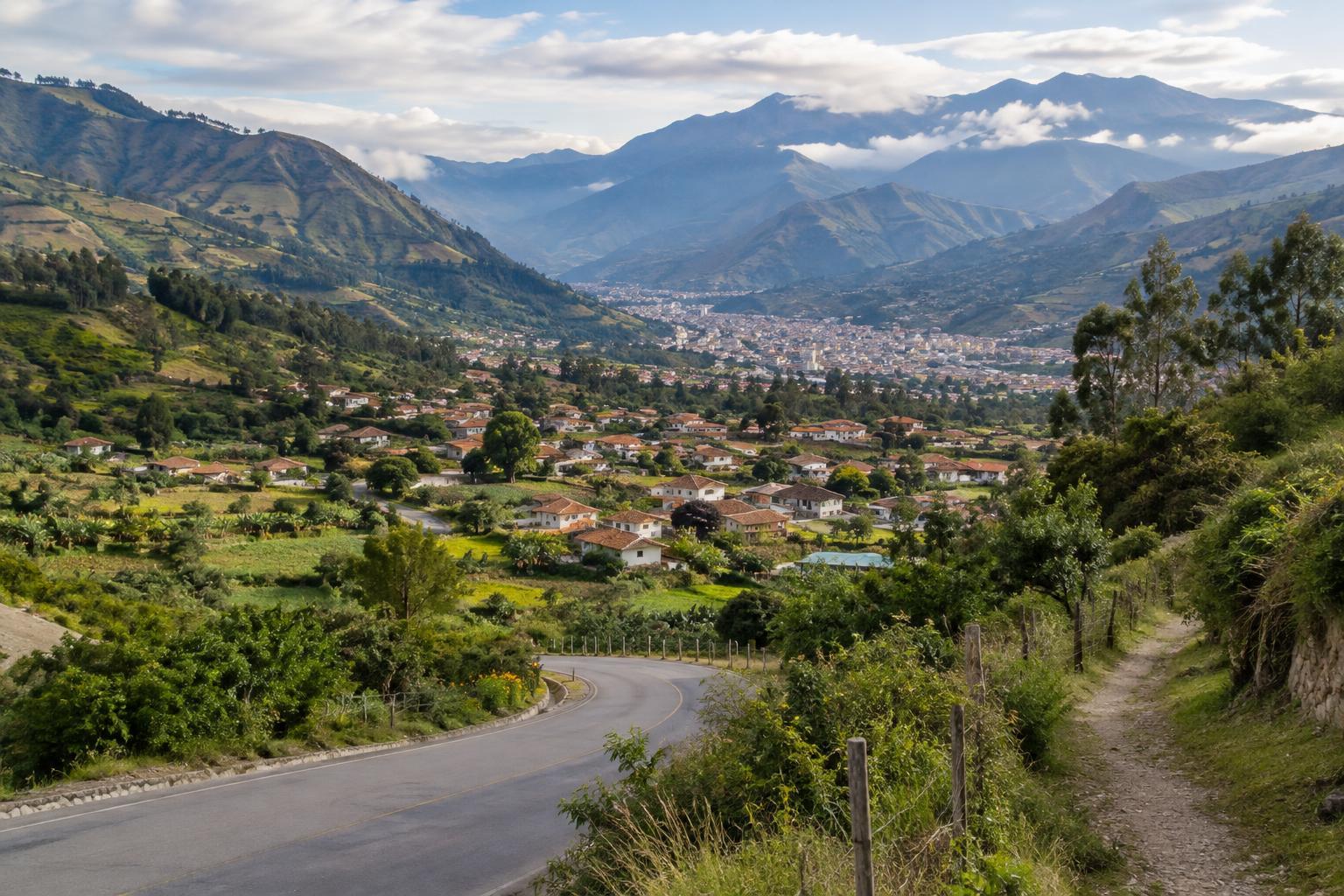
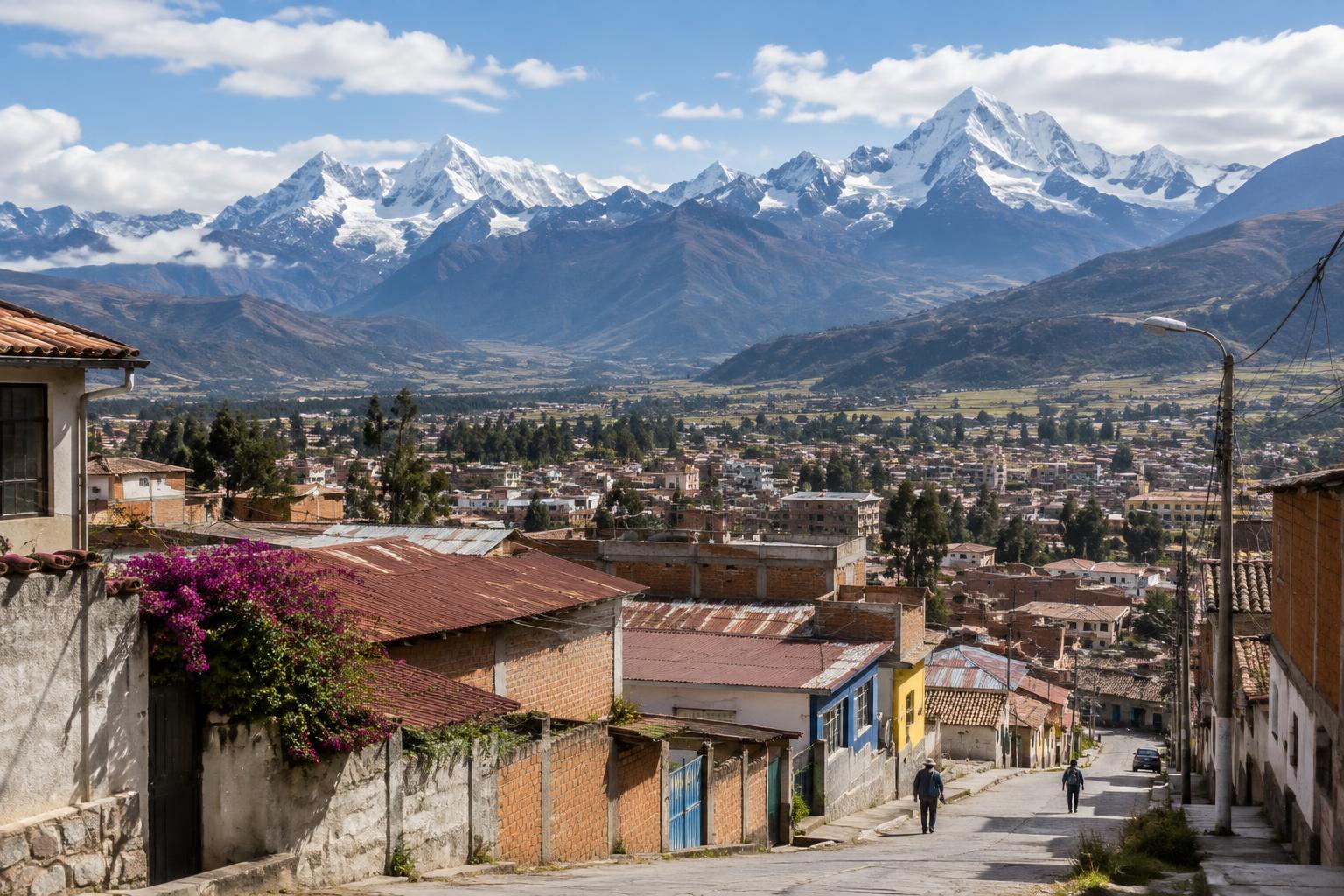
Huaraz is a city in Peru’s Áncash region and a common base for trips into the surrounding mountains. It sits in the Santa River valley at roughly 3,000 metres above sea level. You will find places to stay, markets, restaurants, transport and outdoor-equipment services here. It is useful to think of Huaraz as a working city where people live their daily lives, rather than as a mountain resort built solely for visitors.
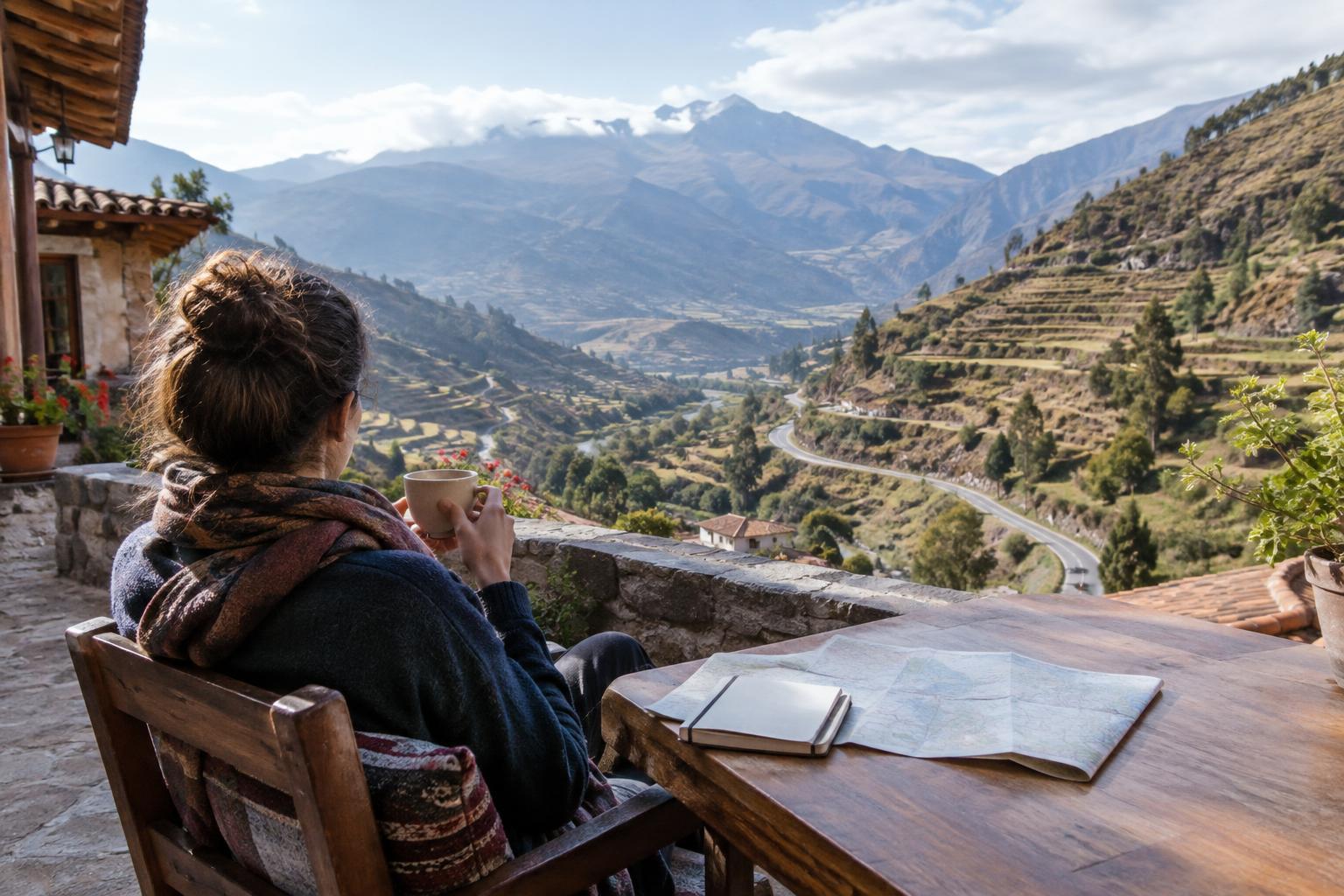
A first day in town can help you get your bearings. Find out where your accommodation is in relation to the centre, ask how to reach the departure point for your next outing, and leave time to buy water and any supplies you need. Mountain destinations that look nearby on a map may require a substantial road journey before a walk even begins. When comparing trips, ask about the full day: driving time, walking time, trail conditions and the expected return.
The two mountain ranges on either side
The Cordillera Blanca lies to the east of the Santa River valley. Its high, often snow-covered peaks and glacial lakes feature in many of the best-known excursions from Huaraz. Parts of this landscape fall within Huascarán National Park. Routes range from short visits to viewpoints and lakes to demanding hikes and multi-day treks; a familiar destination name does not, by itself, tell you how strenuous a particular trip will be.
To the west is the Cordillera Negra. It generally has a different appearance, without the same extensive snow cover, and offers perspectives back towards the Cordillera Blanca. For a beginner, this distinction is a helpful way to read a map: the town sits between two ranges, while individual valleys and trailheads branch away from it. A walk on the western side can be rewarding without trying to reach a famous high-altitude lake.
Make sense of the places you keep hearing about
The Llanganuco lakes are reached through a valley north of Huaraz, near Yungay. They are often part of a road-based excursion with opportunities to stop and take in the scenery. Laguna 69 is another well-known destination in that broader area, but it involves a significant walk at high elevation. Treat the two as different kinds of day out, even if they appear together in trip descriptions.
You may also see references to Wilcacocha, a walk on the Cordillera Negra side known for views across the valley when conditions are clear. Farther-afield mountain areas and trek starting points may be advertised from Huaraz too. Rather than trying to collect destinations, choose outings by the experience you want: a gradual introduction, a long day on foot, or a multi-day route. Confirm current access, transport arrangements and any park requirements before setting off.
Allow room for altitude and changing conditions
Huaraz itself is high, and many excursions climb considerably higher. If you have arrived from a lower elevation, a gentle start gives you time to see how you feel before committing to a strenuous walk. Keep plans flexible, pace yourself and take symptoms of altitude illness seriously. If you feel unwell, do not push on simply to reach a destination; seek appropriate help.
Weather can also alter the character of a day. The region generally has a drier part of the year and a wetter part, but mountain conditions vary, and clouds or rain can affect views and paths at any time. Bring layers and rain protection, check the forecast where possible, and ask locally about the condition of your intended route. For a long hike, make sure the transport plan leaves enough daylight for the walk and the return.
Visit as a guest, not just a spectator
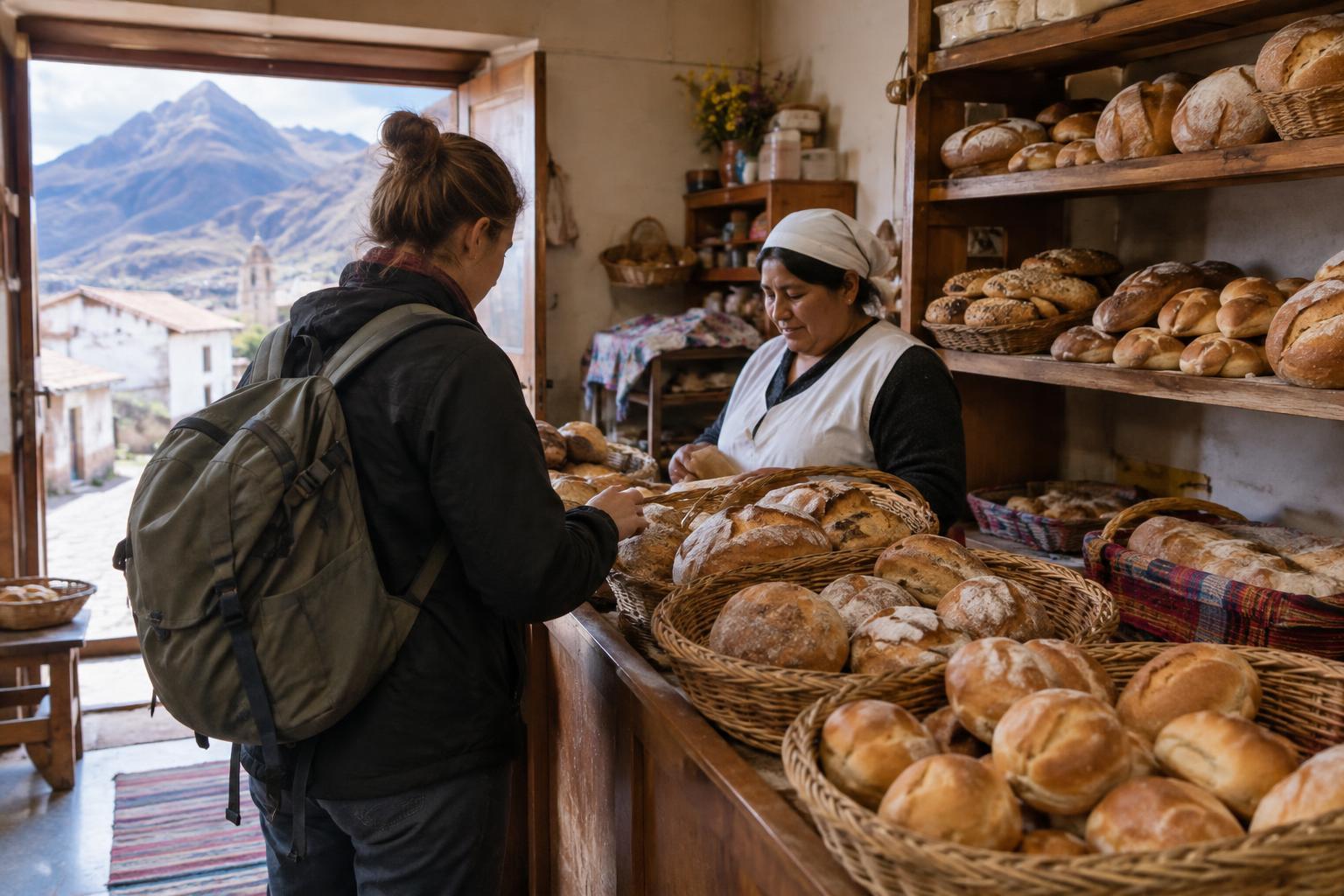
A trip based in Huaraz often passes through towns, villages and agricultural areas as well as dramatic scenery. Buy from local businesses when it suits your needs, follow signs and access rules, and ask before photographing people. Stay on established paths where possible, carry out your rubbish and avoid treating farmland or homes as shortcuts to a viewpoint.
For your first visit, a balanced plan might pair time in the city with one easier outing before a bigger mountain day. That leaves space to appreciate the valley itself, understand the distances involved and change course if conditions are unsuitable. Huaraz offers many possibilities; you do not need to attempt its most demanding route to begin discovering the area.