Decide whether a photograph is yours to take
A colourful market stall, a family gathering beside a walking route or a striking item of traditional clothing may catch your eye. Before raising your camera, remember that the people in the scene are going about their lives, not providing a backdrop for visitors. Being in a public place does not mean someone welcomes a close-up photograph. If a person is recognisable or is the main subject, ask first.
This applies whether you use a large camera or a phone. A discreet device does not make a photograph less personal. If asking would interrupt work, a conversation or a private moment, consider putting the camera away. You can still remember a place through notes, a sketch or a photograph of a wider scene that does not single anyone out.
Make your request easy to answer
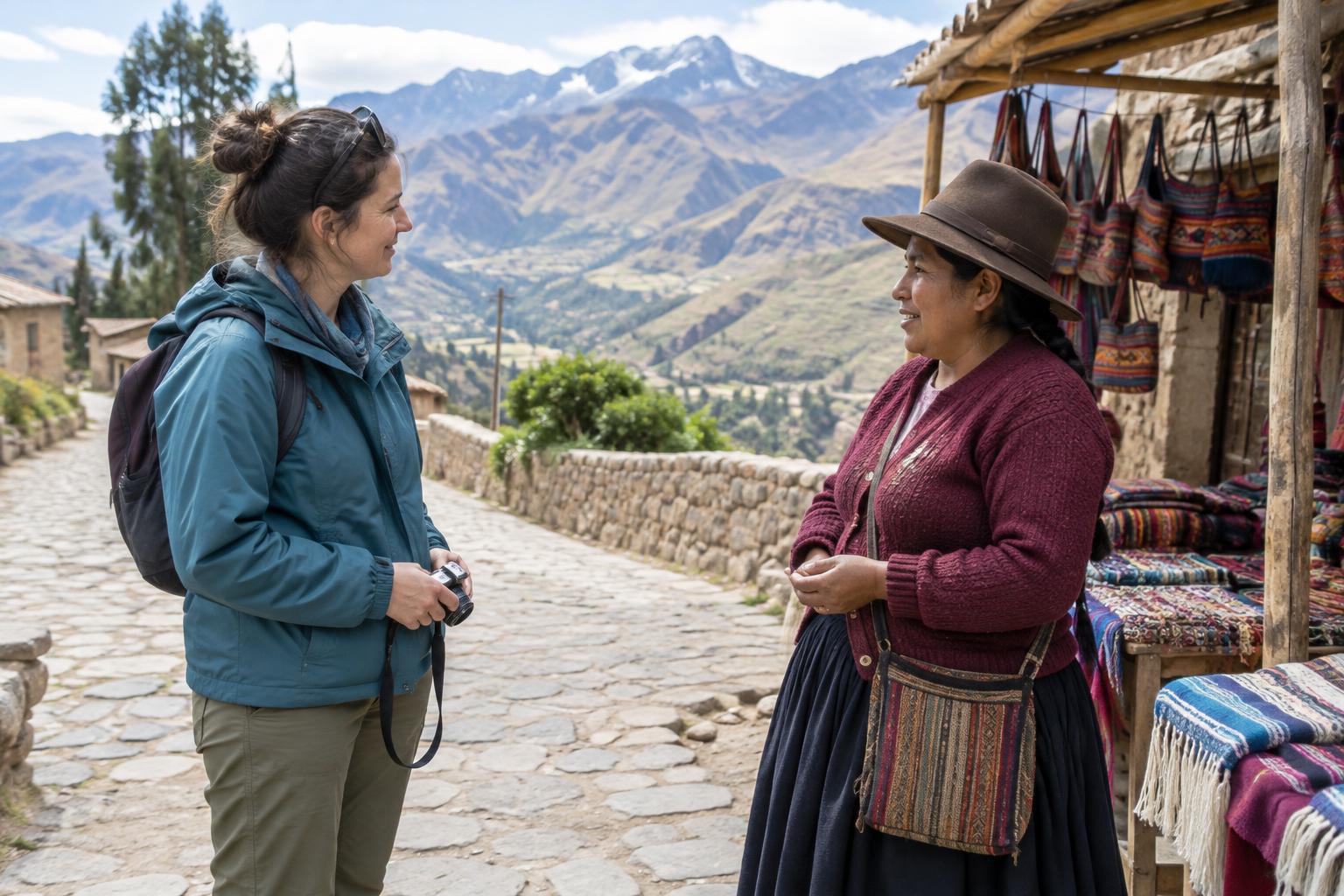
Approach calmly, leave comfortable space and ask before pointing a lens at someone. If you do not share a language, a simple question and a gesture toward the camera may help, but do not treat an uncertain smile as permission. Learn a few useful words in the language commonly spoken where you are travelling, while recognising that language preferences vary between places and individuals.
A person should be able to say no without having to explain. A shake of the head, turning away or continuing without engaging is enough reason to stop. Thank them and move on; do not try again from a distance. If someone agrees, take a small number of photographs rather than prolonging the encounter. Showing the image afterwards can be a friendly gesture, but it does not replace asking beforehand.
Treat markets and celebrations as lived spaces
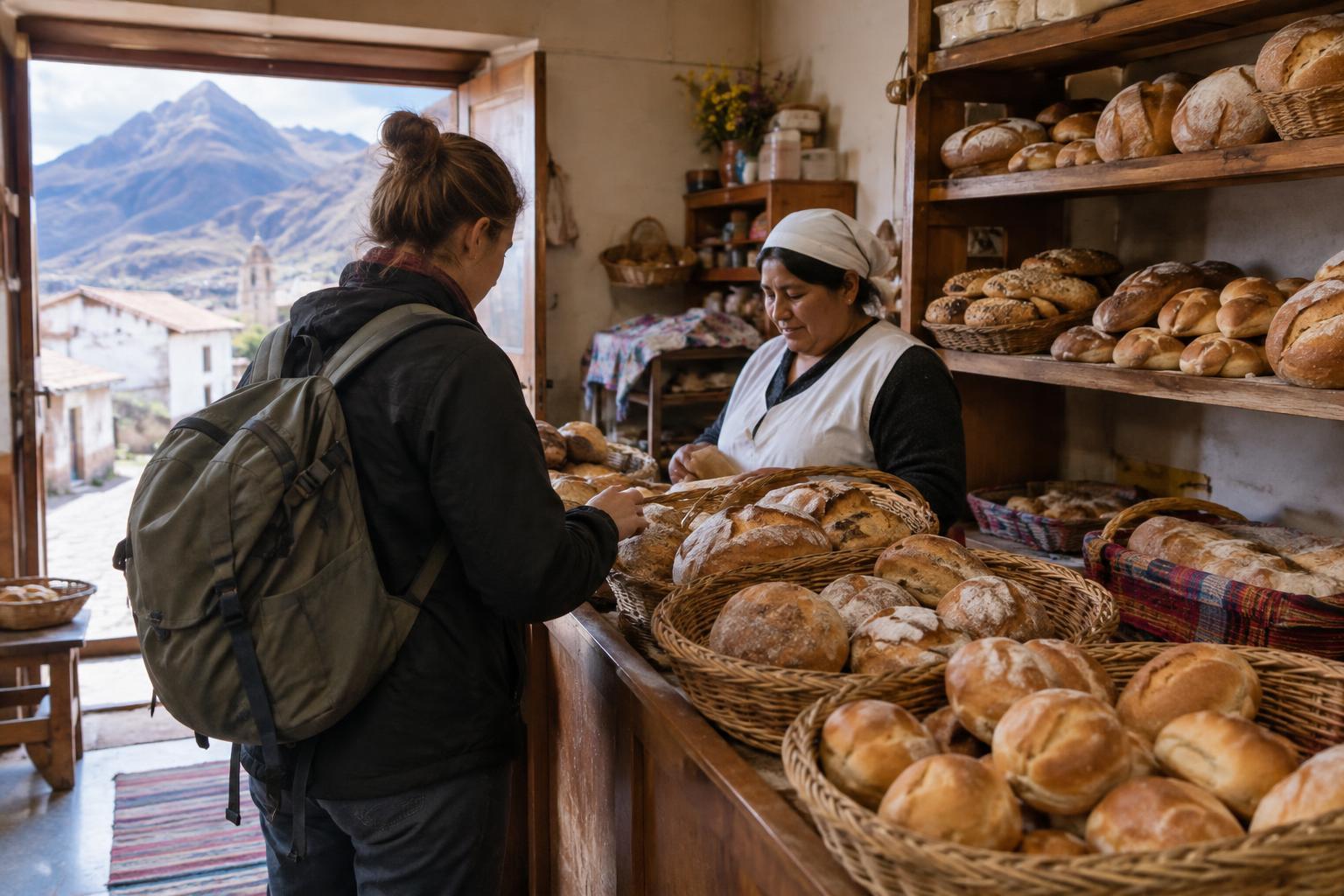
Markets are workplaces as well as places visitors may enjoy exploring. A vendor may be happy to discuss their goods but not want their face photographed. Ask separately if you want a portrait, and avoid blocking customers or handling items only to arrange a picture. If photography is offered as part of an activity for a stated price, clarify what that price covers before taking the photograph. Do not assume the same arrangement applies to everyone nearby.
At festivals and other gatherings, follow any posted guidance and listen to organisers or participants. Some moments may be open for visitors to watch while others call for more distance or no cameras at all. Customs differ, and a welcome to attend is not automatically permission to photograph every part of an event. When you are unsure, observing without recording is a sound choice.
Take extra care with children and private settings
Avoid making children the focus of travel photographs simply because a scene feels charming. A child may be willing to pose without understanding where an image could later appear. If there is a genuine reason to take a photograph, seek permission from an appropriate parent or caregiver as well as considering the child’s response. If either seems uncomfortable, do not take it.
Permission to enter a home, workshop or place of worship is not permission to photograph inside it. Ask about photographs separately, and respect any areas or objects you are asked not to record. The same care applies when a guide introduces you to someone: the introduction can help you communicate, but it does not make consent automatic.
Think again before you post
Consent to take a photograph is not necessarily consent to publish it online. Before sharing a recognisable portrait, consider whether you explained how you might use it. If you did not, keep it private or ask again if you have an appropriate way to do so. Avoid captions that guess at someone’s name, circumstances, beliefs or feelings. A photograph shows a moment, not a full account of a person’s life.
Location details deserve care too. Tagging a small gathering place or someone’s home can bring attention they never sought. Check the background for people who did not agree to appear, and crop or leave out an image when that is the kinder option. Thoughtful travel photography is not about returning with fewer memories. It is about giving the people in those memories a meaningful choice.