Three walks, three different priorities
Choosing a trek near Cusco is about more than picking a route to Machu Picchu. The classic Inca Trail appeals to walkers who want an archaeological route and an arrival on foot at the site. Salkantay puts dramatic mountain scenery at the centre of the journey. Lares is a name for several routes through highland valleys, where village life and working landscapes may be more prominent than ruins.
All three demand preparation. Days can involve long climbs, uneven ground, strong sun and cold conditions at altitude. Their character also depends on the particular itinerary, season and operator. Before comparing advertised distances or difficulty ratings, look at each day’s ascent, sleeping altitude, transport arrangements and the point where the walking actually ends.
The Inca Trail: stone paths and archaeological sites
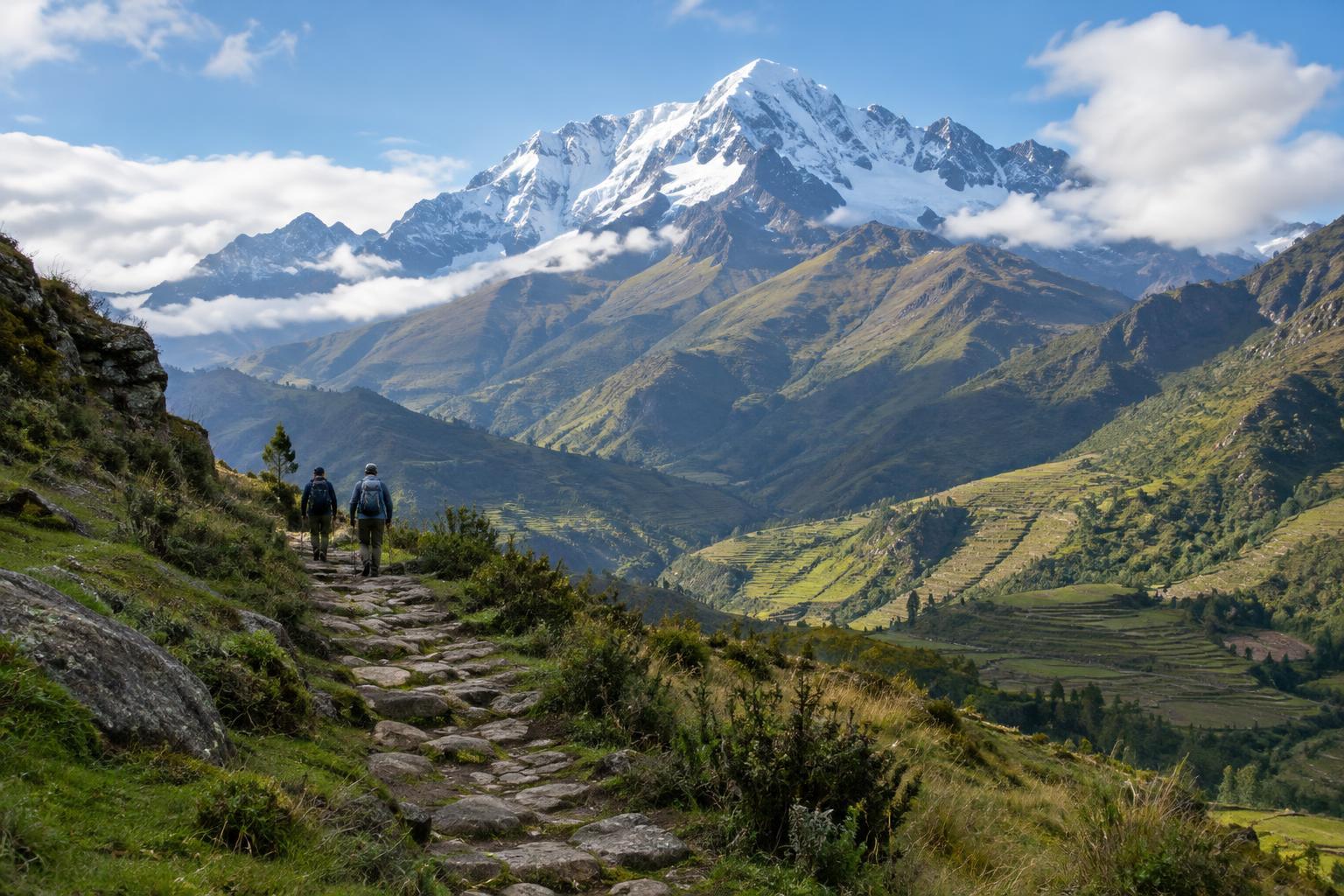
The classic Inca Trail follows sections of historic stone pathway and passes archaeological sites along the way. Its appeal lies in the combination: a sustained walk, changing mountain and cloud-forest landscapes, and a route that approaches Machu Picchu on foot. For travelers especially interested in the relationship between paths and Inca-built places, it offers an experience the other two treks do not replicate.
It is also the least flexible of the three choices. Access is regulated, places are limited, and walkers generally need to travel with an authorized operator. Rules and entry arrangements can change, so confirm what your booking includes rather than assuming that a trail reservation covers every Machu Picchu visit you hope to make. Expect to share the established route and camps with other groups.
Stone steps can be hard on knees, particularly on descents, and the route offers little scope to shorten a difficult day. Choose it if the historic path is your main reason for trekking, and if you are comfortable committing to a set itinerary well ahead of travel.
Salkantay: mountain drama and varied terrain
Salkantay itineraries typically cross a high mountain pass beneath imposing peaks before descending toward greener valleys. That shift in terrain is the route’s defining pleasure. It may suit walkers who would rather spend their days looking across broad landscapes than concentrating on archaeological stops.
The high crossing can be demanding even for people who walk regularly at home. Weather may change quickly, and a steep ascent at altitude can feel very different from a similar climb at sea level. Some itineraries include substantial road sections or use transport to connect stages, while others keep more of the journey on foot. Ask for a day-by-day route description if uninterrupted walking matters to you.
Salkantay is often paired with a subsequent visit to Machu Picchu, but it does not follow the classic Inca Trail entrance. Check how you will reach the site, which entry arrangements are included and where the trek finishes. It is a strong choice when varied scenery is the priority, provided you are ready for the effort of a high pass.
Lares: valleys, settlements and a less fixed route
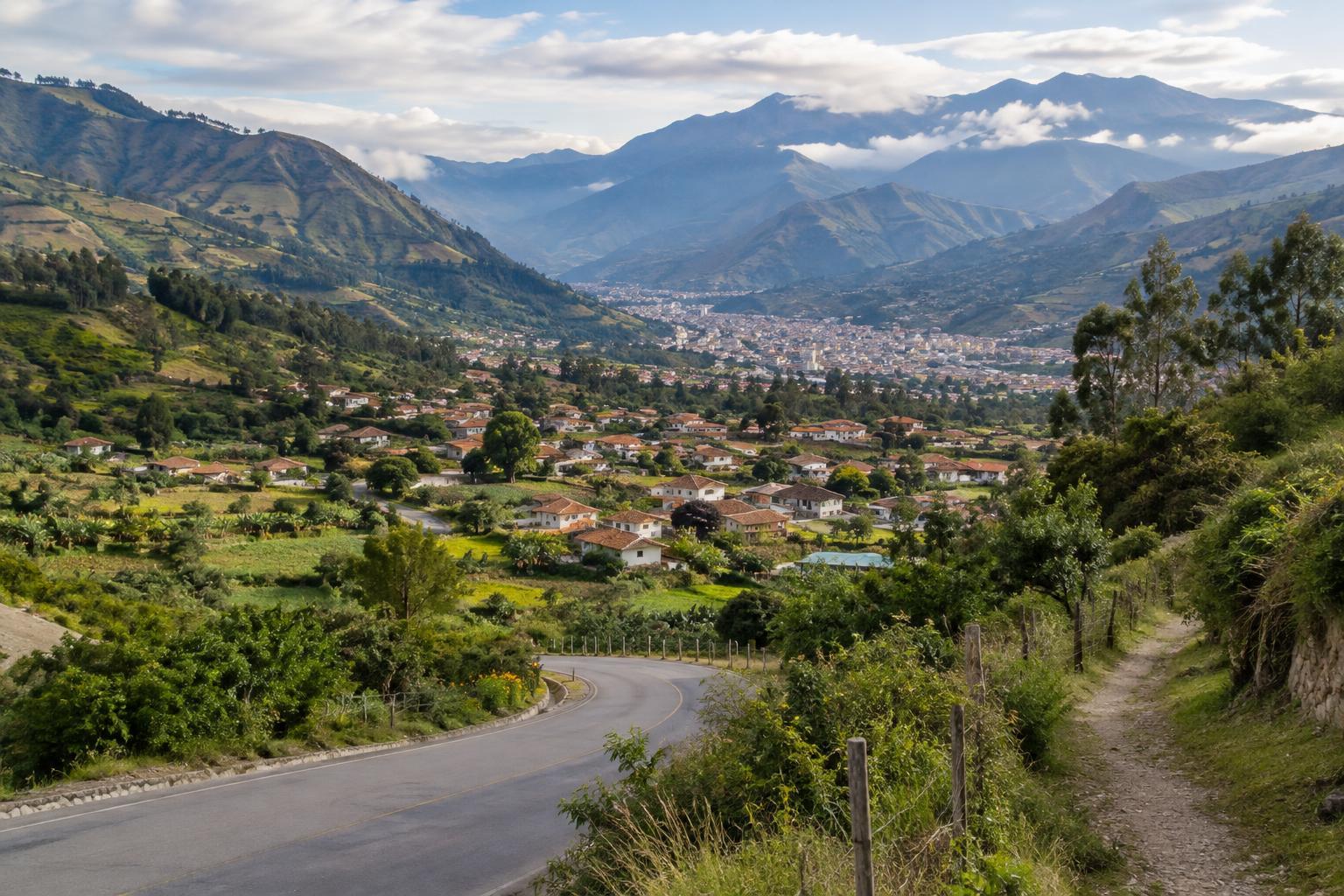
Lares is not one standard trail. Routes can begin and end in different places, cross different passes and spend varying amounts of time near settlements. Many pass through landscapes used for farming and herding. For a walker, the appeal can be a closer view of everyday highland environments rather than a sequence of famous landmarks.
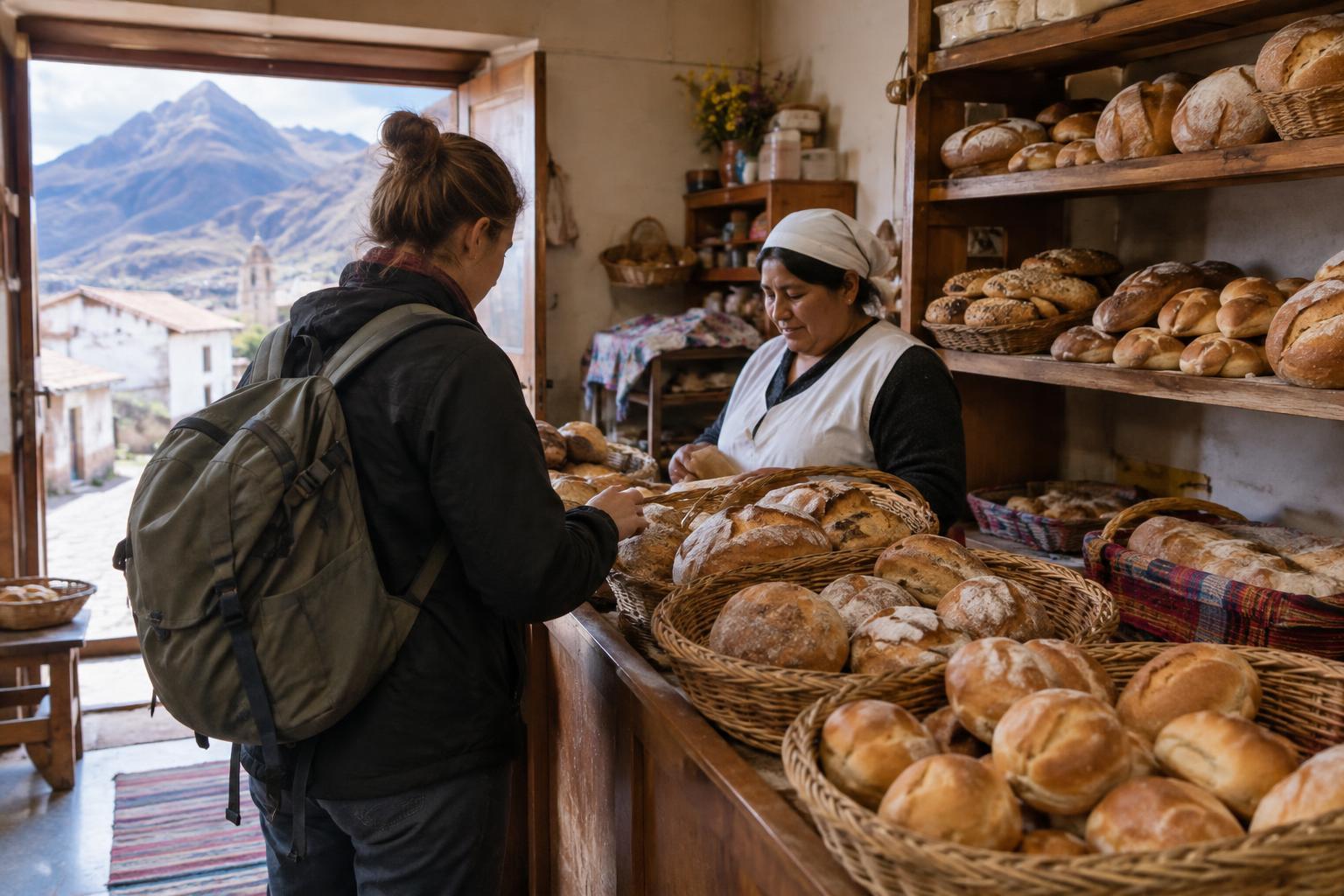
That does not make a community a sightseeing attraction. Stay on agreed paths, ask before photographing people, and treat opportunities to buy food or textiles as ordinary exchanges rather than obligations. A thoughtful guide can help explain local context, but no brief visit gives a complete picture of a place or its residents.
Lares routes can still be strenuous, with high passes and cold nights. Many itineraries connect to Machu Picchu later by road and rail rather than walking directly into the site. Because the name covers several walks, compare the actual route and its altitude profile before booking. Lares may suit you if you value quieter-feeling paths and are open to a journey without a single iconic finish.
How to choose and prepare
Start with the experience you would most regret missing. Choose the Inca Trail for its historic path and on-foot approach to Machu Picchu; consider Salkantay for a high mountain crossing and contrasting landscapes; look closely at Lares itineraries for valley walking and opportunities to learn about the places you pass through. None is automatically easier or more authentic. The details of the route, pace and guiding matter more than its name.
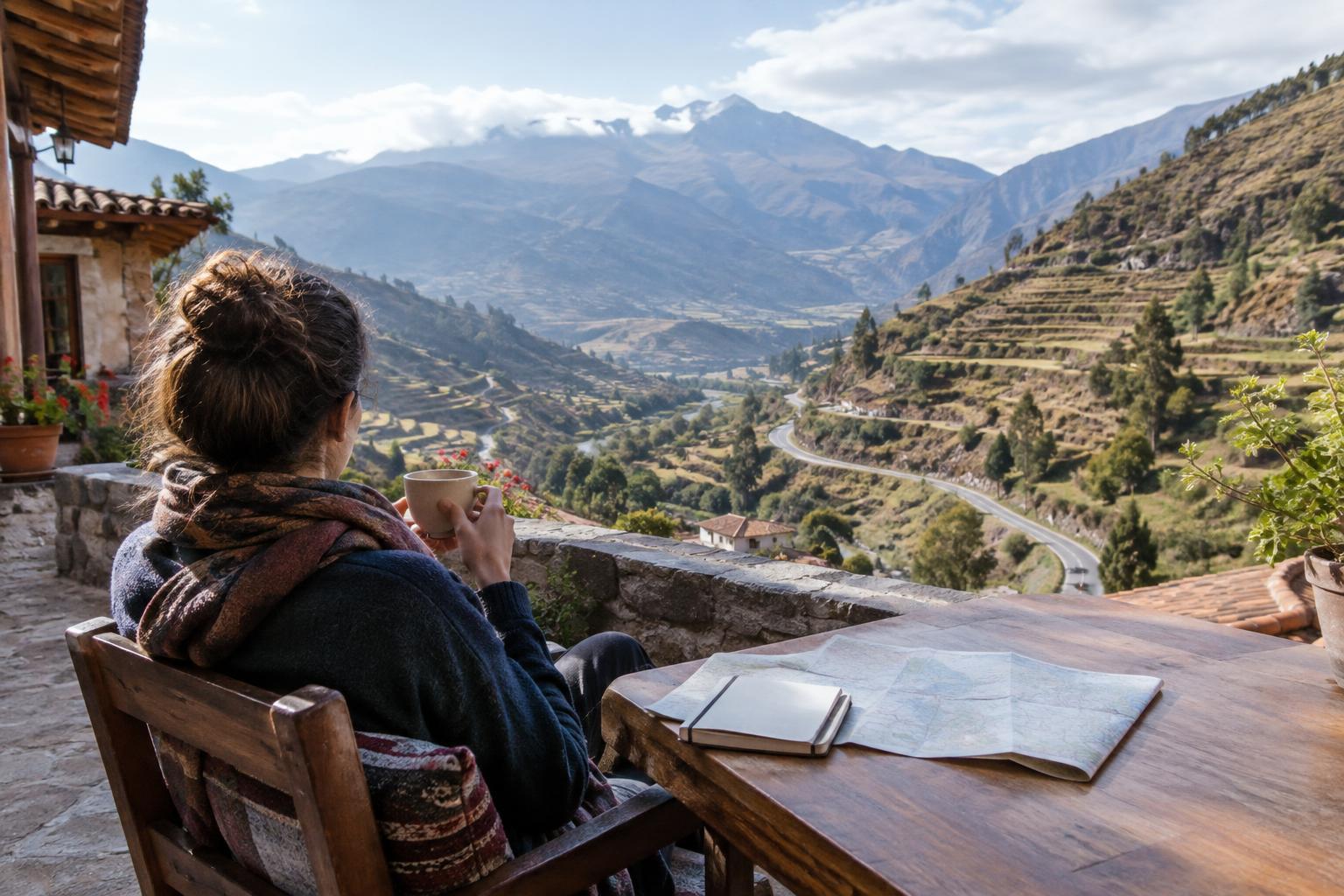
Give yourself time to adjust to altitude before starting, build walking fitness gradually, and pack for both sun and cold or wet weather. Ask an operator about group size, daily elevation changes, drinking water, toilets, porter or pack-animal arrangements, and how waste is handled. Confirm permits, transport and Machu Picchu entry separately. Clear answers to those questions will help you choose a trek you can enjoy while travelling with care.