Look beyond the label
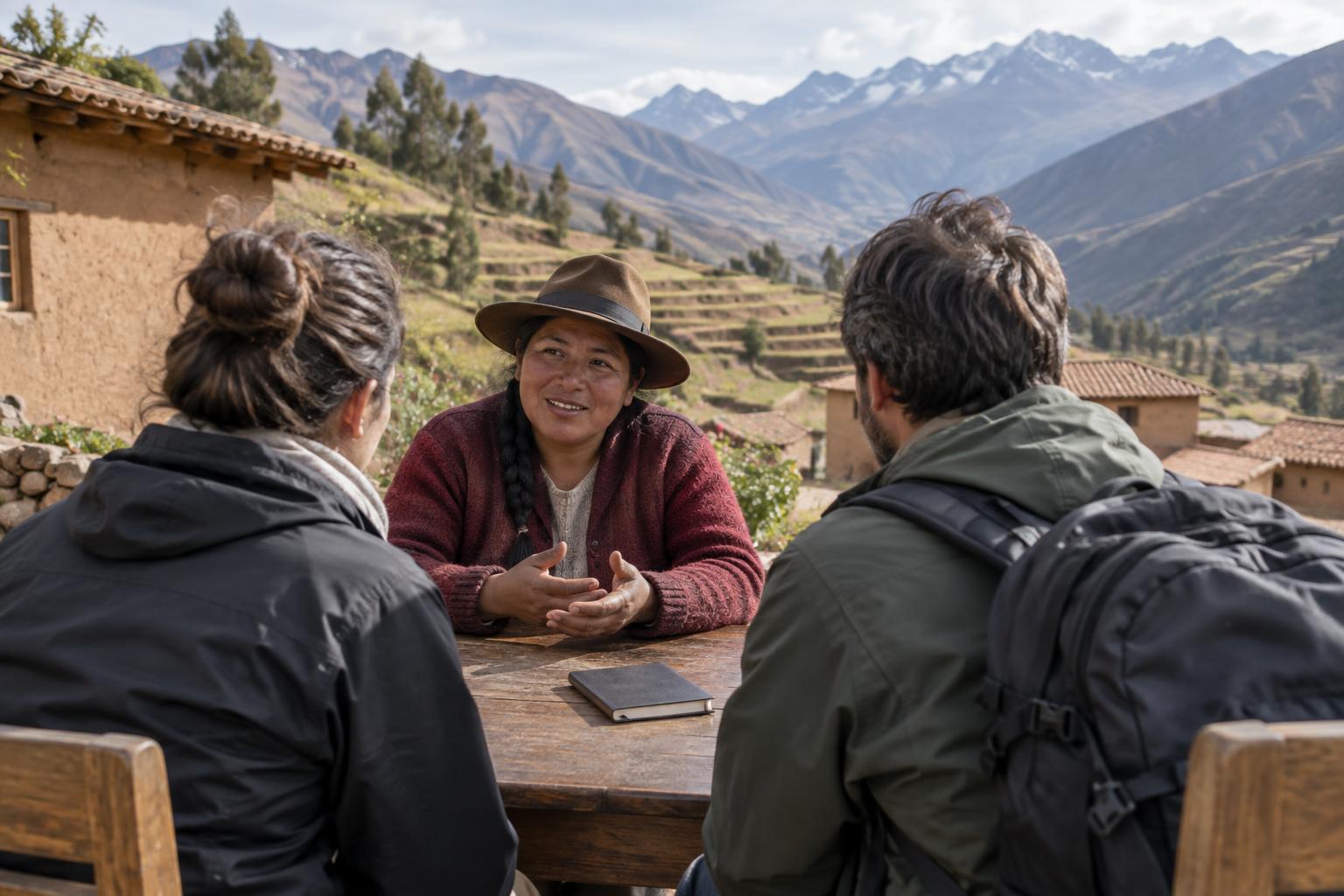
A village stay, guided walk or weaving visit may be described as “community-based tourism,” but the phrase does not tell you how an experience is run. It can refer to arrangements with very different levels of local ownership and control. Before booking, try to learn who designed the activity, who can change it and whether the people hosting visitors want to continue doing so.
Avoid treating a community as a single voice. Neighbours, families, guides and artisans may have different priorities, and participation may suit some people better than others. A useful question is: “Who takes part in decisions about visitor numbers, activities and prices?” An organiser may not share every detail, but they should be able to explain the basic arrangement without relying only on vague promises that a trip “helps locals.”
Ask where your payment goes
Start with the parts of the price you can reasonably ask about. Who receives payment for guiding, meals, accommodation and transport? Does an intermediary take a booking fee, and what work does that fee cover? Is there a separate community fund, and, if so, who decides how it is used? A clear answer need not include anyone’s private income; it should help you understand which services are paid for and who provides them.
It is also worth asking when hosts are paid and what happens if you cancel. Small businesses and households may have already bought food or set aside time for a visit. Look for terms that are fair to both sides, and do not assume that a higher price automatically means more money stays locally. Likewise, the cheapest option may leave little room for fair payment or preparation. Compare what is included rather than judging by the headline price alone.
Check who sets the terms of a visit
Local decision-making is about more than receiving a share of the fee. Ask whether hosts choose the route, group size, visiting hours and activities. Can they decline a booking or set limits on photography? Can a guide adapt a plan if weather, a family commitment or another local need changes the day? These questions help distinguish a hosted experience from one in which residents are expected to fit around a fixed visitor schedule.
Pay attention to how an operator describes people. A plan that centres named services and clear roles—such as a local guide leading a walk or a cook preparing a meal—is more informative than a promise of unrestricted access to “authentic” daily life. Traditions are not performances owed to visitors. If an activity involves a home, a ceremony or shared food, ask what has been offered for guests to join and what should remain private.
Be a considerate guest on the ground
Even a thoughtfully organised trip depends on how visitors behave. Follow guidance about paths, waste, water use and photography. Ask before taking pictures of people, homes or work, and accept a refusal without pressing for a reason. If a visit includes a demonstration or conversation, listen without expecting someone to explain an entire culture or speak for everyone in their area.
Allow for the pace of the place you are visiting. Travel in the Andes can involve long journeys and changing conditions, so build some flexibility into your plans. Arrive when agreed, let your host know about dietary needs in advance and pay the stated price without turning every exchange into a bargain. If you want to buy a craft or book an additional service, ask whether you can purchase directly from its maker or provider.
Make a decision with the information available
You may not receive a perfect account of every payment or decision, especially from a small operation with limited time for lengthy correspondence. Look instead for specific, consistent answers and terms that respect hosts’ choices. If responses are evasive, or if a visit seems to depend on entering private spaces without clear consent, consider another option.
A few questions cannot guarantee that an experience benefits everyone involved. They can, however, help you book with greater care: find out who shaped the visit, understand the services your money pays for and respect the boundaries set by your hosts. That approach leaves room for people in Andean destinations to present their own work and welcome visitors on terms they choose.


