Why a generous impulse deserves a second thought
On a walk through an Andean village or a stop in a South American town, a traveller may want to offer a child a coin, a sweet or a pen. The impulse is understandable: it feels like an immediate way to be kind. Yet visitors usually know little about a child’s circumstances, a family’s wishes or the habits their gesture might encourage.
One gift is unlikely to define a child’s future. Repeated gifts from passing visitors, however, can create expectations that are difficult for families and communities to manage. Children may begin approaching strangers for things, or adults may feel pressure to accommodate interactions they would rather avoid. A useful question is not simply “Can I give this?” but “Would this still be helpful if many visitors did the same?”
What direct giving can overlook
Giving to a child bypasses the people who care for them. A parent, teacher or guardian may have good reasons to limit sweets, decide how money is used, or prefer that children do not accept items from strangers. Even supplies that sound universally useful, such as notebooks, may not match what a school needs. Handing them out individually can also leave some children with nothing and others feeling obliged to ask.
There is a question of boundaries, too. A friendly exchange need not become a transaction. Children should be able to greet visitors, practise a few words or simply carry on with their day without being offered something in return. If a child is selling goods or asking for money, it is worth responding without assumptions about their home life. A brief encounter cannot tell you why they are there or what response would help most.
How to respond in the moment
If children ask for money or gifts, you can be kind and clear: smile, say no politely and move on. Avoid turning the refusal into a lecture, especially if you do not share a language. If you have offered something before realising it may be unwelcome, there is no need for a dramatic apology; let the interaction end respectfully and make a different choice next time.
Be equally thoughtful with your camera. Ask permission before photographing people, and take extra care with children: a child’s apparent willingness does not necessarily replace a parent’s or guardian’s consent. Do not offer treats or cash in exchange for a photograph. If permission is unclear, put the camera away. A journey does not need a portrait of every person you meet.
Put your travel spending where it has a clearer purpose
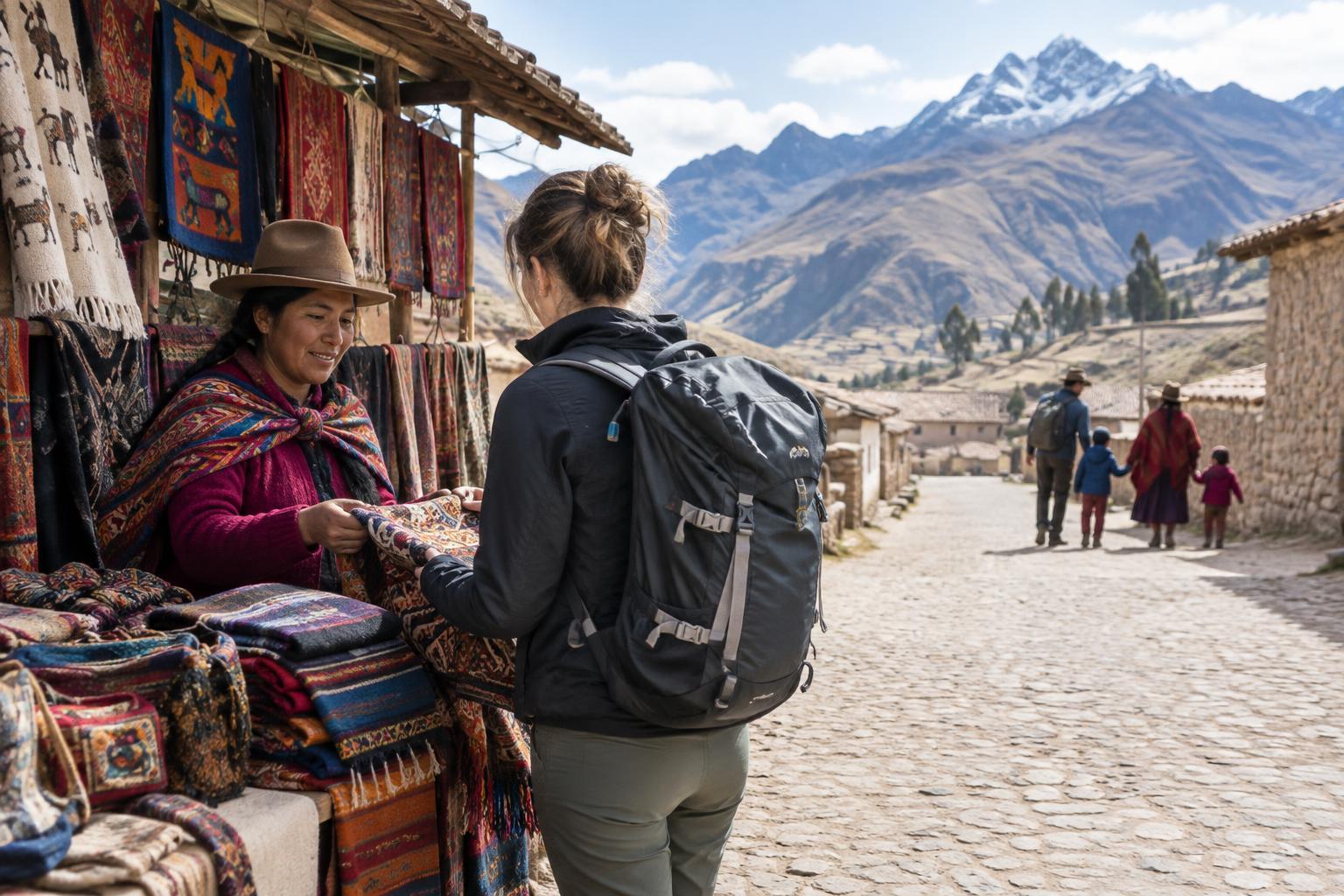
Everyday purchases can be a more straightforward way to contribute to a place. Pay a fair price for a meal, hire a local guide when appropriate, buy crafts you genuinely want, and respect any agreed fees for services or access. These exchanges recognise someone’s work rather than making a child the point of contact for a visitor’s generosity. Bargaining customs vary, but a small saving for a traveller may not be worth a tense exchange.
If you want to support a school or community project, ask what is wanted before bringing or buying supplies. Look for a group with a clear local role and a practical way to explain how contributions are used; take time to assess it rather than relying on a chance request or a persuasive story. Money may be more flexible than a bag of donated items, but that depends on the organisation and its needs. No traveller has to make a donation to travel responsibly.
Leave room for local choice
Responsible travel is not about treating every interaction as a test. It is about remembering that residents have priorities and relationships that visitors may not see. A guide, host or community representative may be able to explain whether a contribution is welcome and how to offer it without singling out children. Listen, while recognising that no one person speaks for an entire community.
The simplest alternative to an impulsive gift is often to slow down. Greet people without expecting an exchange, spend carefully, follow local guidance and let families set boundaries for their children. Those choices may feel less immediate than handing over a coin or a packet of sweets, but they leave more decisions with the people who live there.


