Start with the city on foot
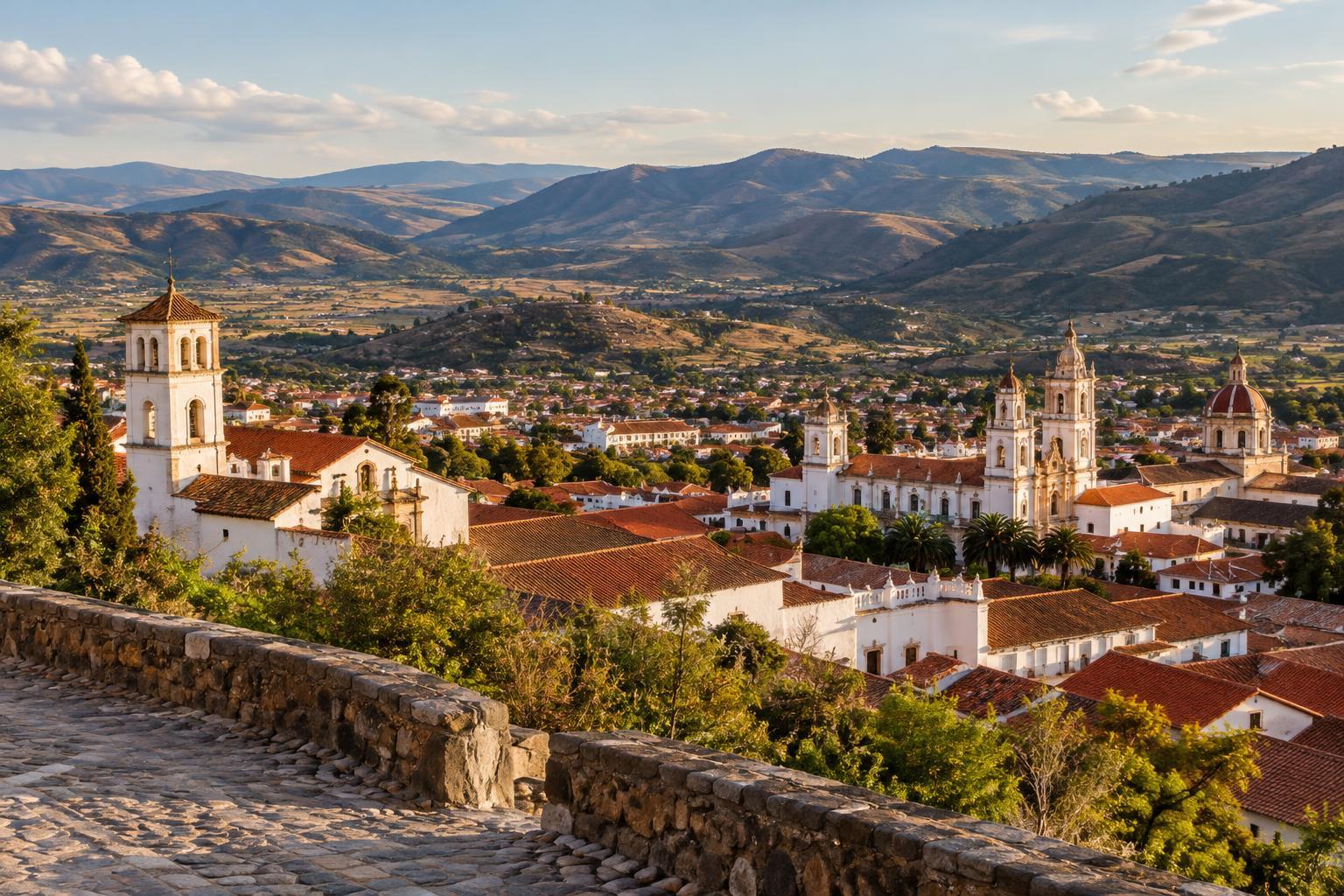
Sucre’s compact historic centre is well suited to wandering. Begin around Plaza 25 de Mayo, where shaded benches offer a place to pause between visits to churches, museums and streets lined with white façades. Rather than trying to see every landmark in a day, choose a few and leave room for the everyday city: people meeting in the square, small shops opening onto the pavement and the changing light on the buildings.
Casa de la Libertad is a useful stop for visitors interested in Bolivia’s history. For a wider view of Sucre, head towards La Recoleta and spend time looking out over the rooftops. Streets can be steep, and Sucre’s elevation may make a brisk walk feel harder than expected. An unhurried first day, with water and breaks, is often more enjoyable than a packed itinerary. Check access and opening arrangements locally before setting out for a particular site.
Make space for food and daily life
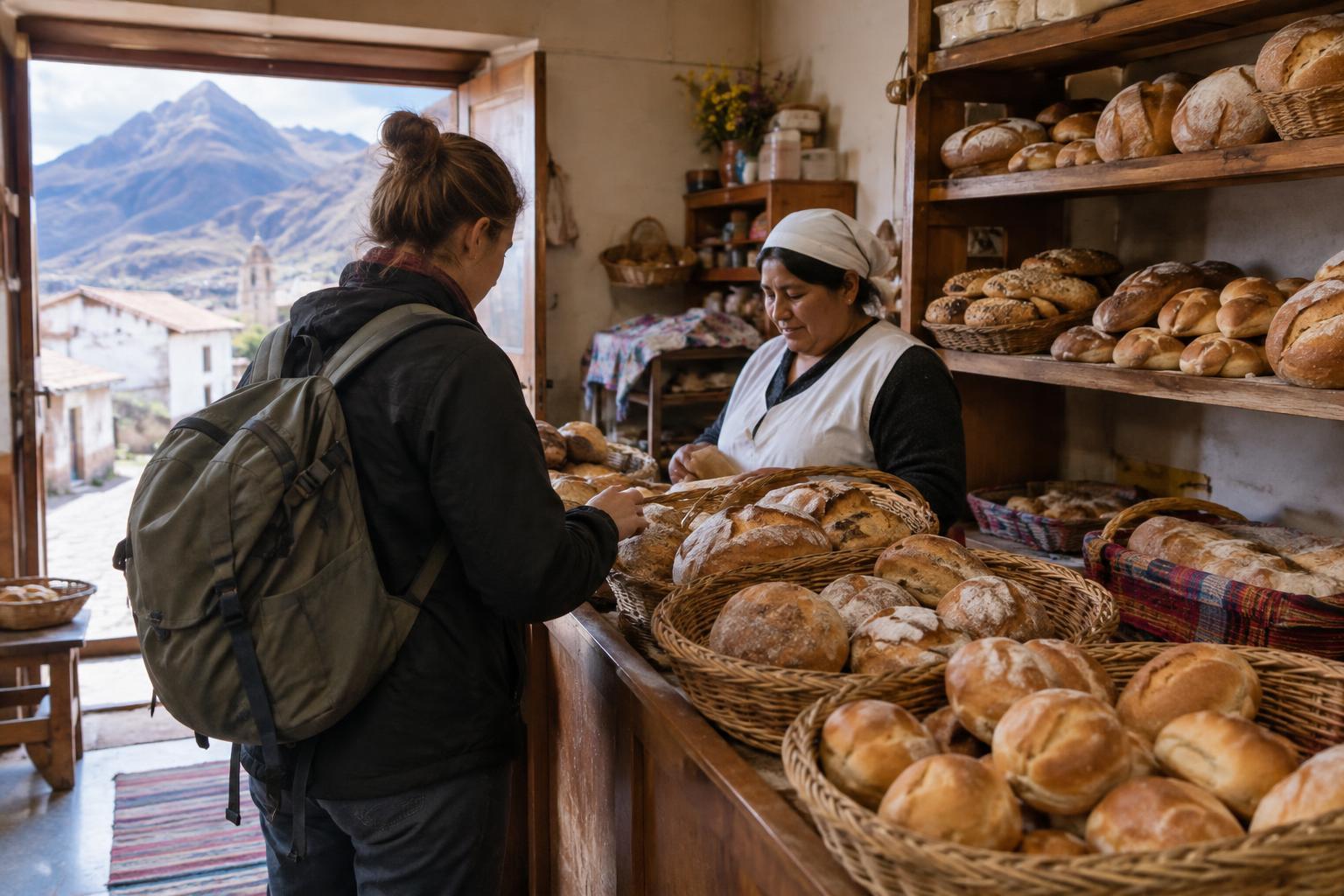
Markets offer a different introduction to Sucre from its formal sights. At the central market, you can look for fruit, fresh juices and prepared meals while observing how the space works before joining a queue. If you are unsure what a dish contains or how to order it, a polite question goes further than an assumption. Bolivia’s food varies by region, so treat a meal in Sucre as an introduction to local tastes rather than a summary of the whole country.
Allow time for an afternoon break, too. Sitting down for a snack or a drink is a chance to notice the rhythm of the city without turning someone else’s workday into an attraction. Ask before taking close photographs of vendors or customers, and accept a refusal without debate. Carry small-denomination cash for modest purchases, while keeping valuables secure as you would in any busy urban setting.
Choose a valley outing that fits your time
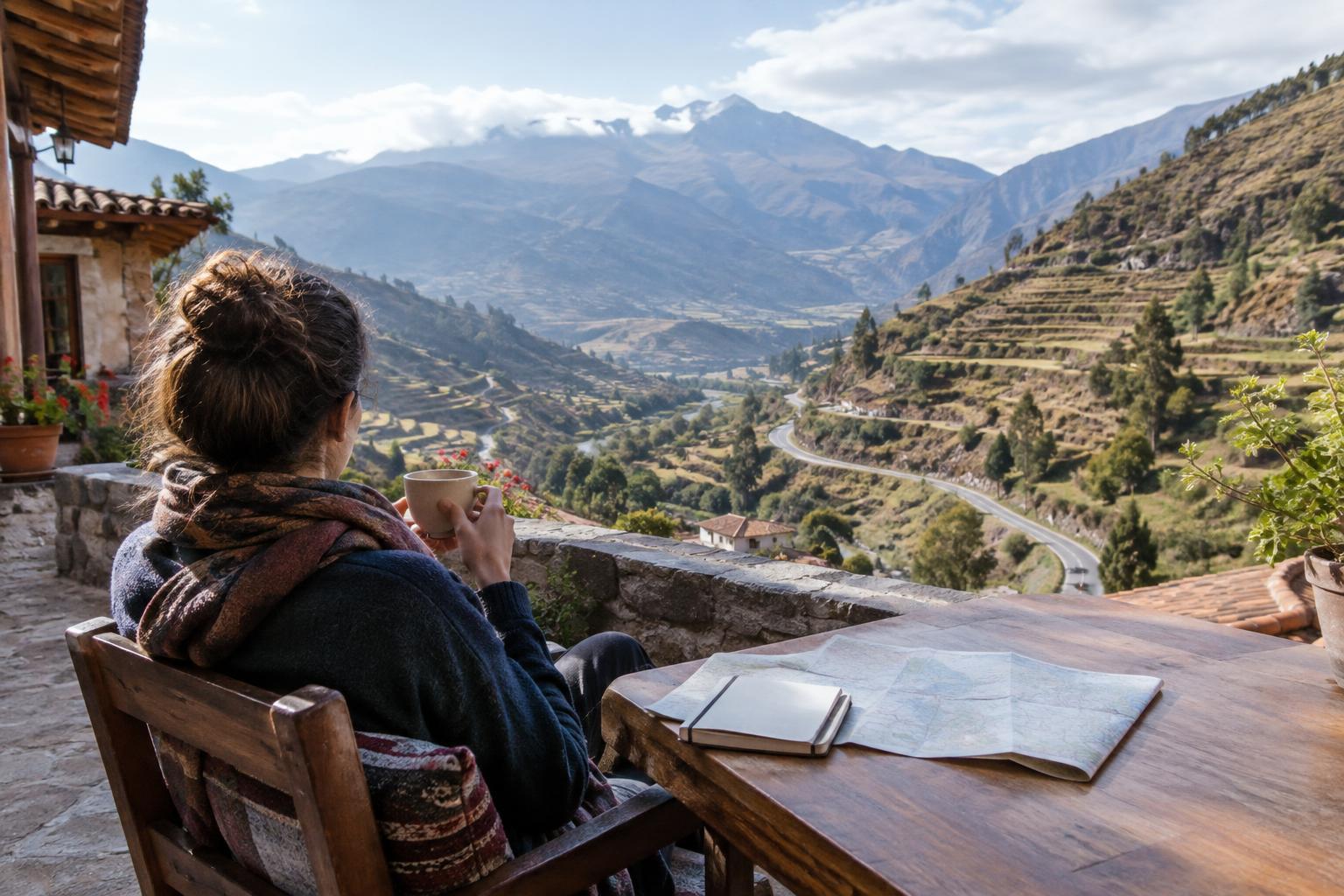
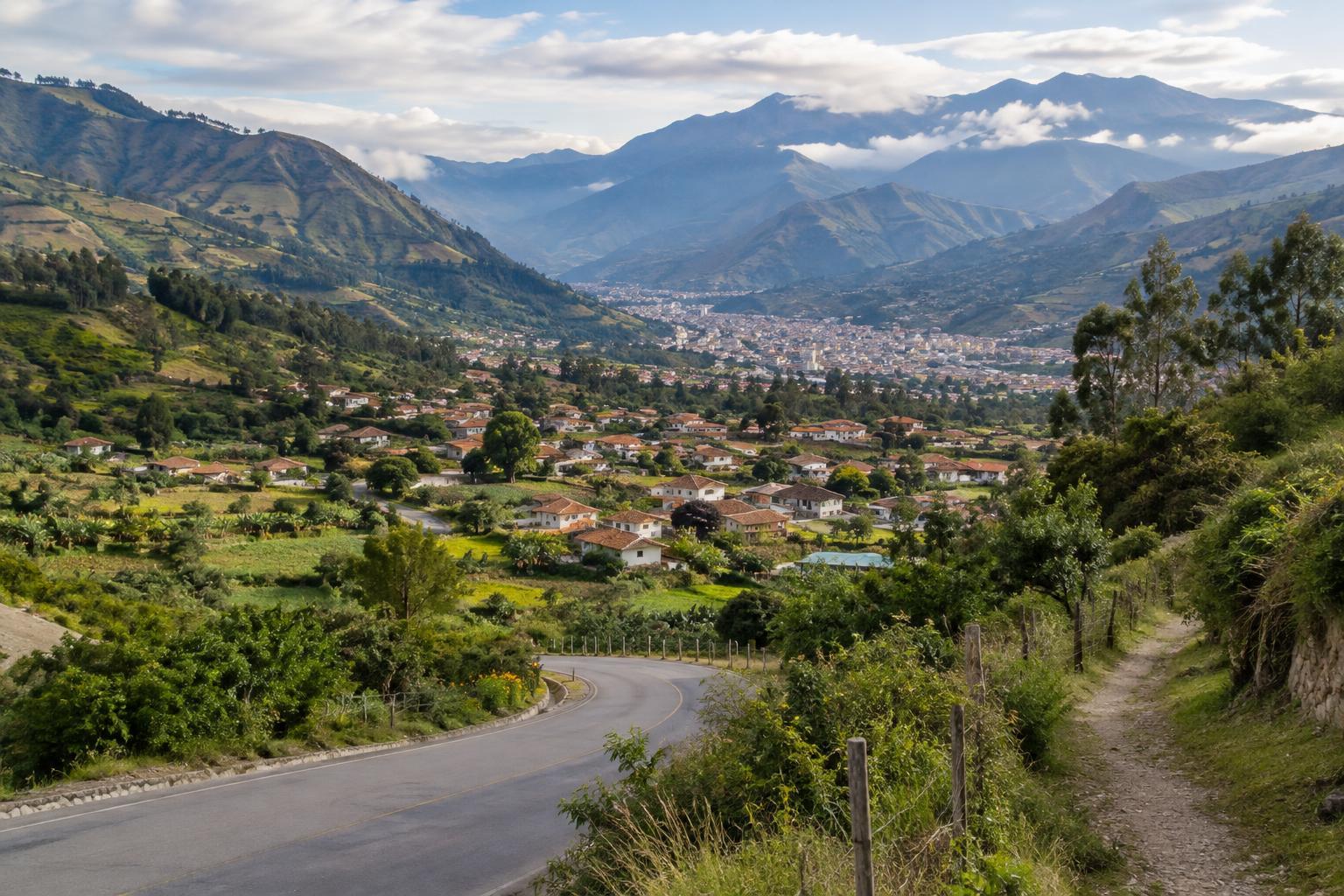
The hills and valleys around Sucre offer a change of pace from the centre, but they are not all equally simple to reach. Yotala, a nearby settlement in a greener valley, can suit a shorter outing focused on a walk and a meal. More ambitious trips may take visitors towards the Maragua area, known for its striking folded landscape and walking routes. Distances on a map do not always reflect travel time on winding roads, so build in a generous margin for the return journey.
Decide what you want from the day before arranging transport: a viewpoint, a sustained hike or time in a village calls for different plans. Ask locally about road conditions, route access and whether a guide is advisable for your chosen walk. If you head out independently, carry water, sun protection and a layer for changing conditions. Avoid relying on a phone signal for navigation, and tell someone where you intend to go.
Visit villages as places where people live
A trip beyond Sucre may bring you into communities with their own languages, textile traditions and ways of welcoming visitors. These traditions should not be treated as performances available on demand. If a workshop, market or community visit interests you, find out how it is organised and what visitors are invited to do. Buy directly from makers when you can, and ask permission before photographing people, homes or work in progress.
Tarabuco is one possible outing for travellers interested in textiles and regional markets, though its appeal should not be reduced to shopping. Leave enough time to travel respectfully rather than rushing in for a photograph and leaving. Wherever you go, follow marked paths where they exist, take litter back with you and be mindful that fields, courtyards and paths may be part of someone’s daily work.
Build a flexible Sucre stay
A balanced visit gives the city at least one unhurried day before adding a valley excursion. Keep another part of your schedule flexible for a museum you missed, a longer walk or a rest day. Weather, transport and site access can affect plans, so confirm practical details when you arrive rather than treating a proposed route as a fixed timetable.
Sucre works particularly well for travellers who enjoy moving between close observation and open landscapes. The city provides an easy starting point for learning some of Bolivia’s history and enjoying its food; the surrounding valleys show why it is worth looking beyond the central streets. Travel slowly enough to appreciate both, and let local guidance shape the details of each outing.