Start with a manageable first day
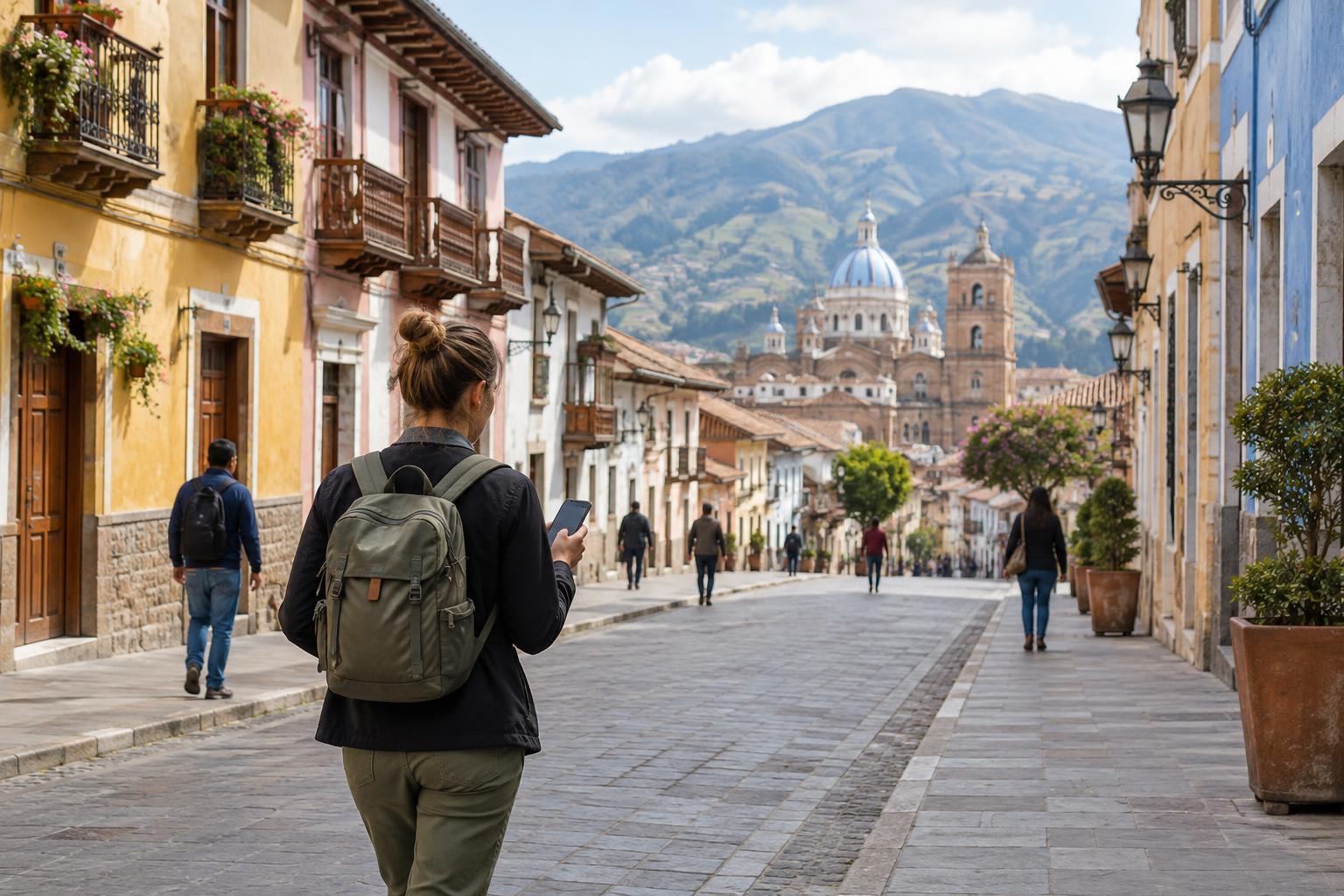
Arriving alone can make an unfamiliar city feel busier than it is, especially when you are carrying luggage and looking for an address. Before departure, save your accommodation name, street address and booking details somewhere you can access without a connection. Download an offline map and note how you plan to get from your arrival point to your lodging. If you expect to arrive late or feel tired, a prearranged transfer or clearly identified transport may be worth considering.
Give yourself a simple first-day plan rather than a full itinerary. Find your accommodation, get oriented in the immediate area and identify a place to eat. Ask staff or a trusted local contact which routes are convenient on foot and whether there are areas they suggest avoiding at particular times. Conditions can vary from one neighborhood to the next, so specific, recent guidance is more useful than broad assumptions about a whole city.
Choose transport deliberately
Learn the basic transport options before you need them. A city may have buses, shared vehicles, taxis or app-based rides, each with different ways to pay and identify the correct vehicle. Ask your accommodation how they recommend arranging a ride, particularly from a terminal or airport. Confirm the destination and expected fare or payment method before setting off where possible, and check that the vehicle matches any details supplied through a booking service.
On public transport, keep the item you need to watch most closely in front of you, not on an empty seat or an overhead rack. Allow extra time when changing services so you do not feel pushed into a hasty decision. If a route, stop or vehicle does not match what you expected, it is reasonable to pause in a staffed or well-used place and reassess. Carrying the written address of your destination can also help when pronunciation or mobile data lets you down.
Make belongings easy to manage
The aim is not to guard every possession every second; it is to reduce the number of things demanding your attention. Take only what you expect to use that day and keep your phone, wallet and keys in consistent places. Close your bag before walking away from a café, ticket counter or viewpoint. When you sit down, keep it within your reach rather than hanging it behind your chair.
Separate essentials where practical. For example, keep a backup payment method apart from the wallet you use day to day, and store copies of important travel documents securely. Decide in advance which documents you need to carry for a particular outing, since requirements may differ by activity and location. In crowded places, stop somewhere calm before checking a map or rearranging your bag; trying to do both while moving makes it easier to misplace something.
Set a check-in routine you can keep
A check-in plan works best when it is clear and modest. Tell one trusted person your broad itinerary, where you are staying and when they can expect to hear from you. Agree on what they should do if you miss a message, allowing for weak reception, a flat battery or a change of plans. A daily note or a message after a longer journey may be more sustainable than constant updates.
Keep your own practical backup as well. Save key addresses and contacts offline, carry a charging option if you rely on your phone, and know how to contact your accommodation without an app. If you change cities or take an unplanned overnight trip, update your check-in person. You do not need to share a live location publicly to let someone know where you expect to be.
Leave room for judgment and enjoyment
Solo travel gives you the freedom to change pace, but fatigue can make ordinary choices harder. Build in time for meals, water and rest, particularly when a journey involves long transfers or a higher elevation than you are used to. If an outing feels too complicated to arrange on the spot, ask questions, return in daylight or choose a simpler plan. Changing your mind is a useful travel skill, not a failed adventure.
Be open to conversations while keeping control of your own plans and belongings. You can decline an invitation, choose a different route or leave a situation without offering an elaborate explanation. Practical habits should support your curiosity, not replace it: once your transport, essentials and check-ins are accounted for, you have more attention to give to the city around you.