Why give the canyon more than a day?
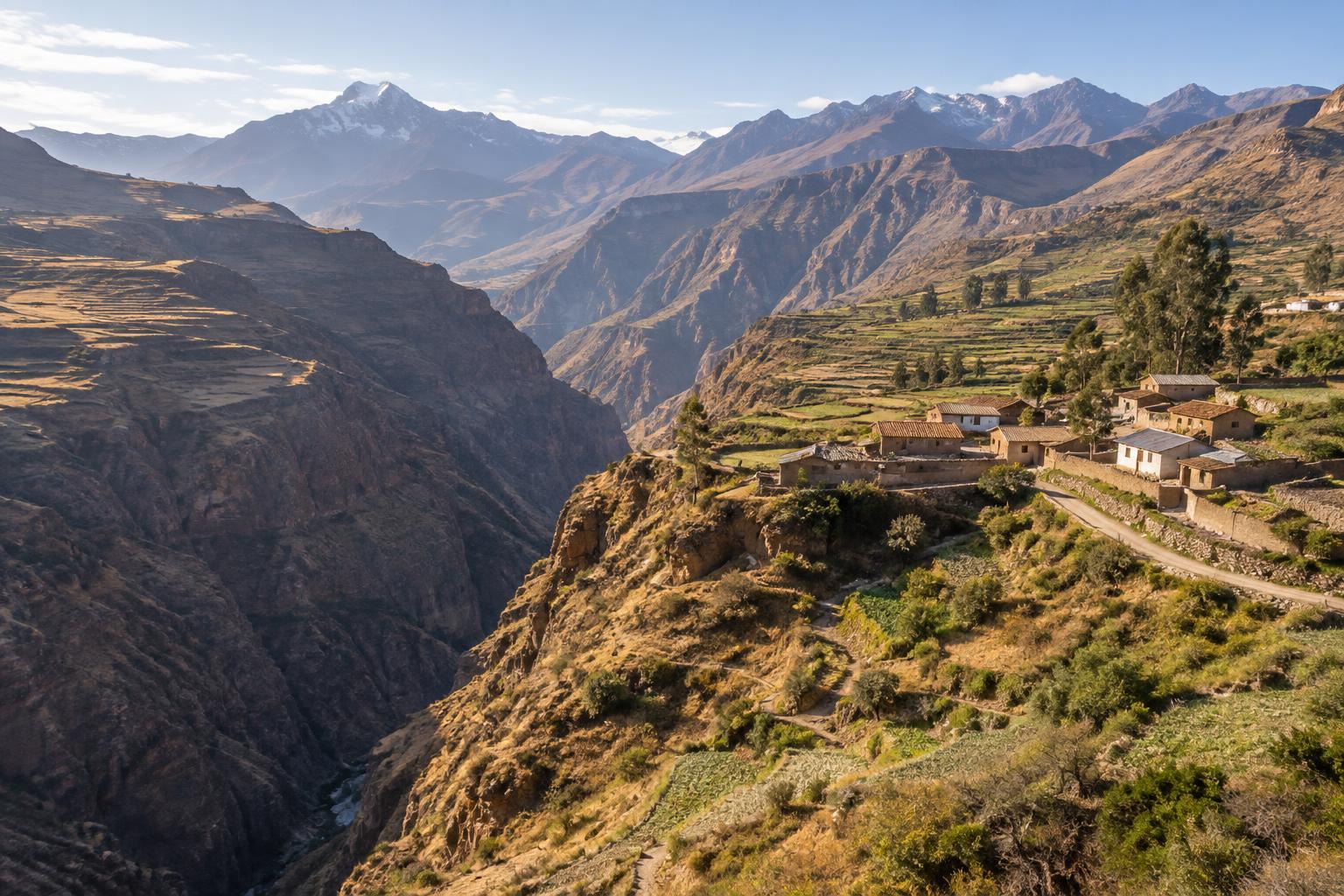
Many visits to Colca Canyon centre on the viewpoints near Cruz del Cóndor, where visitors hope to see condors riding the morning air. The spectacle is memorable, but it is only one part of the valley. A slower trip leaves room for village streets, agricultural terraces, riverside scenery and the changing light on the canyon walls. It also takes some pressure off a schedule built around one wildlife sighting, which can never be guaranteed.
An overnight stay makes the distance from Arequipa feel more worthwhile. Rather than spending most of the day in a vehicle, you can arrive, settle in and explore at an unhurried pace. Decide first what kind of visit you want: easy walks and village time on the canyon rim, or a demanding descent to a settlement below. That choice should shape where you sleep and how you travel.
Choose a village that fits your plans
Chivay is a practical starting point for many travellers. It is a transport hub with places to stay and eat, and it works well if you want flexibility before continuing farther into the valley. Yanque offers a quieter base for exploring nearby paths and terraces. Maca can make a pleasant stop along the road, though it is worth checking your onward transport before planning to spend the night.
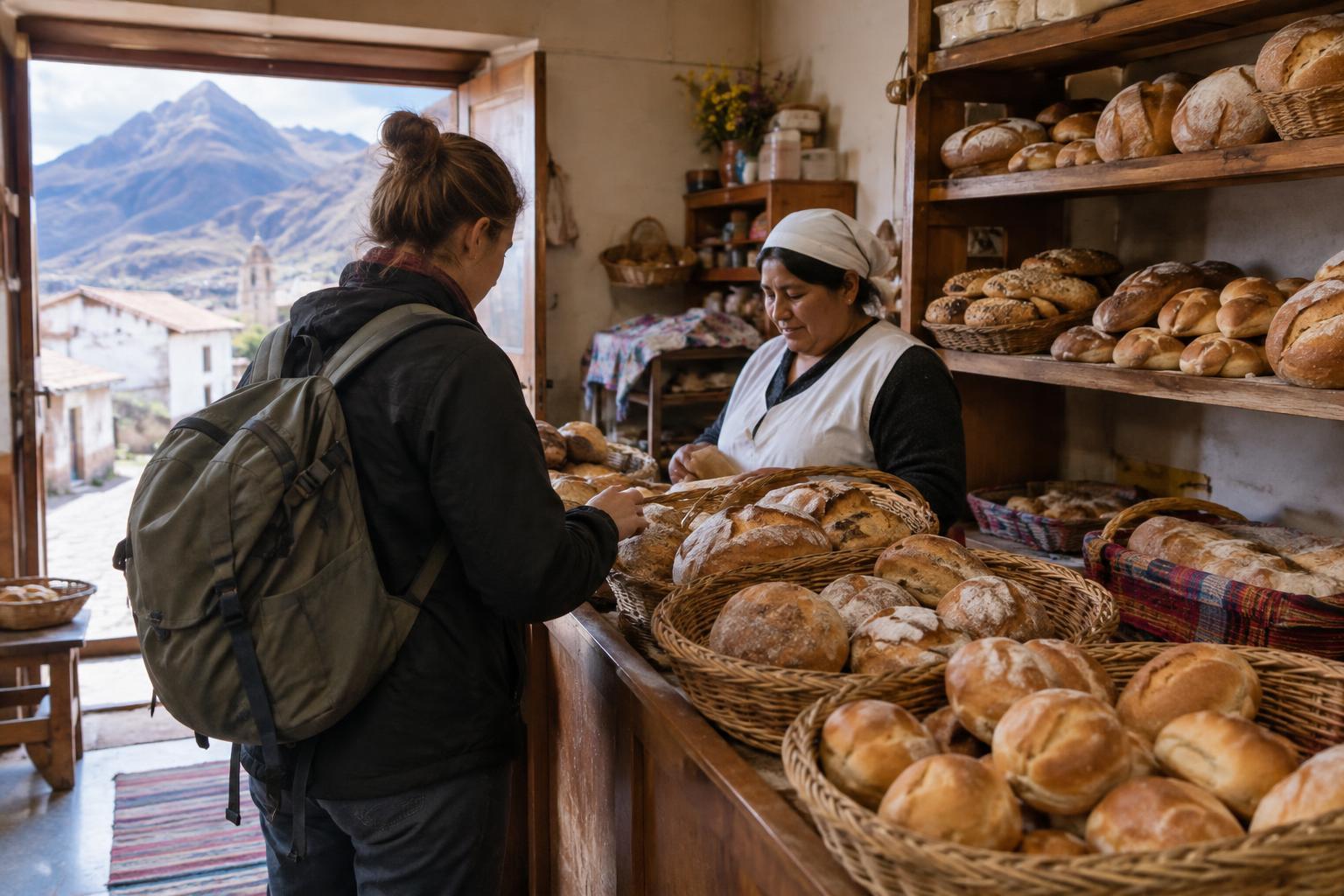
Cabanaconde, farther west, is a common base for walks into the canyon. Staying there puts you closer to several trailheads and gives you a chance to begin a descent early. These villages are lived-in places, not just staging posts for visitors. Wander with consideration, keep to public paths, and ask before photographing people or entering spaces that appear private. A simple overnight routine—dinner, a short walk and an early start—can be as rewarding as a packed itinerary.
Getting around without an organised tour
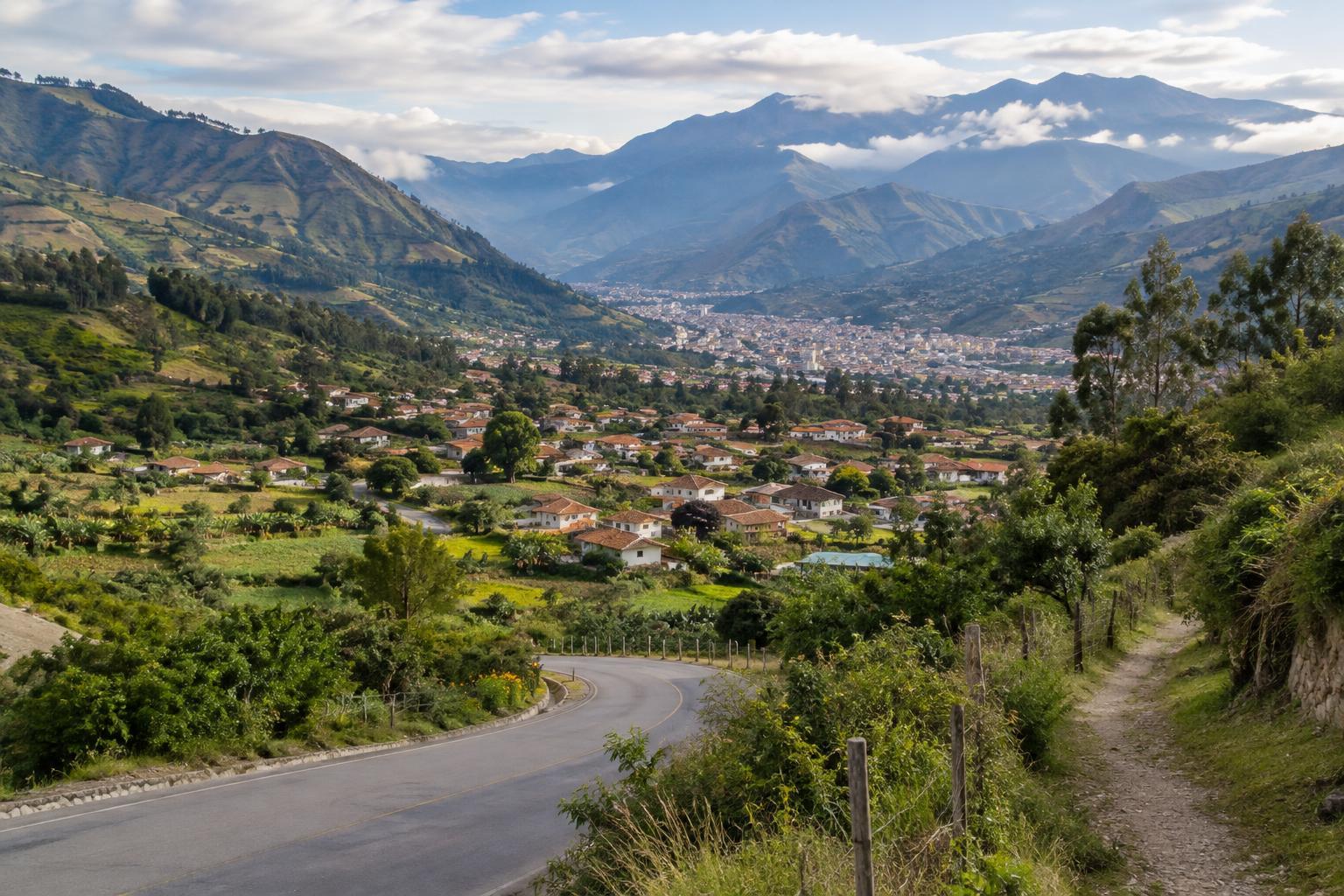
The usual approach is by road from Arequipa toward Chivay, followed by onward travel through the valley if your destination is farther west. Buses and shared vehicles may serve different stretches of the route, but departures, stopping patterns and journey times can change. Confirm the current options locally before you commit to accommodation or a trek, especially if you hope to travel onward on the same day.
Allow more time than a map suggests. Mountain roads, stops and connections can make a tight schedule uncomfortable, and the last useful departure may be earlier than expected. Ask where a vehicle actually stops: a viewpoint, a village centre and a trailhead are not interchangeable when you have luggage. If you arrange a private transfer, agree on the destination and any stops in advance. Keep cash available for small purchases and check locally whether an entry ticket is required for your planned route.
Deciding where to spend the night
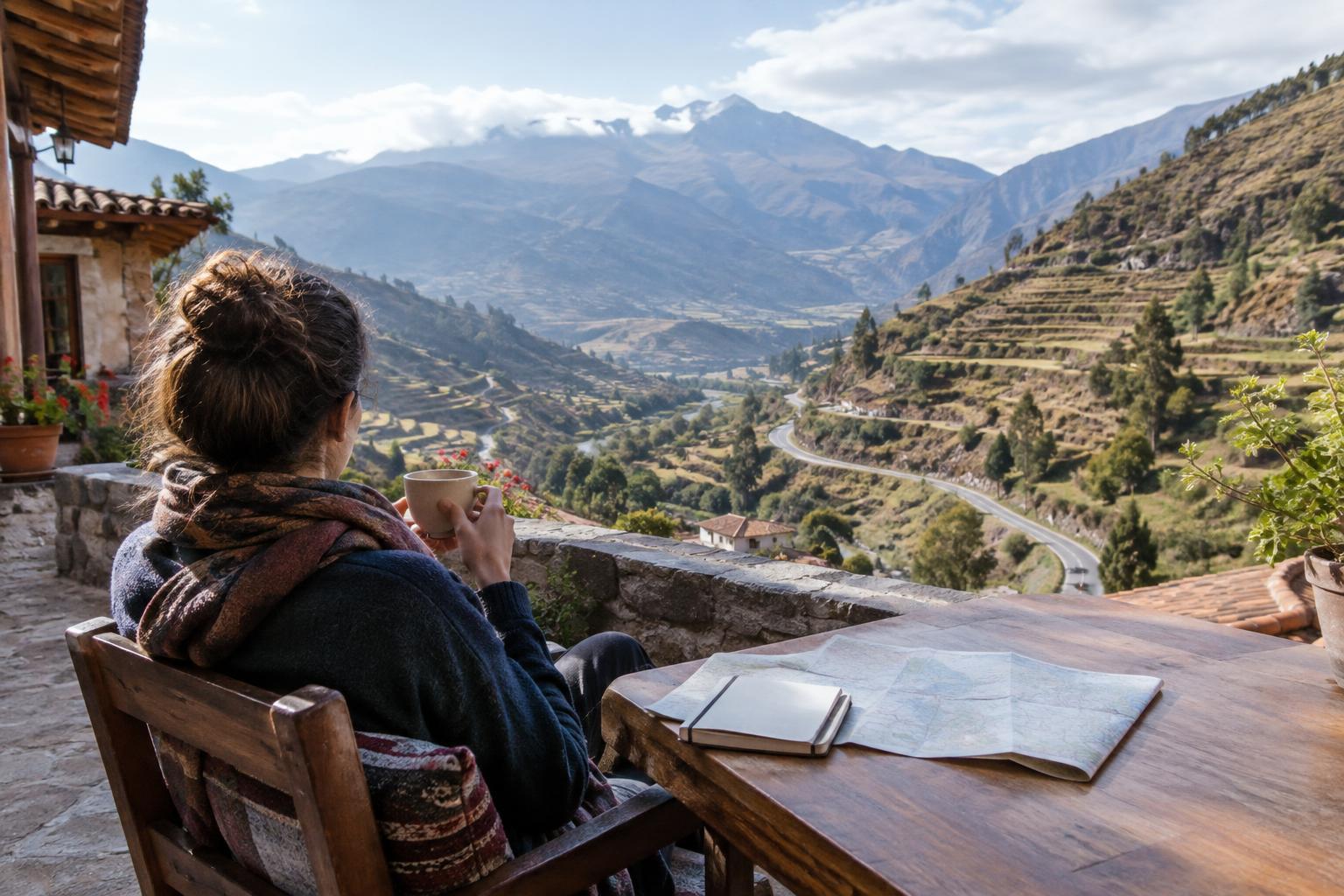
A room on the canyon rim suits travellers who prefer shorter walks, easier access to transport or time to adjust after arriving from a lower elevation. Even without a long hike, you can enjoy early and late light when day visitors are less concentrated around the main viewpoints. Pack warm layers: highland mornings and evenings can feel quite different from midday in the sun.
Sleeping below the rim is a different undertaking. Routes to places such as Sangalle involve a substantial descent followed, eventually, by a steep climb back out. Conditions and available services vary, so check the trail, your accommodation and your return transport before setting off. Carry enough water and food for the walk rather than assuming you can buy them whenever you need them. If your time or energy is limited, an extra night in a rim village is a better choice than rushing a canyon descent.
Travel at the valley’s pace
Colca’s altitude deserves attention, particularly if you have come directly from lower ground. Build in a gentler first day, drink water regularly and be willing to shorten a walk if you do not feel well. Strong sun, cool shade and exposed paths can all feature in the same outing, so take layers, sun protection and shoes suited to uneven ground. Check the weather and ask locally about trail conditions before heading into the canyon.
Responsible travel here is mostly a matter of small choices. Use marked routes where available, carry out your rubbish and avoid blocking paths or doorways for photographs. Buy food or services locally when they suit your needs, without treating residents’ daily activities as a performance. With a little slack in your plans, the journey between villages becomes part of the visit rather than simply the distance between viewpoints.