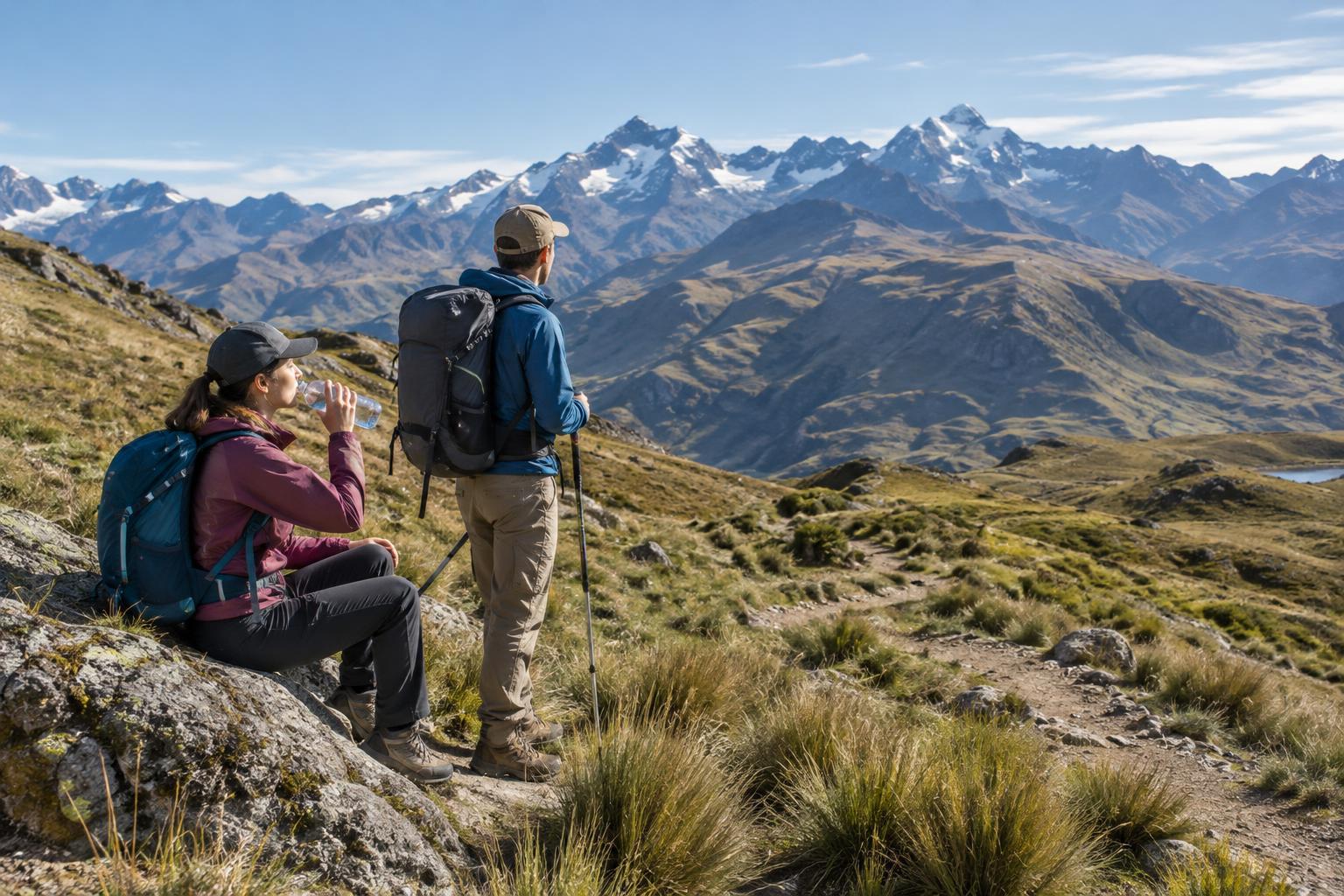
Build adjustment time into your route
An Andean itinerary can move quickly from a low-lying city to a mountain town or trailhead. That change matters more than how fit you are: even strong walkers can feel unwell at altitude. When planning, look at where you will sleep each night, not just the highest point you hope to visit during the day. If your schedule allows, add time at a moderate elevation before moving higher and avoid stacking your most demanding walks into the first days.
Keep your arrival day simple. A short walk around town can help you get oriented without committing you to a long climb. Leave space in the following days to rest or change plans. If you are choosing between a tightly booked route and one with an extra night or two, the more flexible itinerary gives you better options if you do not feel ready to go higher.
Let your first days set the pace
At altitude, everyday activities may feel harder than expected. Walk at a pace that lets you talk comfortably, take breaks and resist the temptation to match someone else’s speed. Eat regular meals and drink when you are thirsty; carrying water makes that easier on travel days. Avoid treating a headache or unusual fatigue as a challenge to push through. Rest is a useful part of the itinerary, not a failed day.
Think ahead about groups and fixed bookings. Tell companions if you feel unwell, and agree before a walk that anyone can ask to slow down or turn back. Check what transport or accommodation options exist if you need to stay an extra night or return to a lower place. In remote areas, phone service and quick transport may be limited, so this conversation is best had before setting out.
Notice symptoms rather than guessing their cause
A headache, nausea, dizziness, loss of appetite, unusual tiredness or poor sleep after gaining altitude may be signs that your body is struggling to adjust. These symptoms can have other causes too, and a traveler cannot reliably diagnose themselves from a checklist. Pay attention to whether symptoms appear after an ascent, persist or worsen, and whether other people can see a change in how you are moving or behaving.
If you feel unwell, do not go higher while hoping you will improve on the way. Stop, tell a companion and seek advice from a qualified local healthcare professional, particularly if symptoms do not settle or are getting worse. People with heart or lung conditions, previous serious altitude illness, or questions about medicines should discuss their plans with a clinician before traveling.
Know when to act urgently
Some signs call for urgent help rather than another rest stop. Confusion, difficulty walking steadily, severe weakness, or breathlessness while resting are especially concerning at altitude. So are symptoms that become markedly worse. Do not leave someone with these signs alone or expect them to complete a walk. Arrange urgent medical assistance and a move to a lower altitude as safely and promptly as circumstances allow.
A group may need to abandon a planned route, use available transport or ask local staff for help making contact with emergency services. The practical details vary by location, which is why it helps to know your accommodation address, carry essential contact information and understand your travel insurance before a remote trip. The priority is the person who is unwell, not reaching the next stop on schedule.
Make flexibility part of a good trip
Altitude planning is not about eliminating every uncertainty. It is about making choices that leave room to respond: a gentler start, realistic walking days and permission to change the route. A rest day can still offer time to enjoy a town, its food and its surroundings without asking your body to climb further.
Before you depart, share your broad itinerary with someone at home and check how you would seek help along your route. Once in the Andes, listen to how you feel rather than measuring your trip against someone else’s. Turning back or staying lower when you are unwell is a sensible travel decision—and can protect the days of exploration still ahead.


