Start with the trip you want
The Sacred Valley is often treated as a stop between Cusco and Machu Picchu, but staying a few nights gives you time to enjoy its towns and landscapes at a gentler pace. Pisac, Urubamba and Ollantaytambo can each work as a base. The best choice depends less on which town is “best” and more on how you plan to spend your days.
Think first about your onward route, then about what you want outside your door. Would you rather browse a market and take a nearby walk, use a central base for outings, or stay close to a common rail departure point? Distances on a map can be misleading in mountain terrain, so leave room in your plans for transfers and unhurried visits.
Pisac: for a town-and-walking stay
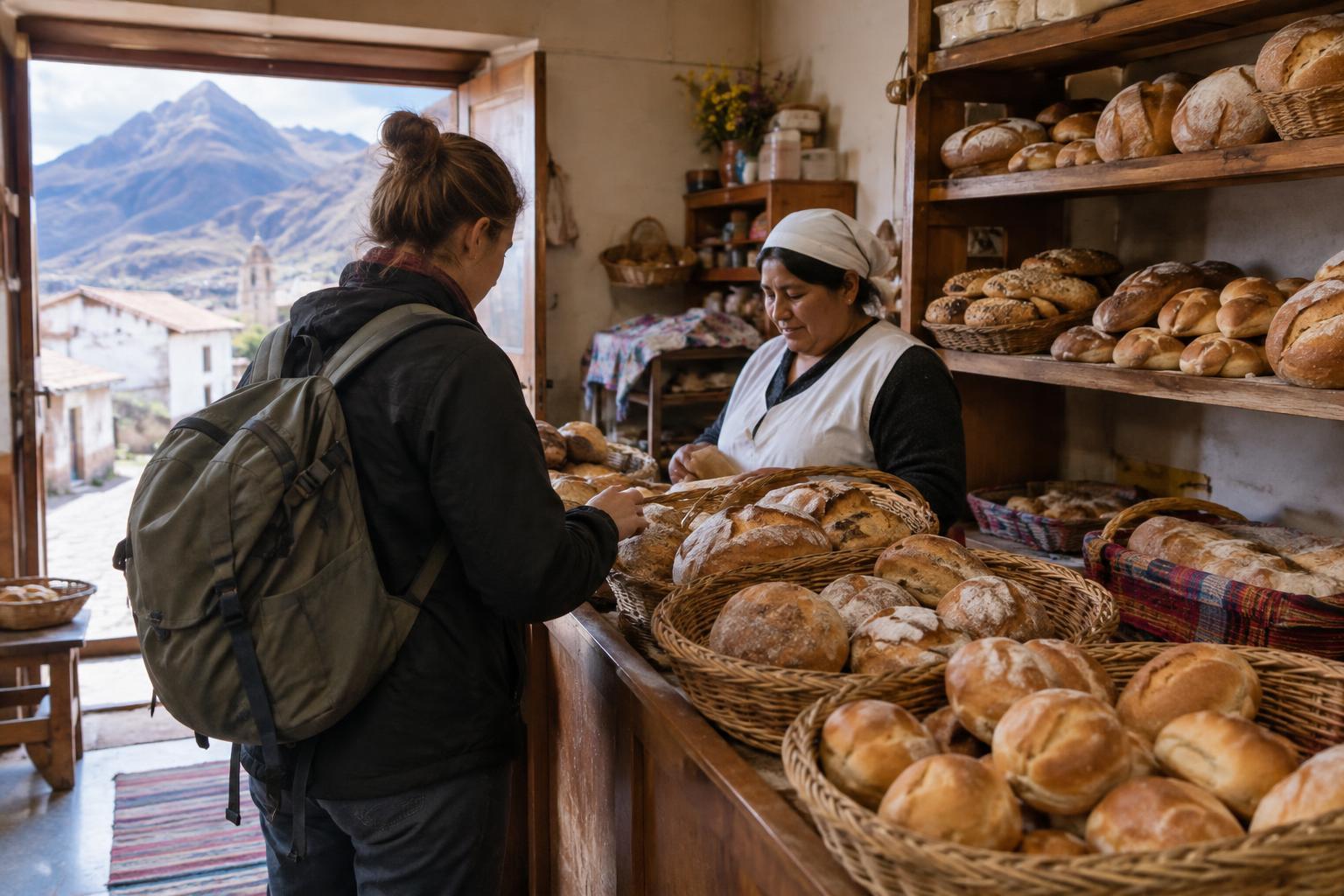
Pisac suits travelers who want to settle into a smaller town with places to eat, craft stalls and a significant archaeological site nearby. Its market draws visitors, but it is worth remembering that stalls and trading patterns can vary. Browse thoughtfully, ask before photographing people or their work, and buy directly from makers when you can.
The archaeological site above Pisac rewards a visit for its terraces, paths and valley views. You can arrange transport uphill and explore on foot from there, rather than assuming you must tackle a long climb from town. Paths, access arrangements and your comfort at altitude all matter, so check locally before setting out and carry water, sun protection and a layer for changing weather.
Pisac is a good fit if you prefer to spend part of a day in one place rather than make every outing a long circuit. It is less convenient if your main priority is an early departure from Ollantaytambo toward Machu Picchu; that journey would need to be factored into your schedule.
Urubamba: for space and flexible day trips
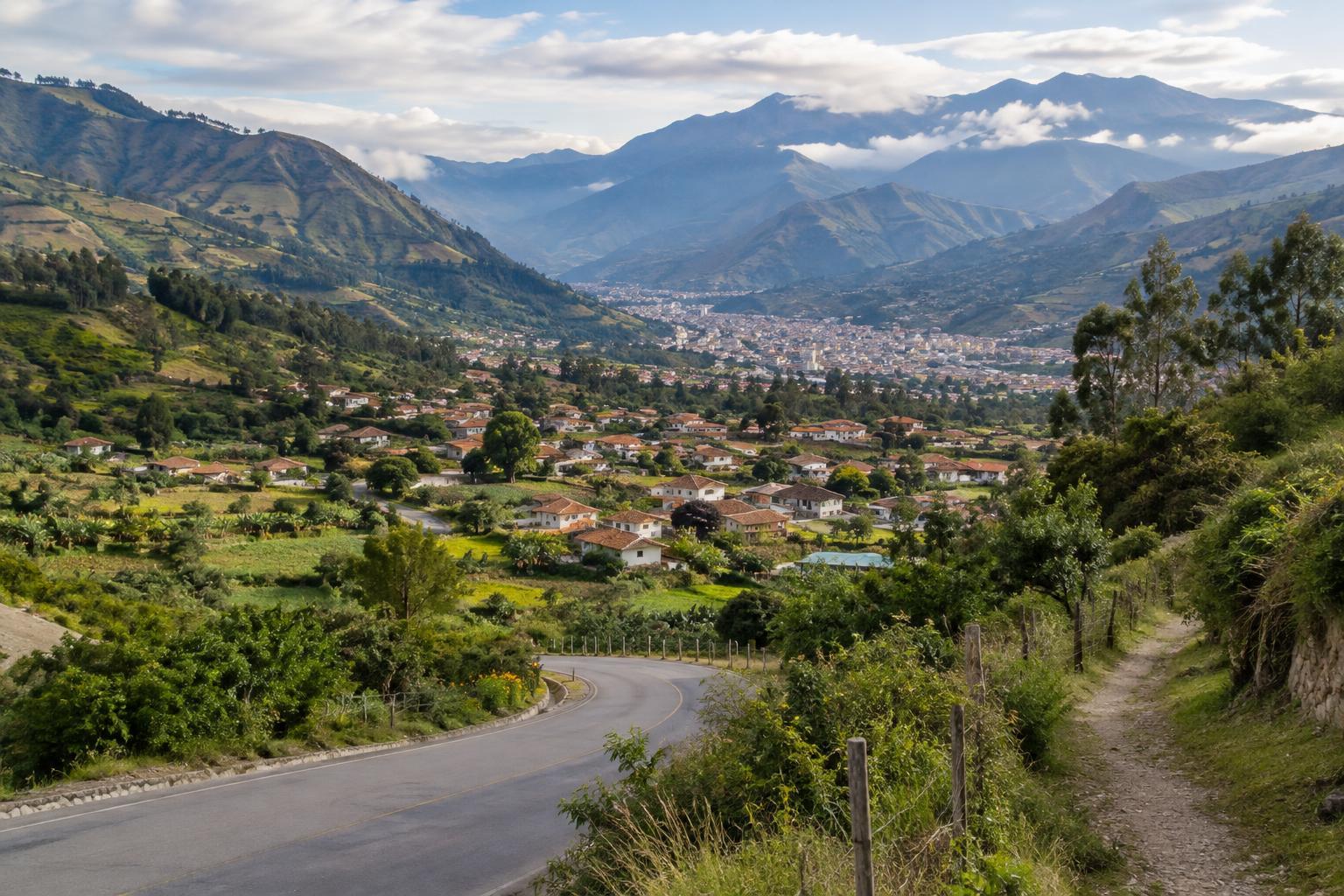
Urubamba is a practical choice if you want a base for visiting several parts of the valley without moving accommodation. It has everyday town life alongside a range of places to stay, including properties outside the center. That range makes it especially important to check the exact location of a room: a peaceful setting beyond town may also mean arranging transport for dinner or a morning departure.
From Urubamba, you can plan outings toward archaeological sites, viewpoints and neighboring towns, returning to the same base at the end of the day. It can suit travelers who value a quieter evening or are traveling with people who prefer shorter walks. The trade-off is that sights may not be on your doorstep, and costs and travel time can build up if you rely on private rides.
If you are deciding between central Urubamba and a more secluded stay, picture an ordinary evening as well as a sightseeing day. Being able to walk to a meal may matter more to you than a distant view, or the reverse.
Ollantaytambo: for lanes, ruins and onward travel
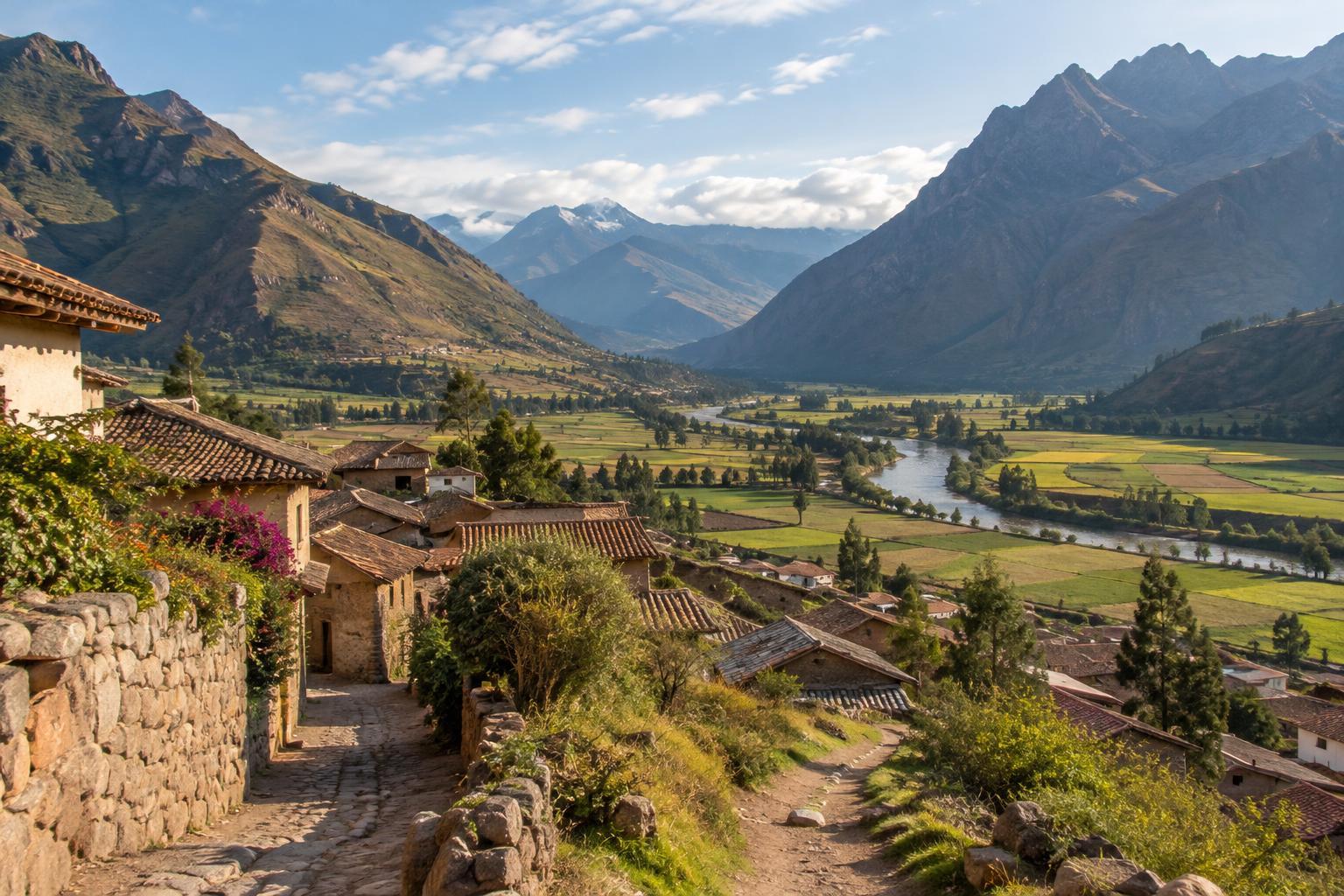
Ollantaytambo combines an imposing archaeological site with a town whose narrow lanes invite slow exploration. Staying overnight lets you experience the streets outside the busiest visiting hours and gives you time to look beyond the main site without rushing onward. These are lived-in streets, so keep doorways clear, respect private spaces and ask permission before taking close-up photographs.
For many visitors, Ollantaytambo’s strongest practical advantage is its rail connection for journeys toward Machu Picchu. Staying here can simplify the morning of a train departure, although you should confirm your station, ticket details and transfer times when booking. It is also a useful base if the town itself and nearby walks are central to your plans.
The compact historic area appeals to travelers who like to explore on foot, but uneven surfaces and steps may be tiring. If easy vehicle access is important, check how close your accommodation is to a road where a driver can stop.
Make the choice—and leave room to slow down
Choose Pisac for a small-town stay with a nearby archaeological outing; Urubamba for a flexible base between excursions; or Ollantaytambo for time in its historic streets and a straightforward start to a rail journey. If your itinerary allows it, splitting your stay between two towns can reduce backtracking while giving you a different feel for the valley.
Whichever base you choose, avoid packing every day with distant stops. Allow time to adjust to the altitude, check walking conditions before heading out, and make space for meals and conversations without treating communities as attractions. A well-chosen base is not just a place to sleep: it helps you travel through the Sacred Valley with more attention and less hurry.