Choose a region before choosing a route
The Andes run through several countries, but a first itinerary rarely benefits from trying to cover the whole mountain range. Begin with the kind of trip you want: city museums and markets, village stays, day walks, multi-day trekking, high-altitude landscapes or a mix of these. Then choose a region where those interests fit together without repeated long transfers.
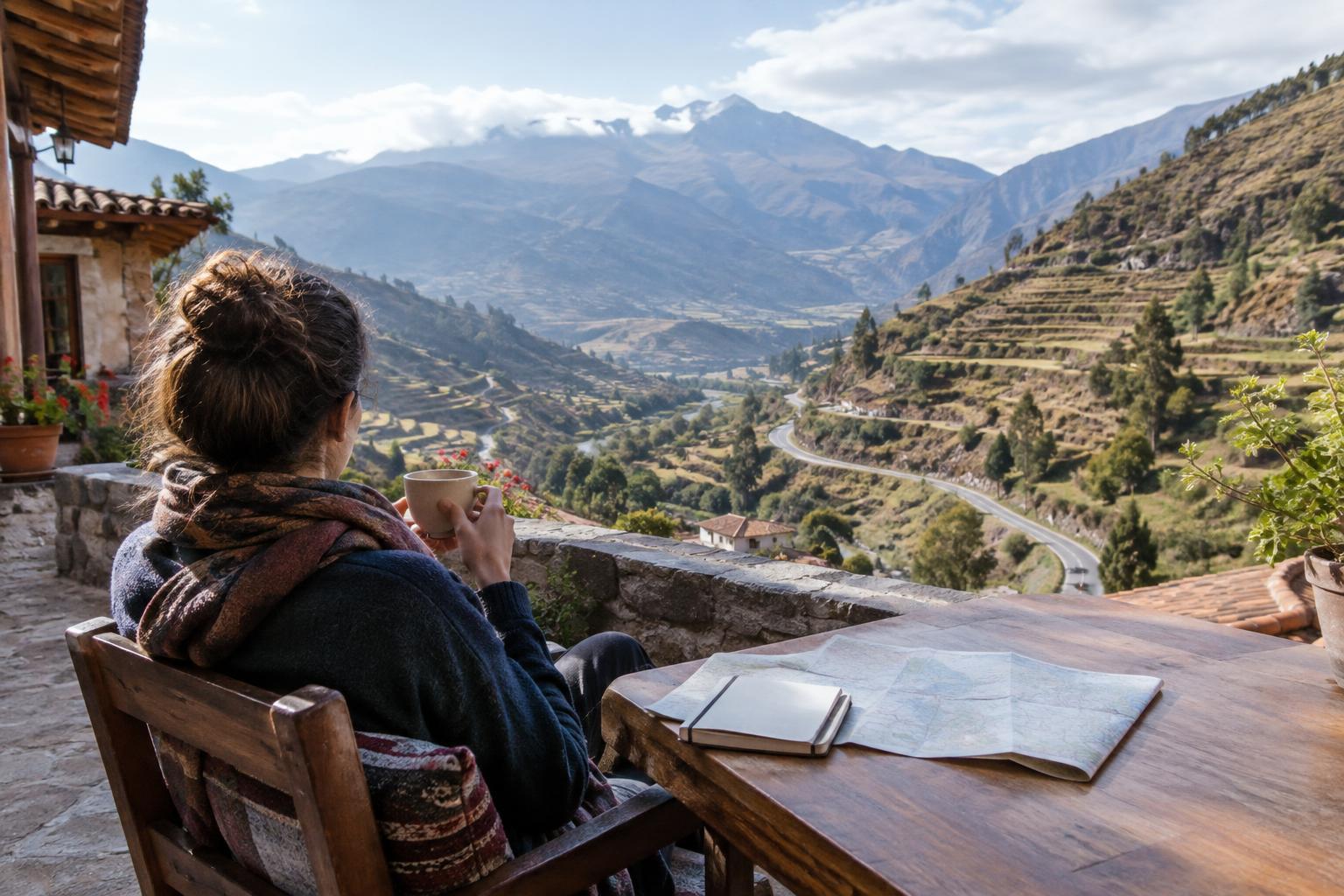
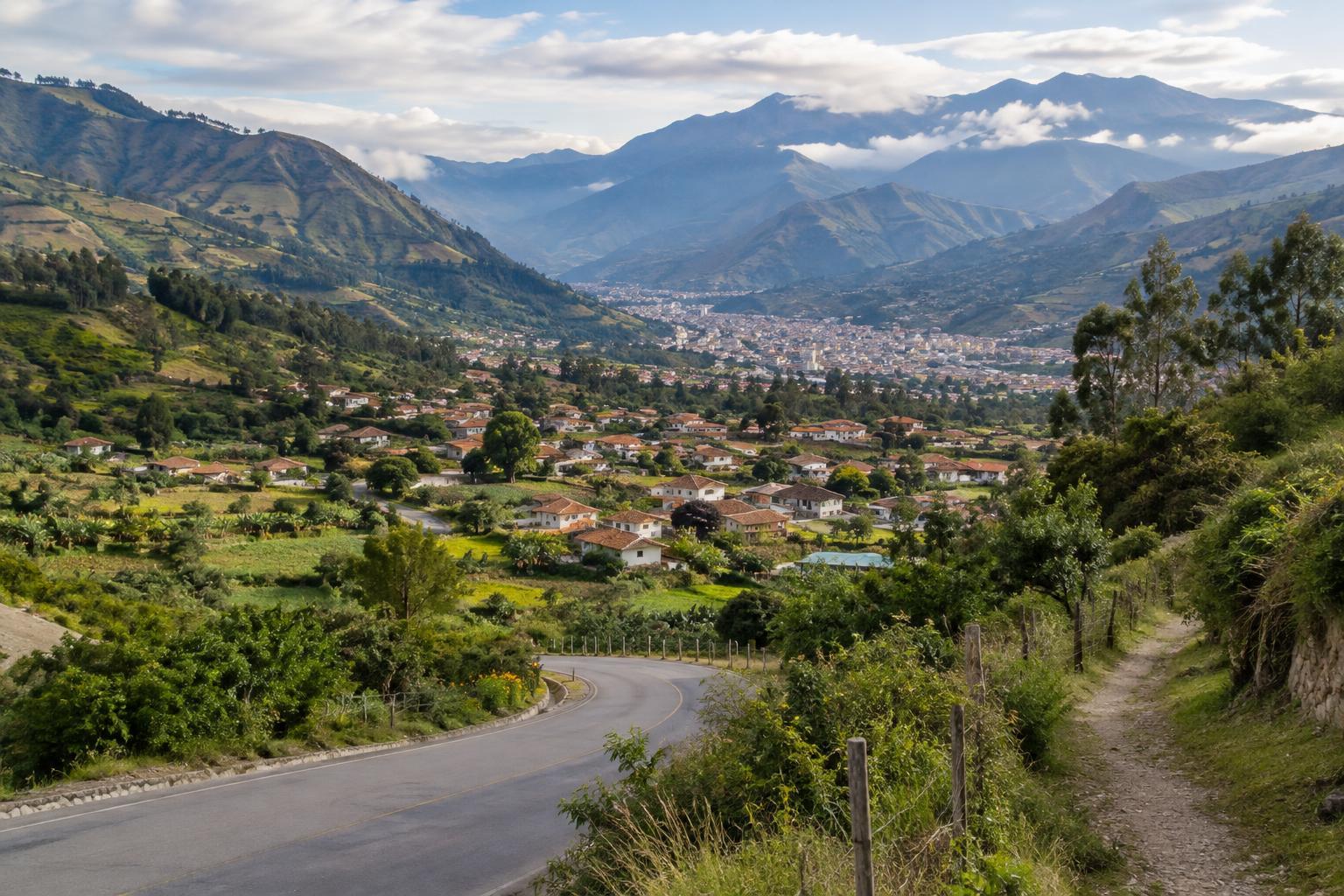
Look at a map and group potential stops into one practical area. A city or town with transport connections can make a useful base for nearby excursions. If two places look close on a map, check the actual route between them before committing: mountain roads may take indirect paths, and crossing a border can add another stage to the journey. One well-chosen region usually leaves more time to experience places than a list of distant highlights.
Keep a second-choice list rather than forcing every appealing stop into the plan. You can use it if the route works better than expected, or save it for another trip. This makes decisions easier when you discover that a particular walk, community visit or landscape needs more time than you first allowed.
Build the itinerary around a few priorities
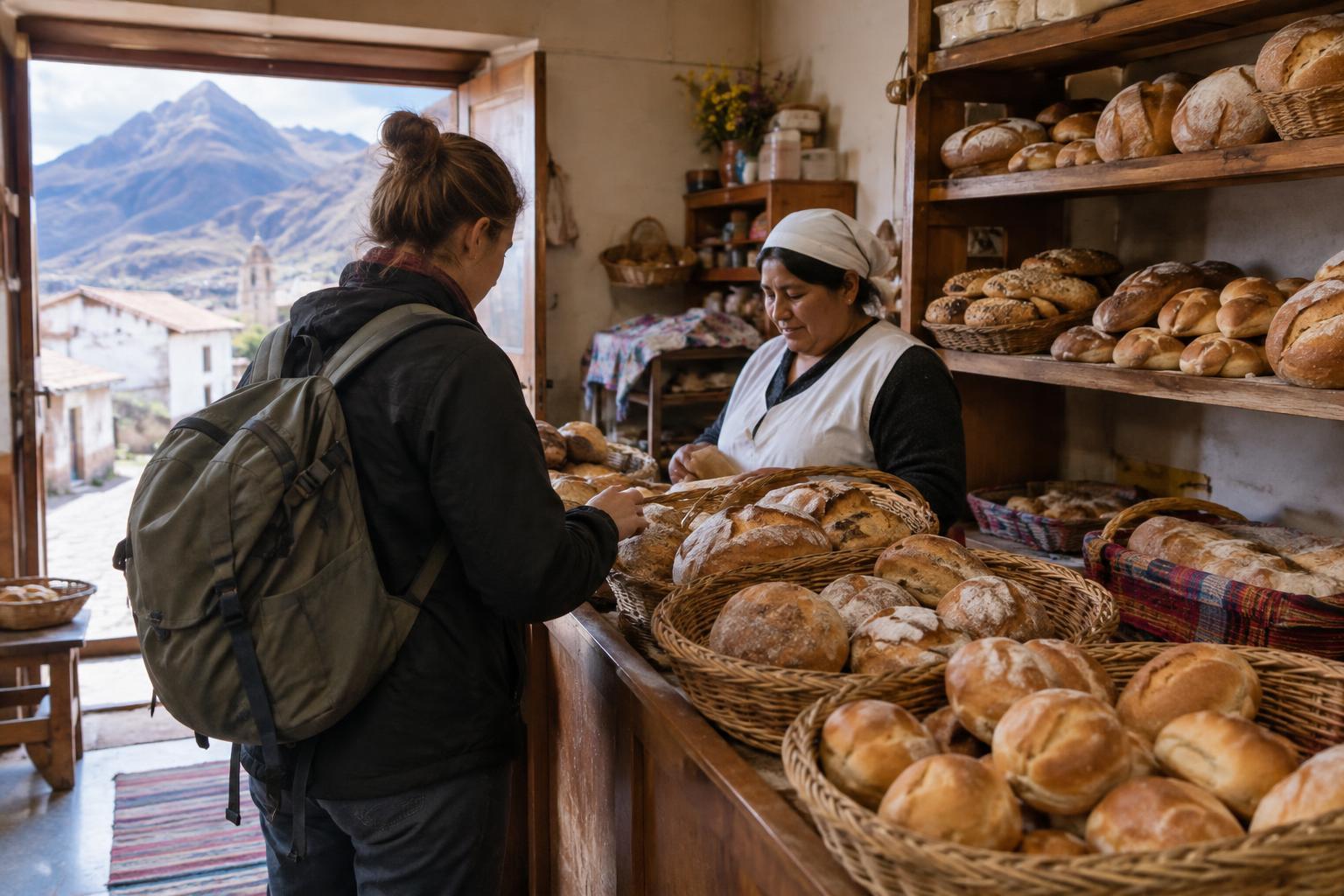
Choose two or three experiences that would make the trip feel worthwhile, then give each enough space on the calendar. If a long walk is the main event, place it where you can arrive rested and have time afterward to recover. If food and cultural traditions interest you most, allow unhurried time in a town rather than treating it as a stop between buses.
Separate essentials from optional activities. An essential might be a reserved trek or a visit that requires advance arrangements; an optional activity might be a short walk you can decide on locally. Check access requirements, opening arrangements and transport details before booking around any particular place. Where visits involve communities or working neighbourhoods, look for locally offered experiences and follow guidance about access, photography and appropriate conduct.
Give altitude and activity room in the schedule
Many Andean destinations sit at elevations that can feel very different from home. Your response to altitude is individual, so avoid assuming that fitness alone will make a rapid ascent comfortable. A gentler plan starts with lower-effort days, leaves room to rest and does not put its hardest walk immediately after arrival at a high-elevation destination. If you have health concerns or plan to travel to significant altitude, seek appropriate medical guidance before the trip.
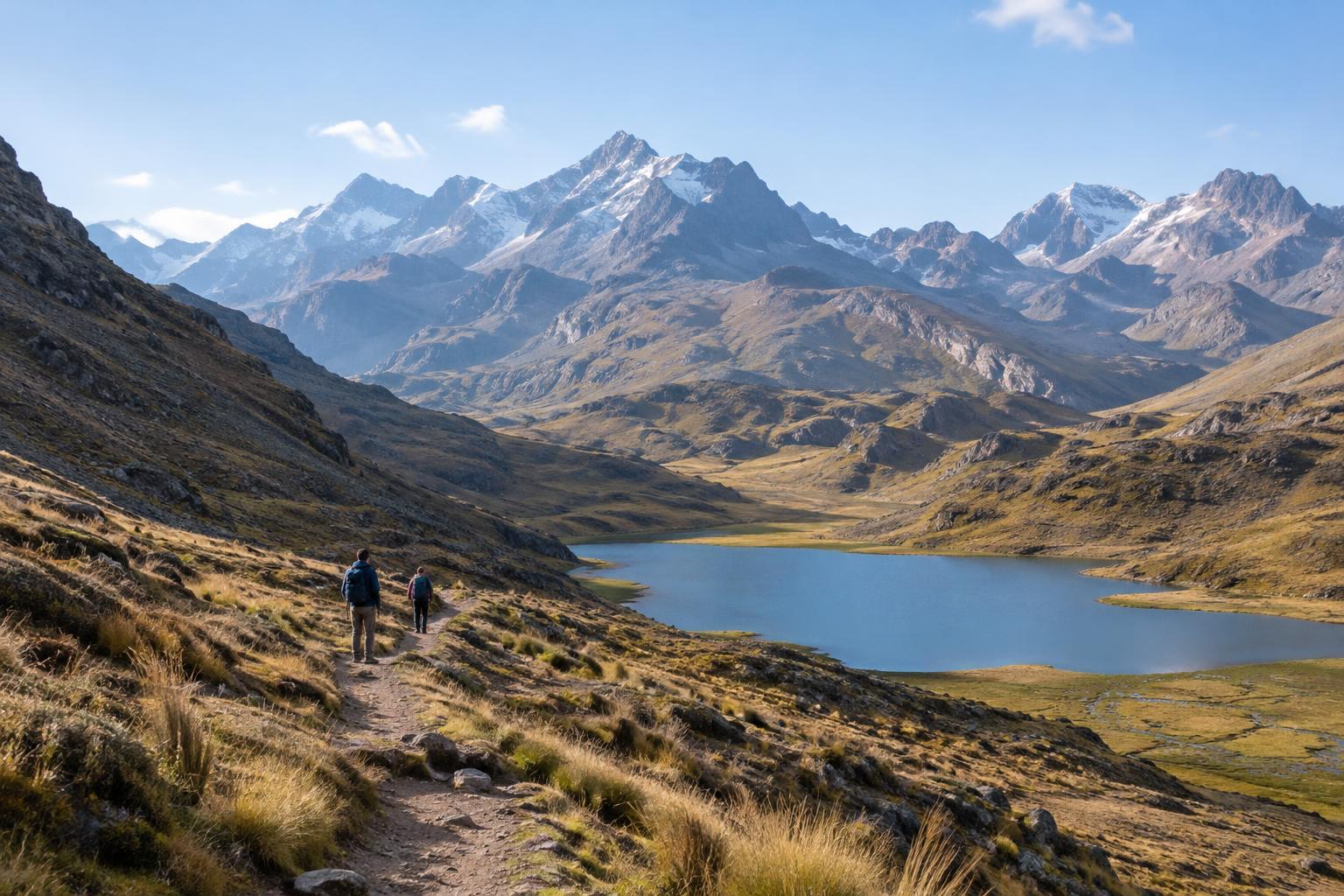
Match walking days to the effort involved, not just the distance. Steep ground, weather, elevation and uneven surfaces can all affect your pace. Check route conditions and what support or equipment a walk requires. It is reasonable to schedule a lighter day after a demanding outing; that day can still include a market, a viewpoint or a leisurely meal.
Count travel days honestly
On an itinerary draft, mark every move between overnight stops as a travel day first. A journey that sounds like a morning transfer may also involve getting to a terminal, waiting, reaching your accommodation and finding your bearings. Leave a full sightseeing day only where the transport plan genuinely allows one. For longer transfers, consider whether staying an extra night at either end would make the trip calmer.
Plan with a margin for changes. Weather can affect mountain outings, and transport connections may not line up neatly with your preferred schedule. Confirm practical details as your departure approaches, but avoid building an itinerary that fails if one connection takes longer than hoped. A spare day near an important booking or the journey home can protect the experiences you care about most.
Test the plan before you book
Read your draft from start to finish as if you were living it. How many mornings begin with packing? Do you have time to eat, adjust to a new place and enjoy an unscheduled hour? If nearly every day combines a transfer with a major activity, remove a stop. A first Andes trip does not need to be comprehensive to be rewarding.
Finally, check the sequence: arrive, settle in, build up to your most demanding plans, and finish with enough flexibility to travel onward comfortably. Book the parts that need firm arrangements, while leaving suitable space for local advice and your own energy levels. The goal is not the greatest number of pins on a map, but a route you can actually enjoy.