Give Otavalo more than a market stop
Otavalo is often treated as a day trip built around its well-known craft market. The market is worth exploring, but staying longer gives you time to notice the town beyond its stalls and to visit the highland landscapes nearby. Rather than trying to fit several stops into one rushed circuit, consider giving Otavalo two or three nights and choosing one main outing each day.
Start with a walk through the central streets and plazas. Look for places to eat, ask at your accommodation about local transport, and get a sense of how long journeys take before committing to a route. Saturday is commonly the busiest market day, while stalls may also operate on other days; opening patterns can vary. A quieter visit may leave more space to browse and speak with sellers, though it may offer a different selection.
Choose an outing to suit your pace
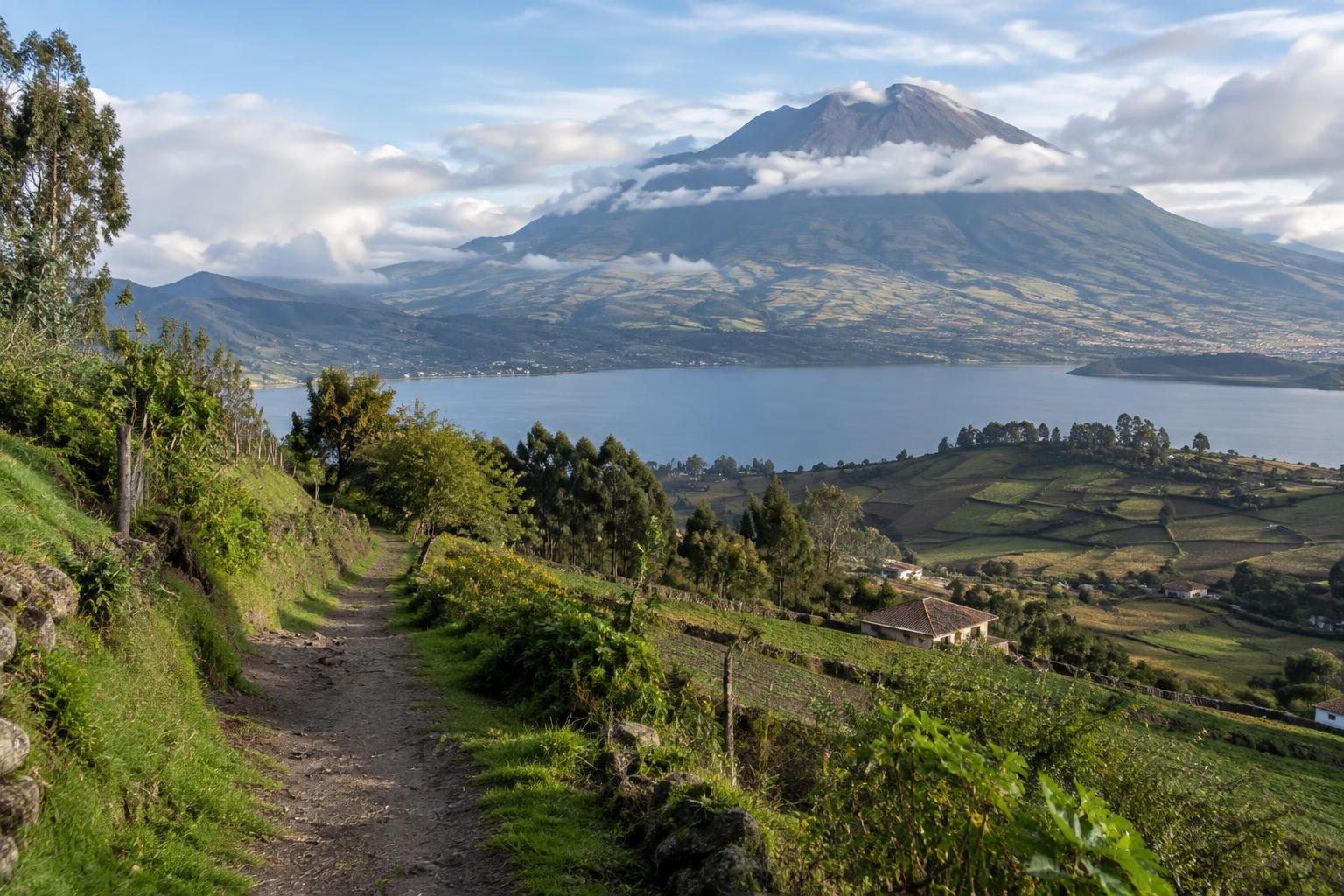
Peguche Waterfall is a popular short outing from Otavalo, with a wooded approach that makes it a manageable choice for visitors who do not want a full day of hiking. Around Lake San Pablo, you can take in views of the water and surrounding hills without committing to a strenuous trail. Both work well as flexible excursions if you want time back in town later in the day.
For a longer walk, consider the trails around Cuicocha, a crater lake near Cotacachi. The setting is exposed, and a route that looks straightforward on a map may feel harder at high elevation. Check local access and conditions before setting out, carry water and warm layers, and be willing to turn back. The Mojanda lakes offer another highland landscape, but transport and weather deserve particular attention there. Choose a route based on the conditions you find, not just the photographs that inspired the trip.
Explore nearby towns without making them checkboxes
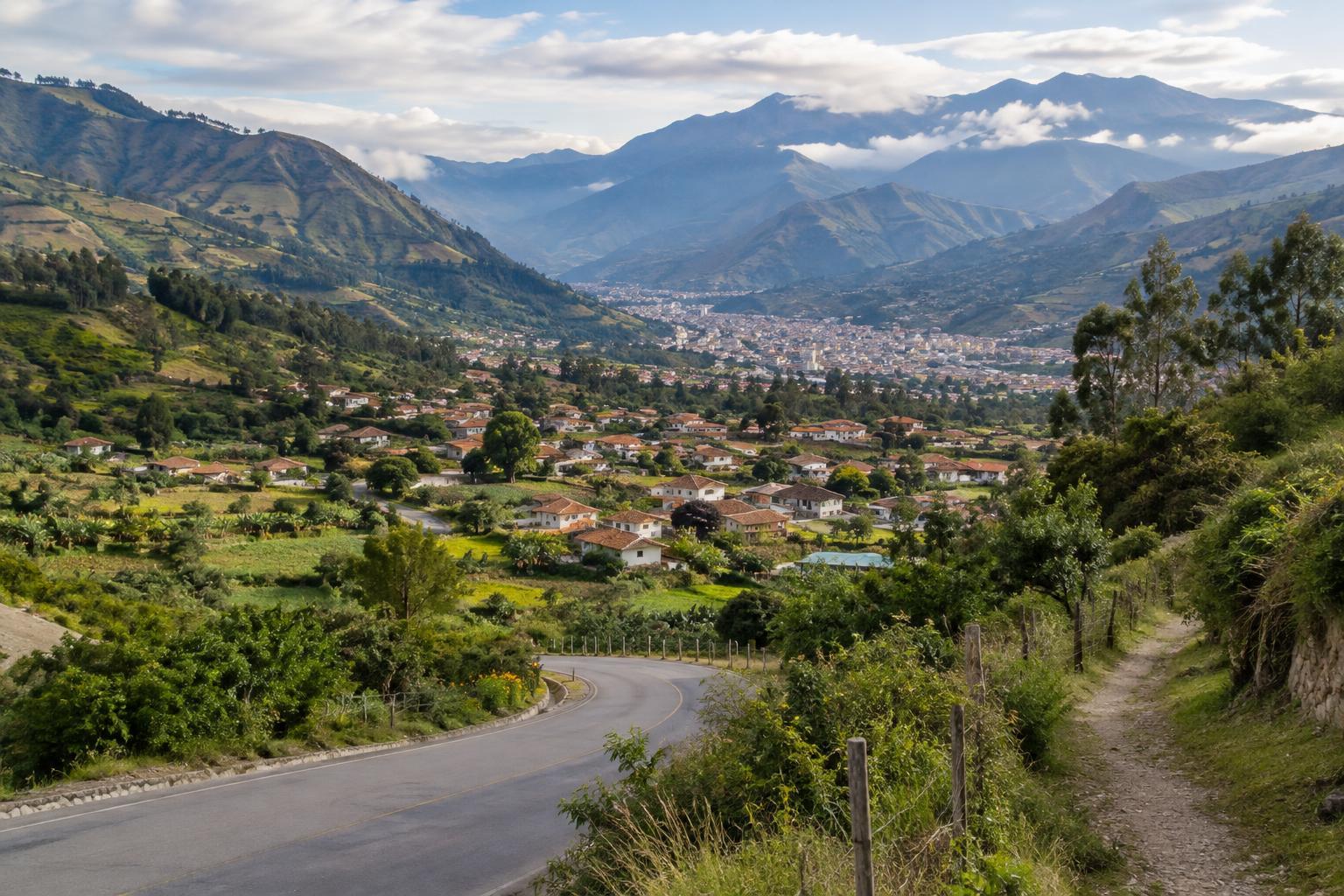
Cotacachi is close enough to pair with an Otavalo stay and is known for leather goods. If you are shopping, take time to look at how items are made and ask questions before buying rather than assuming every product has the same origin. Ibarra offers a different town atmosphere and can make a worthwhile stop if your wider route continues through northern Ecuador. Trying to see both towns and several lakes in one day, however, can leave little time to enjoy any of them.
Smaller communities around Otavalo are places where people live and work, not open-air exhibits. If you are interested in a workshop, meal or guided visit, seek an arrangement that is clearly offered by the people involved. Ask before photographing anyone, especially at work or at a market stall. Buying something you genuinely want is often a more straightforward way to support a maker than treating a conversation as a photo opportunity.
Leave room for food and everyday routines
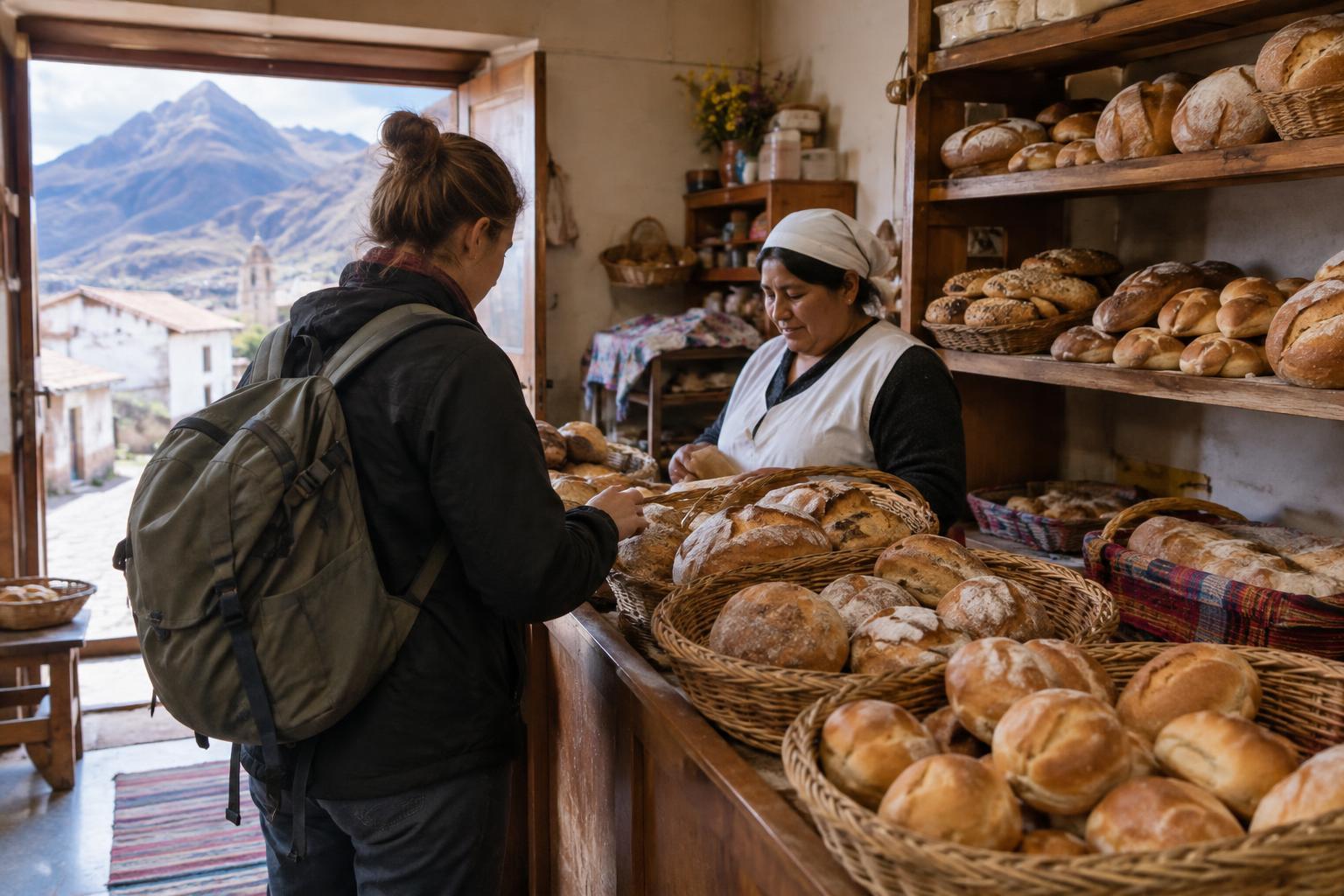
A slower schedule makes it easier to eat beyond the quickest stop near the market. Look at what local eateries are serving that day, and ask about ingredients if you have dietary needs. Across the Ecuadorian highlands, you may encounter dishes built around potatoes, corn, beans, soups or roasted meats, but menus vary by kitchen and season. Let a meal be part of the visit rather than something to squeeze between transfers.
Market shopping also benefits from time. Compare items, ask whether a seller made a piece or can tell you about its materials, and agree on a price respectfully. Not every stall sells the same type of work, and appearances alone may not tell you how something was produced. If you want to buy textiles or other crafts, leave enough space in your luggage to carry them without damage.
Build a flexible plan for the highlands
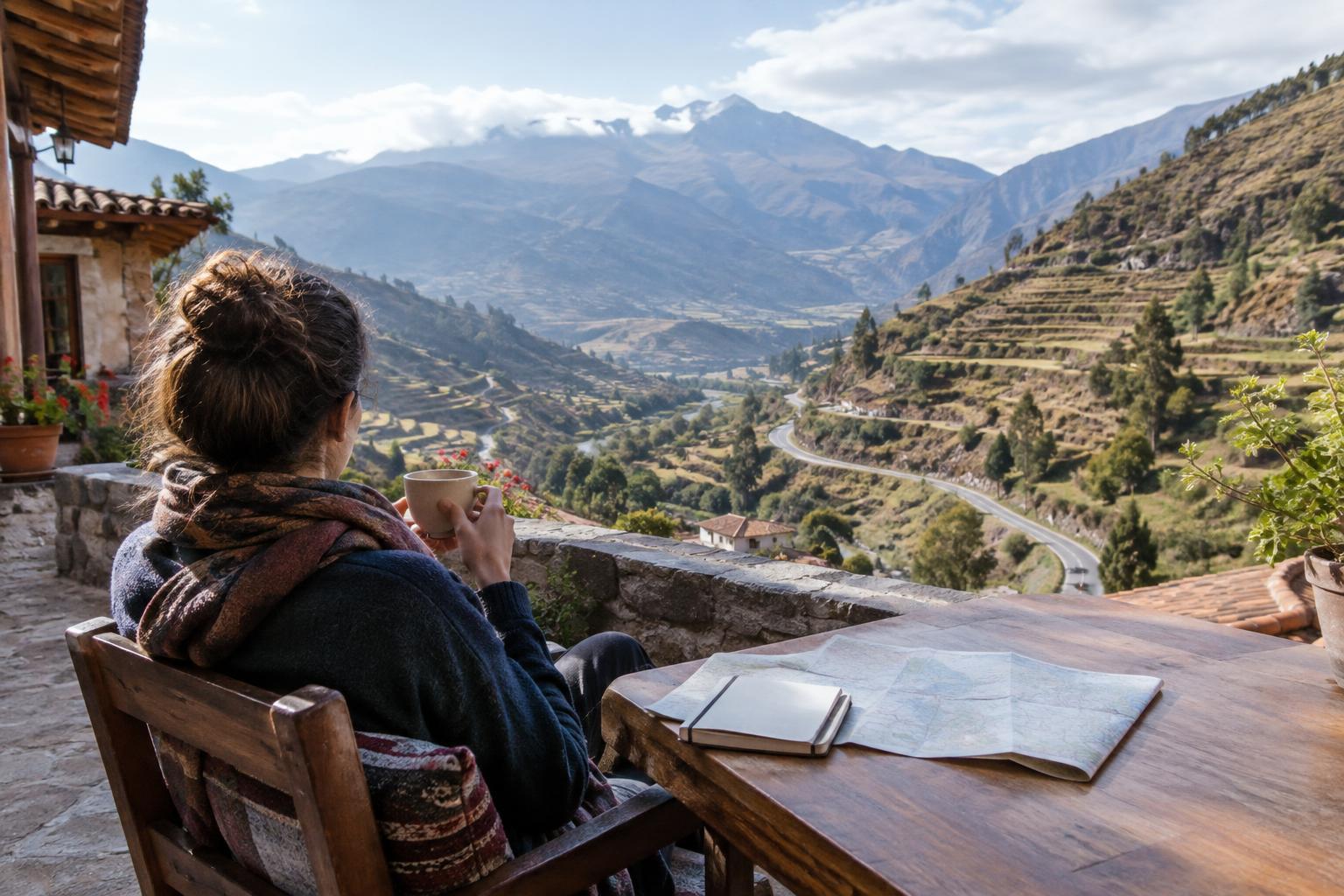
Otavalo’s elevation and the surrounding mountains can make a day feel different from one spent at lower altitude. Even if you are comfortable walking, begin with an easier outing and pay attention to how you feel. Pack layers for cool mornings, sun protection for clear spells and rain protection even when the day begins brightly. For trails, check the forecast and ask locally about access rather than assuming a route will be suitable year-round.
Public transport can connect towns in the region, while reaching some trailheads may require a taxi or an arranged ride. Confirm your return plan before leaving town, particularly if you expect to finish a walk late in the day. An itinerary with one market visit, one landscape outing and time for an unplanned stop will usually reveal more than a tightly scheduled list. Otavalo works best when the market is a starting point for curiosity, not the whole reason to pass through.