Treat every location as a new decision
The Andes cross national borders and include cities, farmland, protected areas and remote walking routes. A flight that is permitted in one place may be restricted in another. Before travelling, check the current requirements for each country on your itinerary, including any rules on registration, operator qualifications, insurance and bringing a drone across a border. Then check the rules for the particular place you hope to fly. National aviation guidance is only one part of the picture: a park, archaeological site, municipality or land manager may have separate restrictions.
Do this research while you still have time to change your plans. Use official authorities and site-management information where possible, and ask for clarification if a rule or boundary is unclear. An app or a map saved before your trip can be useful for planning, but it may not settle whether you can fly from a particular trail, viewpoint or property. If you cannot confirm that a flight is allowed, keep the drone grounded.
Ask permission without making anyone feel obliged
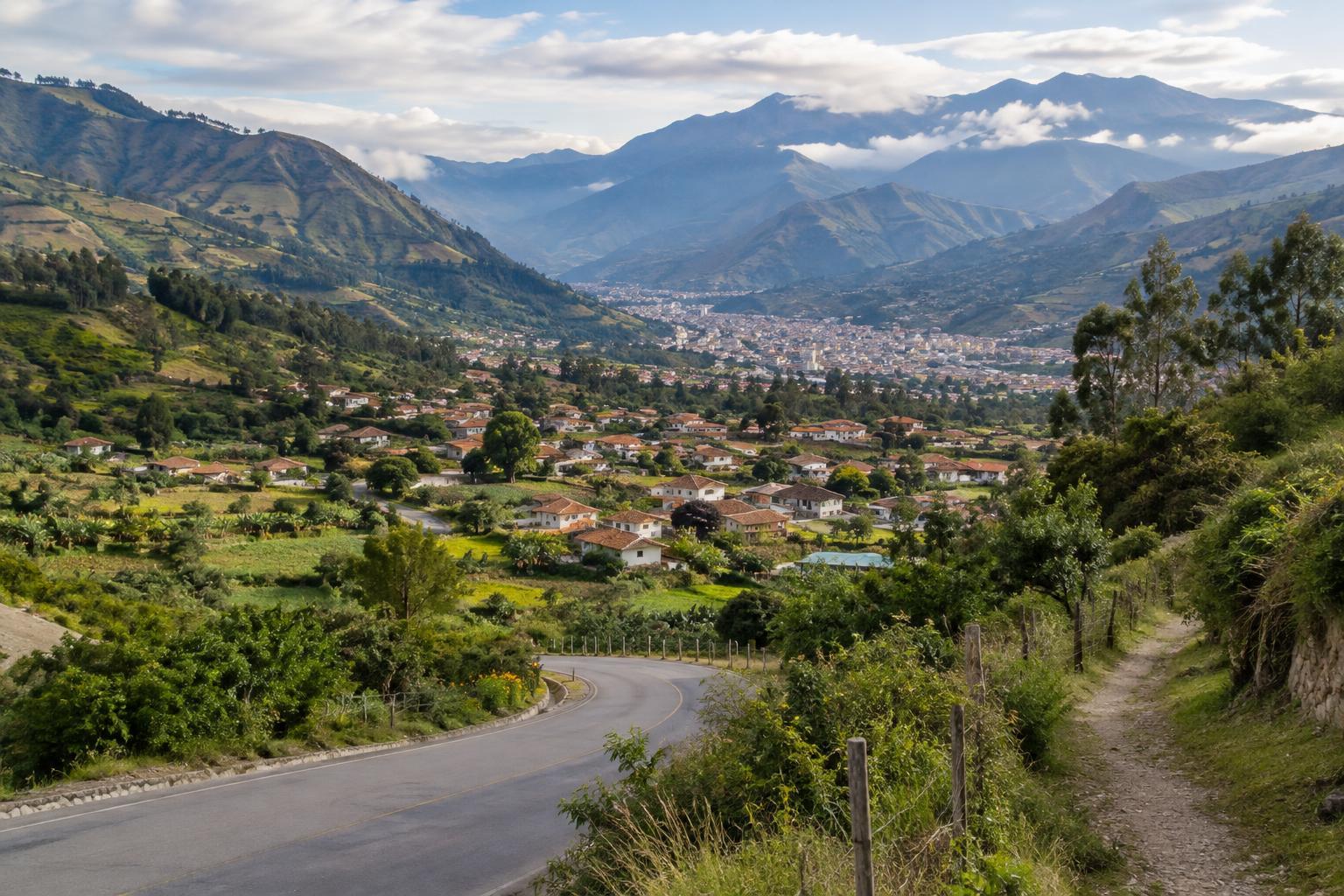
Legal permission to fly does not replace consideration for the people who live or work nearby. A quiet-looking valley might contain homes, fields, grazing areas or paths used throughout the day. Ask before taking off from someone’s land, and ask people before filming them in a way that makes them identifiable. Where a guide, host or community contact advises against flying, take that answer seriously rather than looking for a less visible launch point.
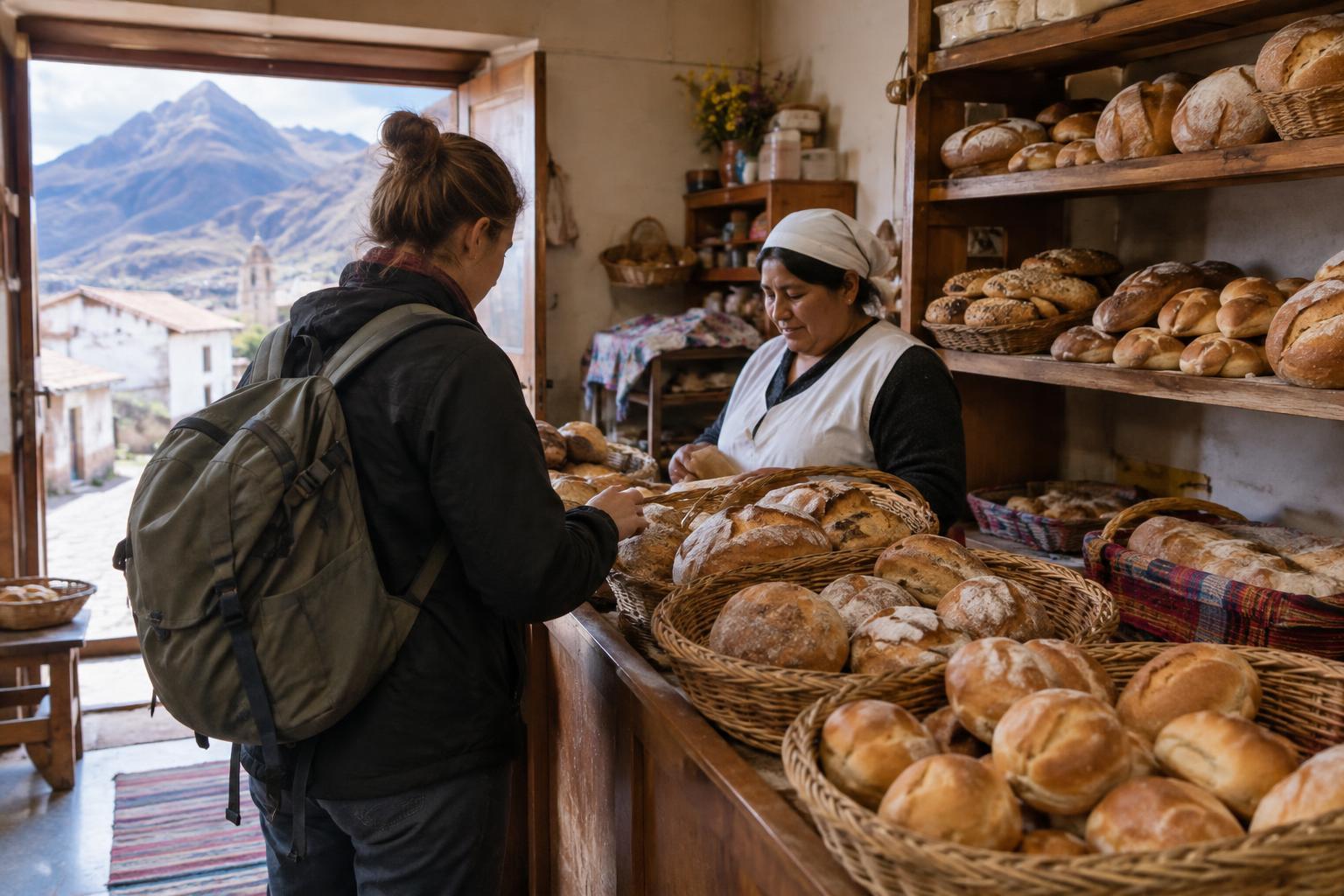
Be especially careful around ceremonies, markets, homes and places of worship. These are not simply backdrops for travel footage. Even when people are gathered in a public space, an aircraft overhead can make them feel watched. If you cannot communicate clearly enough to request consent, choose a composition that does not include people or put the camera away. A ground-level photograph taken with permission may tell a more thoughtful story.
Consider what the drone changes for others
A drone can be heard well beyond the person operating it. On a narrow trail or at a popular viewpoint, its sound may interrupt a rest, a conversation or the experience of a landscape people have travelled far to see. Before launching, pause and listen. Are other visitors enjoying a quiet moment? Is someone recording sound, leading a walk or spending time alone? You may be able to return at a quieter time, but an empty viewpoint does not automatically mean a flight is welcome.
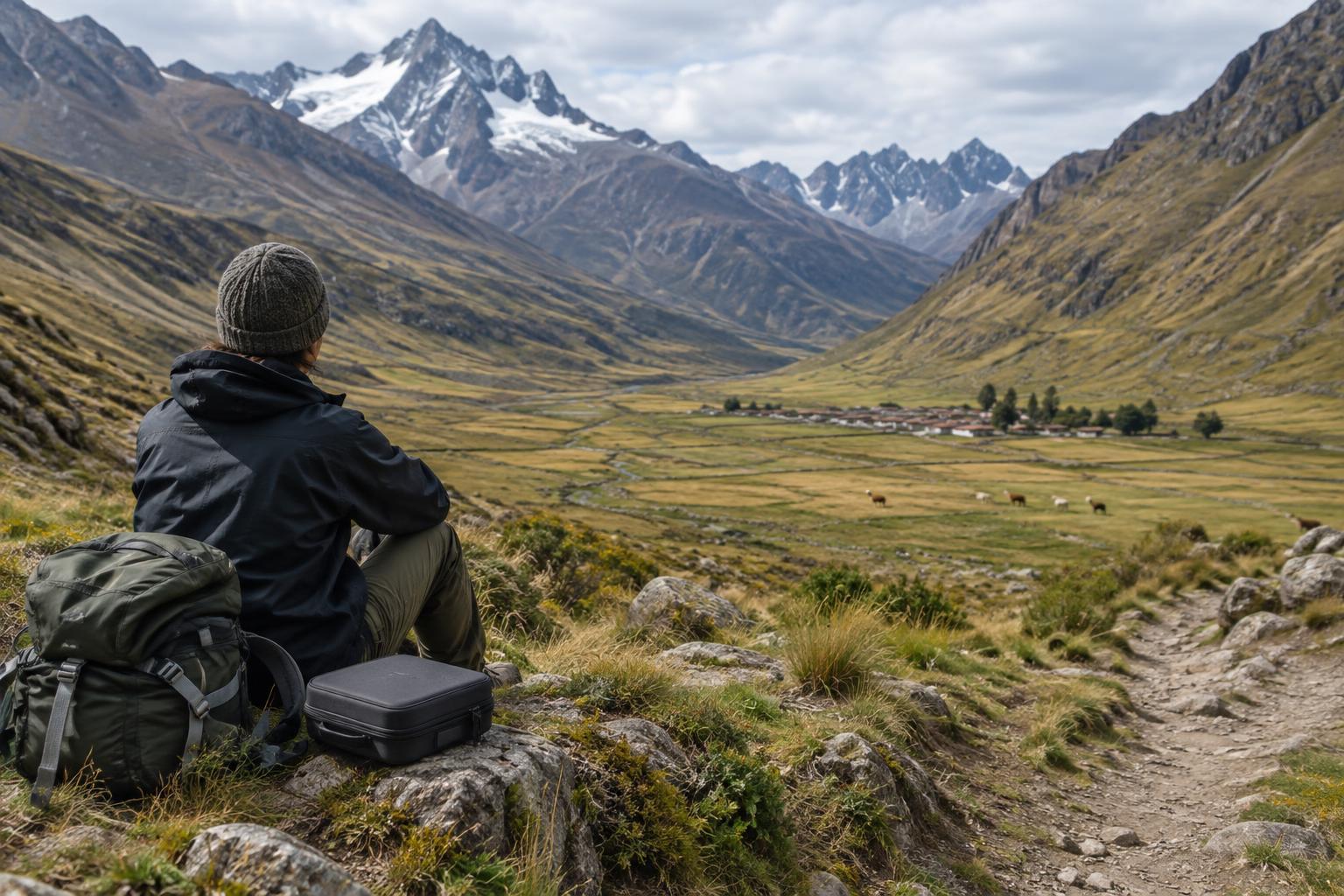
Give wildlife particular space. An animal does not need to flee dramatically to be disturbed; altered movement or attention can matter too. Avoid flying near nesting areas, roosts, herds or animals with young, and do not use the camera to pursue wildlife for a closer shot. If animals react to the drone, land promptly. The same restraint applies around livestock, where an unexpected noise or shadow may cause stress or create difficulties for the people tending them.
Plan for safe flying conditions
Mountain weather and terrain can make a short flight less predictable than it appears from the trail. Wind may differ sharply between a sheltered launch spot and an exposed ridge. Cold conditions can affect battery performance, while distance, slopes and valleys can complicate your view of the aircraft. Follow the rules that apply to your flight, keep the drone where you can see it as required, and leave a generous margin of battery power for the return and landing.
Choose a take-off and landing area that will not block a path or draw bystanders into a hazardous spot. Do not fly where a loss of control could put people, animals or property at risk. If the weather changes, visibility falls or you feel rushed to get a shot, land rather than try to finish a planned sequence. No image is worth creating an avoidable problem for other people.
Make a no-fly choice part of the plan
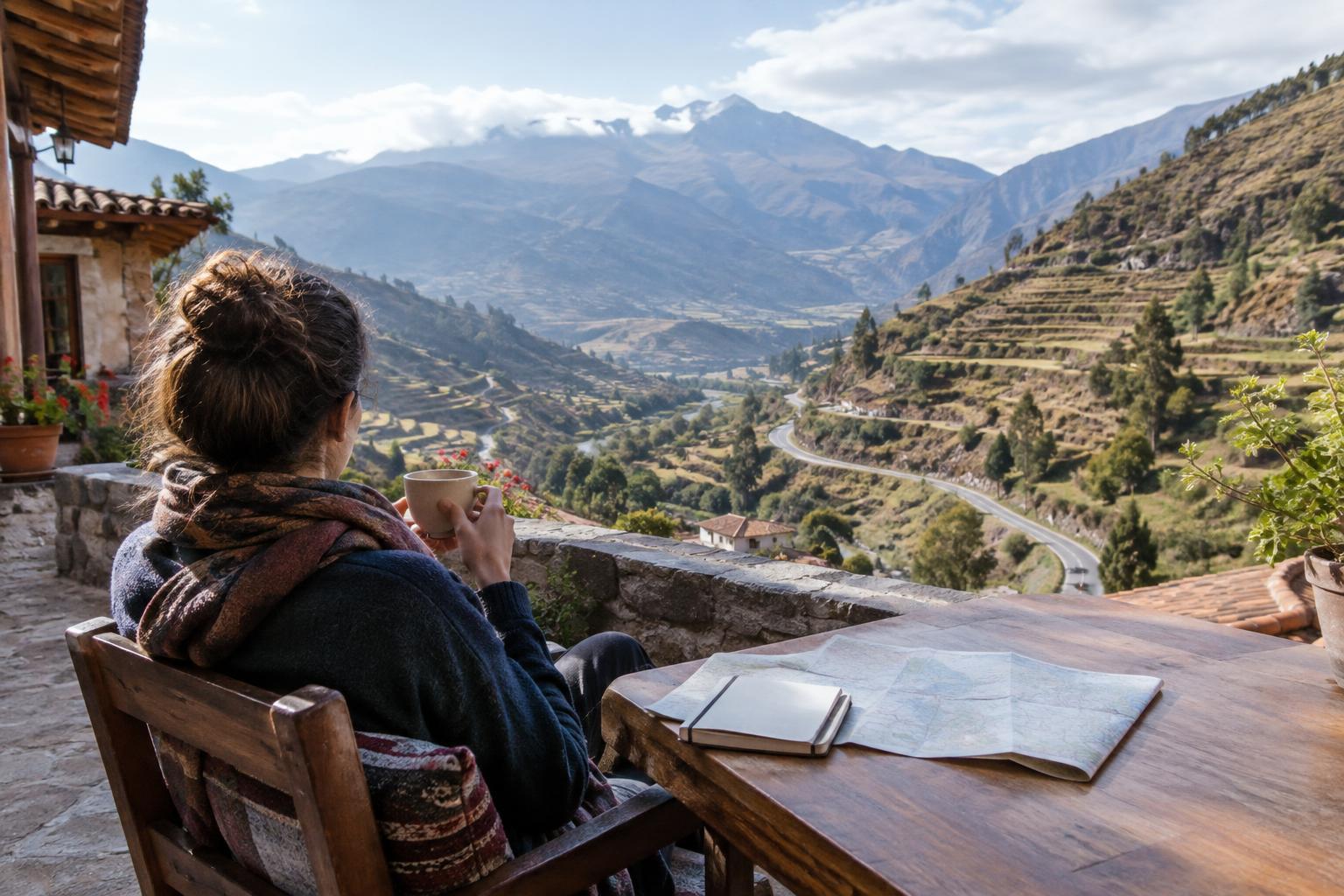
It helps to decide in advance what would make you leave the drone in its case: uncertain permission, nearby homes, sensitive wildlife, crowded trails or conditions beyond your comfort level. That turns a no-fly decision into ordinary trip planning rather than a disappointment to negotiate on the spot. You can still document the journey with a handheld camera, a sketch or notes about the sounds and details that aerial footage would miss.
Responsible drone use is about more than staying within a rule. It means recognising that the people sharing a place with you did not necessarily choose to share it with a camera in the sky. Check first, ask when appropriate, fly sparingly where permitted and be willing to stop. The best souvenir of a flight is footage you can enjoy without wondering what it cost someone else.