Check the rules for both sides of the border
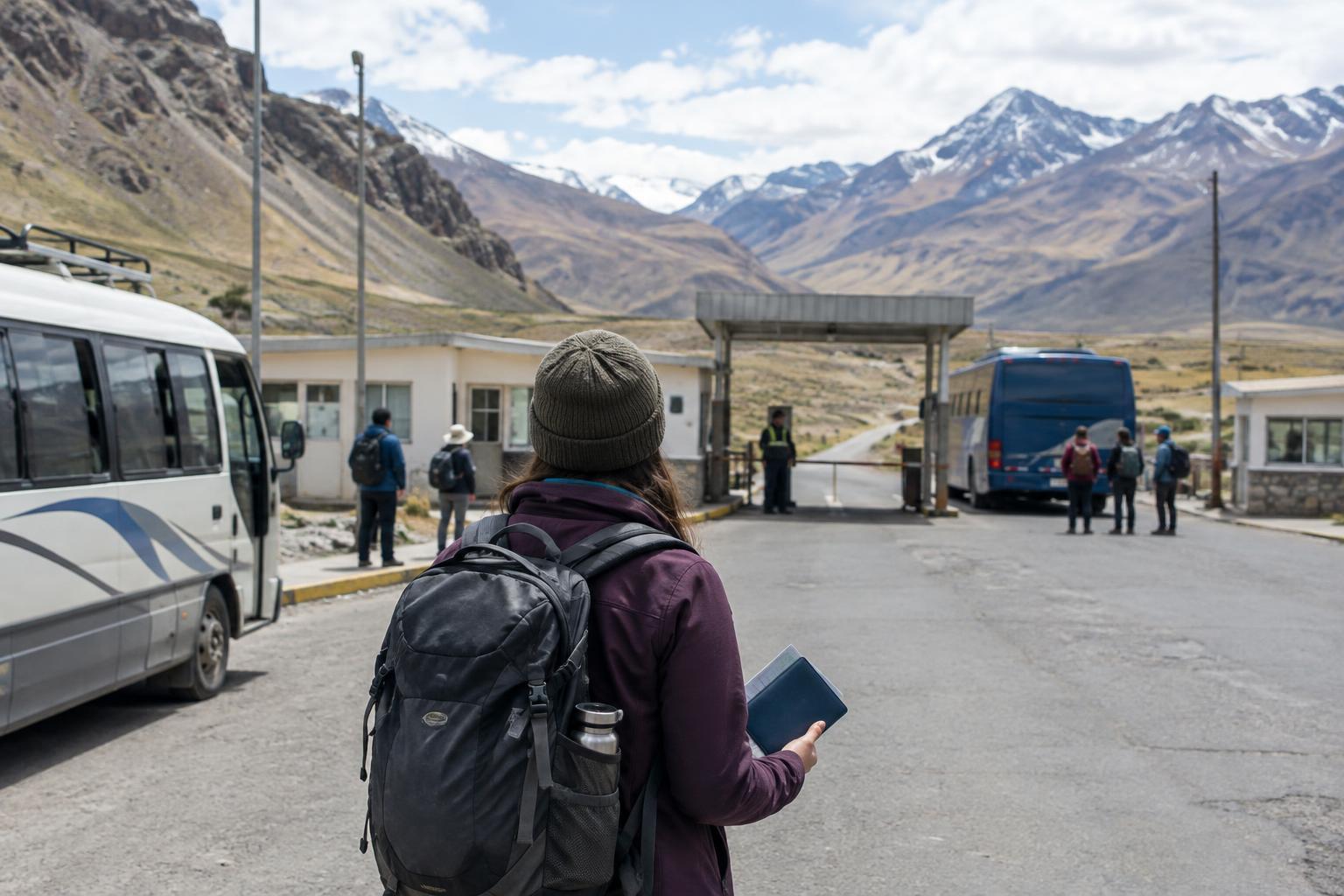
A land crossing is not simply the point where one country ends and another begins. You may need to complete an exit procedure, travel a short distance, then complete a separate entry procedure. Requirements depend on your passport, destination, route and reason for travel, so check official immigration and consular guidance for both countries before setting out. Confirm whether you need a visa or other authorisation, how long you may stay and whether your passport must have a particular period of validity remaining.
Keep your passport accessible rather than buried in a bus luggage hold. It can also help to have your accommodation address, onward travel details and any documents relevant to your entry conditions available offline. If an official provides a paper slip or receipt, keep it with your passport; if entry is recorded electronically, make a note of the date and permitted stay. Before leaving the counter, check that you understand whether your exit and entry procedures are complete. Do not assume that boarding a through-bus means the transport company has handled immigration for you.
Plan for a change of vehicle
A ticket to a town across the border does not always mean you will remain on the same bus throughout. Some services wait while passengers complete formalities; others finish near the border, where you continue on foot, by taxi or on a different bus. Ask the operator where you will get off, whether your checked bag stays with the vehicle and where to meet it afterward. Keep essential medication, water, warm clothing and valuables in your hand luggage in case the stop takes longer than expected.
If you need onward transport, identify a reasonable backup before departure. Border towns may have limited departures, and the last useful connection may leave earlier than you expect. Allow enough time to find the correct stop without rushing through official procedures. Where an overnight stay is possible, save the address of a nearby accommodation option. A flexible first day across the border is usually easier to manage than a tightly timed chain of buses.
Allow time for ordinary delays
Queues can form at either immigration office, particularly when several buses arrive together. Officials may also need extra time to review a document or ask routine questions. Opening hours and procedures can vary by crossing, and roads may be affected by weather or other disruptions. Treat any journey time quoted by a transport company as an estimate, not a promise of when you will be free to continue.
Build a buffer into plans that depend on your arrival, especially flights, guided departures or accommodation with a strict check-in window. Starting early can give you more options if a connection falls through, though it will not prevent every delay. If you are travelling through high-altitude or remote areas, pack for the conditions you might face while waiting rather than only for the temperature inside the bus.
Handle money, bags and questions calmly
Carry a modest amount of money you can use soon after arrival, while avoiding an unnecessary exchange at the first counter you see. Check how you will pay for a local transfer, food or a replacement ticket if card payment is unavailable. Keep bags where you can see them while queuing, and make sure you have gathered everything before leaving a vehicle or office. If you are unsure whether a charge is official, ask what it is for and request a receipt where appropriate.
Answer border questions clearly and truthfully. If you do not understand an instruction, ask for it to be repeated rather than guessing. Rules for carrying food, plants, medicines or other goods may differ between countries, so check customs guidance in advance and declare items when required. Photographing officials, buildings or checkpoints may be restricted; put your camera away unless you know it is permitted.
Make the crossing one part of the journey
A little preparation makes a border day less stressful: confirm the crossing you intend to use, save key documents for offline access, check your transport plan and leave room for changes. Share your likely arrival time with anyone expecting you, but let them know it is approximate. If a route involves a long wait or an unfamiliar transfer, choosing daylight travel may make signs, transport connections and accommodation easier to navigate.
Border towns are places where people live and work, not just obstacles between destinations. Be patient with staff and fellow travellers, follow posted procedures and avoid blocking entrances while sorting your bags. Once you have completed both sides of the crossing, pause to check your documents and your next departure. That simple final check can save confusion later in the trip.