Plan for more than one way to pay
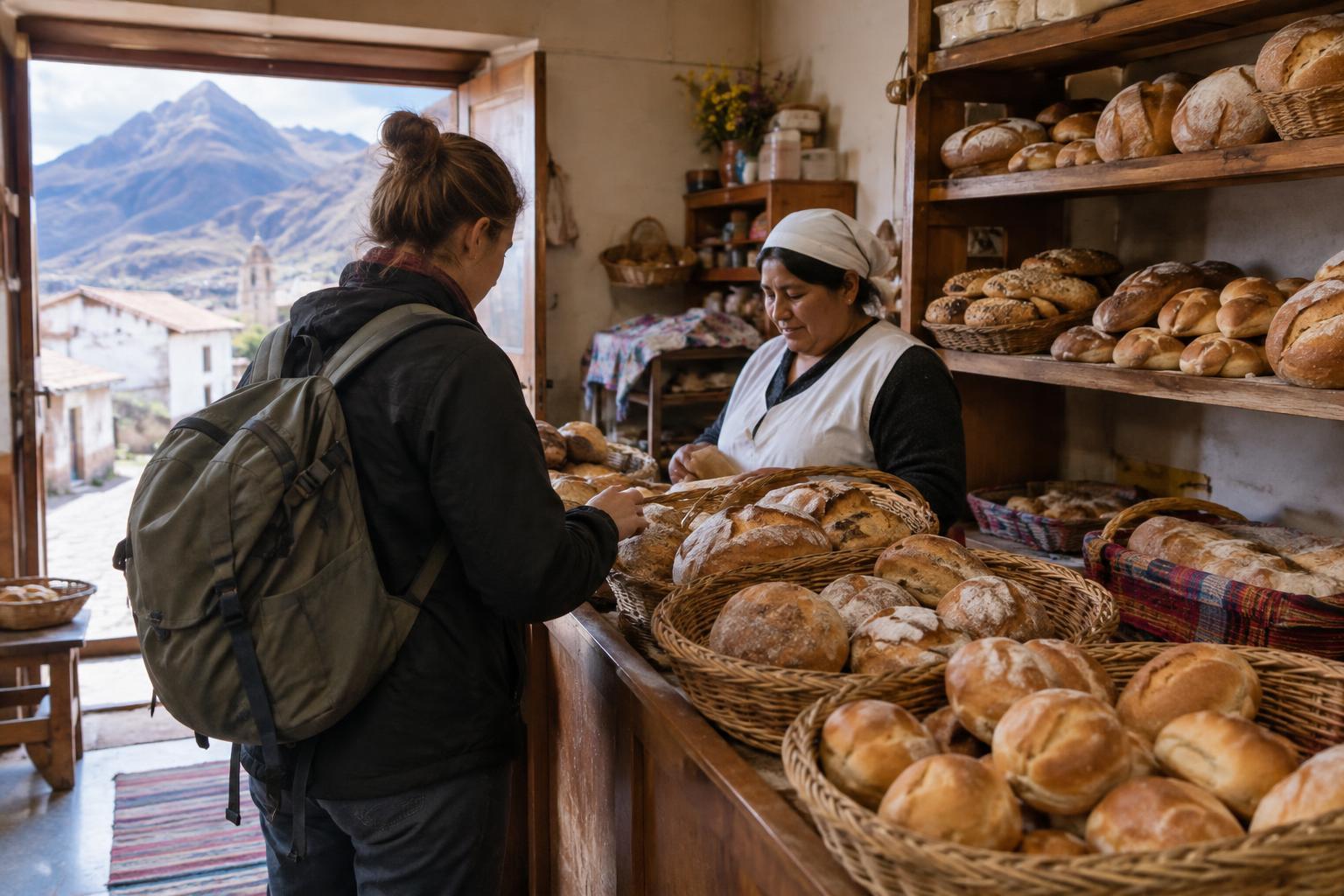
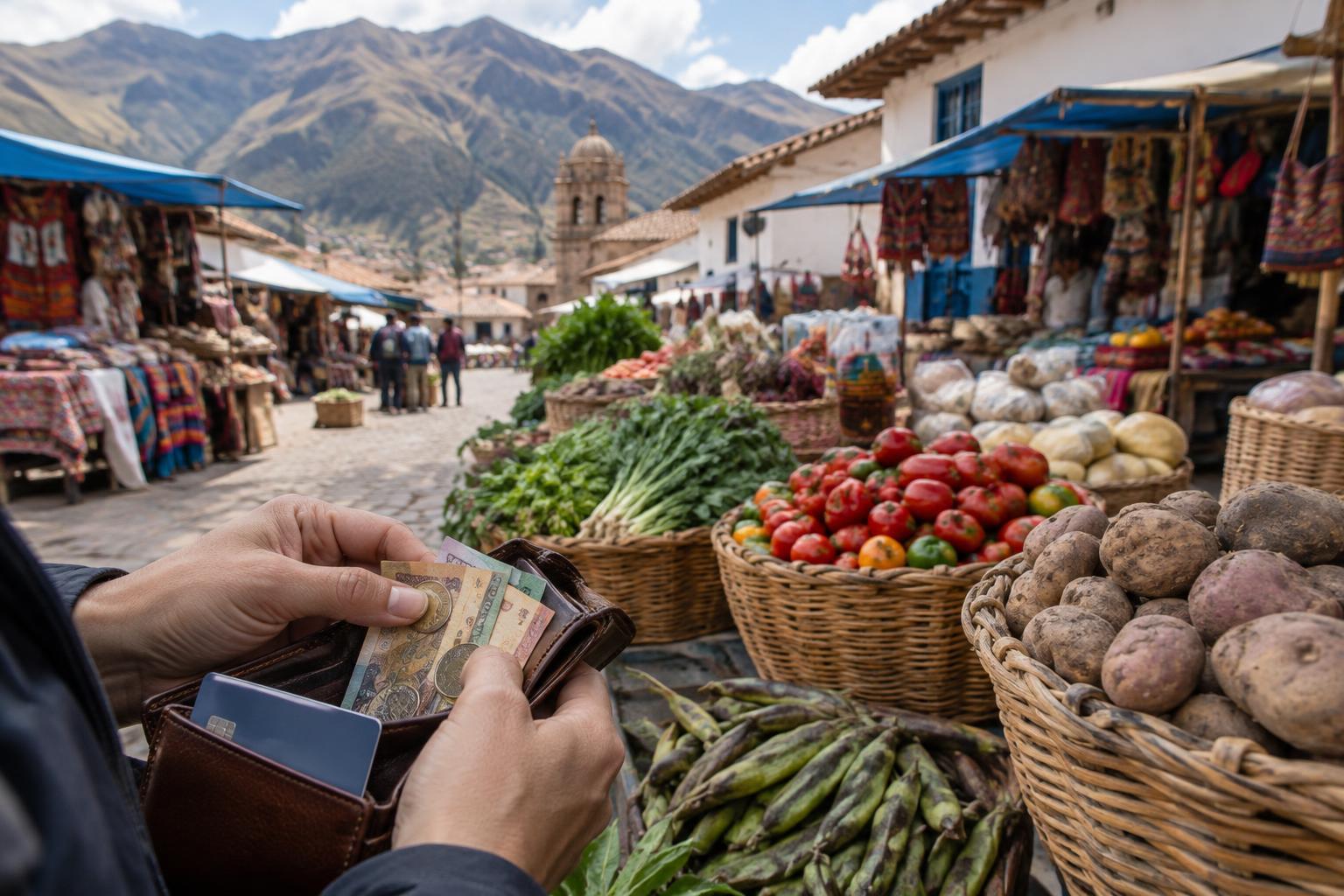
The simplest payment plan for an Andean trip is a combination: a card for larger purchases, local cash for everyday spending and a backup kept separately. In a major city, a hotel or established restaurant may accept cards, while a market stall, shared taxi or small café may prefer cash. In smaller towns, card acceptance can be less predictable, and an advertised card machine may not always be working.
Payment habits vary by country, town and business, so avoid treating the Andes as one banking region. Check which currency each country on your route uses, especially before crossing a border. A card may help with a booking or a larger bill, but it will not replace cash everywhere. Equally, carrying your entire trip budget in banknotes creates an avoidable loss risk.
Arrive with a small cash buffer
Before travelling, check whether you can obtain a modest amount of your arrival country’s currency. If that is impractical, make a plan for your first withdrawal after landing and keep enough flexibility to reach your accommodation if an ATM is unavailable. Confirm how you will pay for any prearranged transfer rather than assuming the driver can take a card or give change.
Once settled, try to keep a mix of smaller notes and coins. Small purchases can be awkward if you offer a large note, particularly early in the day or in a quiet village. Larger shops can be useful places to break a note when making a genuine purchase. Keep your spending money accessible, but store the rest separately; discreet handling is more useful than repeatedly counting a thick bundle in public.
Use ATMs deliberately
ATMs are often the easiest way to obtain local currency in cities and larger towns, but access may thin out as a route becomes more rural. If you are heading to a trailhead or a small settlement, withdraw enough beforehand for your expected food, transport and accommodation costs, plus a reasonable margin. Do not assume the next town will have a working machine or that it will accept your particular card.
Choose a machine in a well-lit, staffed location when possible, shield your PIN and put your cash away before moving on. Check the machine’s prompts: it may show a withdrawal fee, offer to convert the transaction into your home currency or impose a per-transaction limit. Paying in the local currency generally lets your own card provider handle conversion, but review your provider’s terms before departure. If a machine fails to dispense cash yet your account shows a charge, keep the receipt or transaction details and contact your card provider.
Check card costs and keep a backup
Before departure, review your card’s overseas purchase fees, cash-withdrawal fees and exchange-rate terms. Your bank may also set daily withdrawal limits, and a cash advance on a credit card can have different costs from a debit-card withdrawal. Checking these details at home is easier than discovering them while trying to pay for a room.
Carry a second payment method if you can, ideally stored apart from your main wallet. Make sure you can access your banking app and any card-verification messages while travelling; a payment can be difficult to approve if it relies on a phone number you cannot use abroad. Know how to freeze a lost card, and keep essential account-contact details somewhere secure that does not depend on the card itself.
Match your cash to the next leg of the journey
Review the next few days of your itinerary whenever you leave a larger town. Ask an accommodation provider or transport company which payment methods they accept, and confirm whether the quoted price is in local currency. For a guided walk or a stay in a smaller community, clarify what has already been paid and what you will need to pay locally. Bring suitable notes rather than expecting someone to find change for a large bill.
For cross-border travel, spend down small leftover notes and coins where practical instead of assuming they can be exchanged easily later. Keep a little of the current country’s currency for the journey to the border, and plan how you will obtain the next currency after crossing. A flexible payment plan is not about predicting every expense: it is about having enough cash for the places that need it, without relying on a single card, machine or assumption.