Start with the kind of day you want
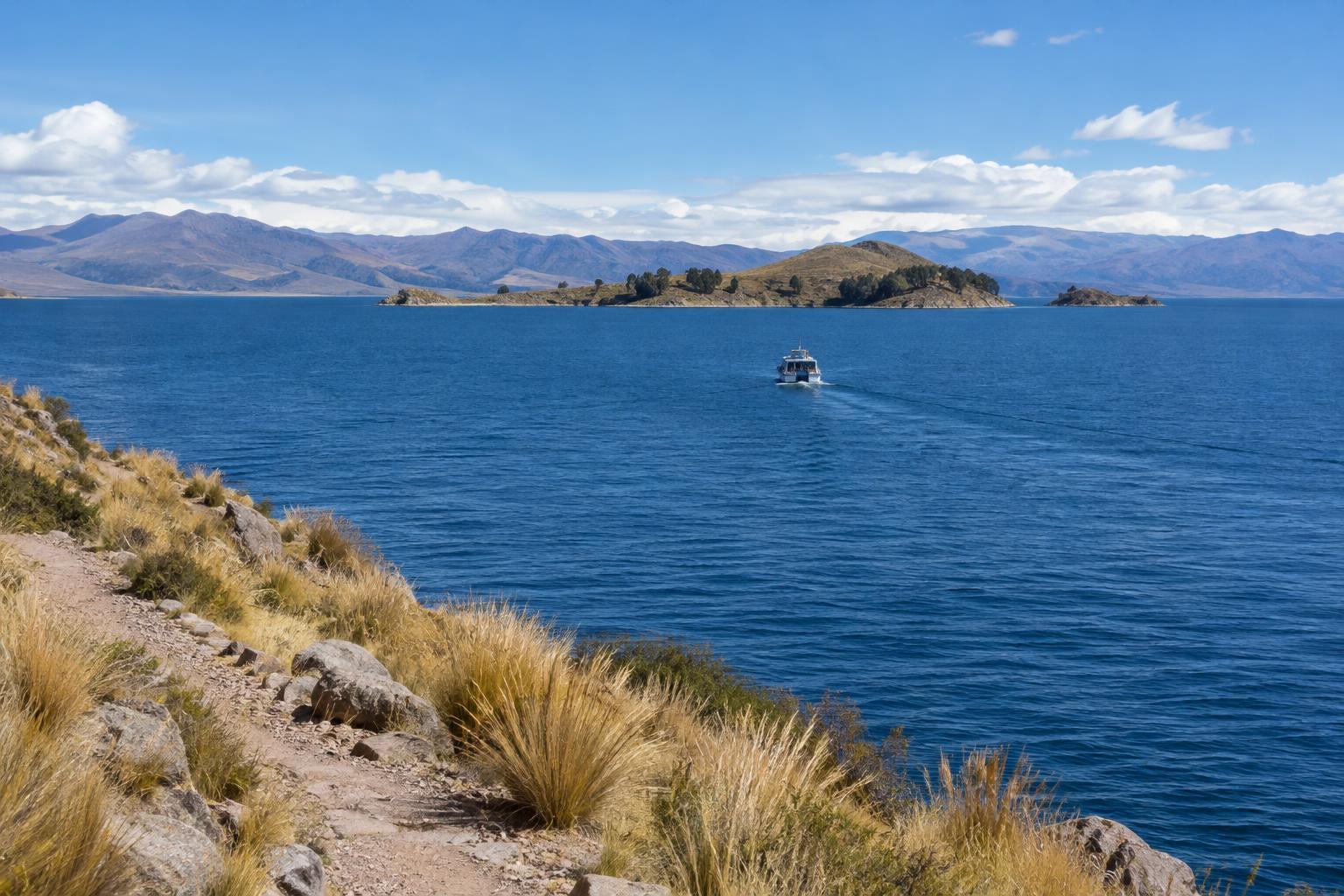
Puno is a convenient base for exploring the Peruvian side of Lake Titicaca, but the lake is too large and varied to treat as a single attraction. A short visit might pair time in town with one boat trip. With an extra day, you can choose between a slower island stay and places reached by road along the shore. The best plan is not necessarily the one with the most stops; it is the one that leaves enough time to notice where you are.
Before booking, decide whether you most want to be on the water, walk through a village, see a historic site or simply enjoy the shoreline. Boat trips can take up much of a day, and shared excursions may follow a set schedule. Mainland visits can offer more flexibility, especially if you would rather avoid a long crossing. Allow some uncommitted time in Puno, too: its waterfront, markets and streets give you a useful sense of the city that serves as your starting point.
Mainland stops offer a different view of the lake
The shores around Puno reward travelers who look beyond the departure pier. Chucuito is an option for a short outing, with a small-town setting and views toward the water. Farther south, Juli can suit a day focused on town streets and historic buildings, though travel time matters if you are returning to Puno that evening. Check transport arrangements before setting out, rather than assuming that every stop is easy to combine in one day.
For a more rural stay near the lake, consider the Capachica Peninsula. Villages such as Llachón can make a good base for shoreline walks and a quieter pace, provided you arrange your arrival and onward journey. Sillustani is another common excursion from Puno, but it is not on Lake Titicaca: its funerary towers stand beside Lake Umayo. It is worth distinguishing the two when choosing between archaeological interest and time beside Titicaca itself.
Match an island visit to your available time
The Uros floating islands are often the easiest island visit to fit into a limited schedule from Puno. An excursion can introduce visitors to the islands’ reed construction and to the people who live and work there. Experiences vary, however, and a brief stop may feel more like an introduction than an opportunity for sustained conversation. Ask what the visit includes and whether any activities or purchases are optional.
Taquile is a different choice, with paths, lake views and textile traditions for which its residents are known. Reaching it generally means a longer day on the water, so consider how much time the itinerary allows on the island itself. Amantaní is commonly included in overnight trips, often with a family stay. Accommodation, meals and activities can differ between arrangements; ask for specifics rather than assuming every homestay follows the same pattern. An overnight visit may offer a less hurried rhythm, but it still calls for sensitivity to your hosts’ time and privacy.
Make the journey fit your pace
Lake Titicaca sits at high altitude, and even an easy-looking walk can feel demanding if you have arrived recently. Keep your first day flexible, take climbs at a comfortable pace and avoid building an itinerary around tight connections. Conditions on the lake can also affect how a boat journey feels, so pack layers and be prepared for sun, wind and cooler moments on deck.
When comparing trips, ask where the boat departs, how long you will spend traveling, which places are included and how much time is allowed at each stop. Confirm what is covered in the price, including meals, local entry charges and onward transport. If a walk or overnight stay is part of the plan, ask about the terrain and facilities. These questions are more useful than choosing solely by the number of destinations listed.
Visit with curiosity and respect
The communities around Titicaca are not interchangeable, and no short visit can sum up daily life there. Listen to how hosts describe their own home and traditions, and ask before photographing people, houses or ceremonies. If a demonstration or market stop is included, you can engage without feeling obliged to buy; if you do purchase something, be clear about the price first.
Stay on established paths where appropriate, carry your rubbish away and use water thoughtfully during an overnight stay. Whether you choose a mainland village, a floating island or a longer boat journey, leave room for the place to be more than a checklist stop. A manageable itinerary gives you a better chance to appreciate both the landscape and the people who welcome visitors to it.


