A path is not always an invitation
Walking through farmland and villages can be one of the most rewarding ways to experience an Andean landscape. Trails may link homes, fields, grazing areas and markets rather than exist primarily for recreation. That everyday purpose is worth remembering: a route that looks obvious on the ground may cross land where visitors need permission, or lead somewhere residents would not expect strangers to go.
Do not treat a line on a map, a GPS track or an open gate as proof of public access. Rules and customary arrangements vary between places, and a route described by another traveler may have depended on permission given at the time. Before setting out, ask locally about the specific walk you intend to take. A place to stay, visitor information point or knowledgeable local guide may help you identify established routes and understand where access is uncertain.
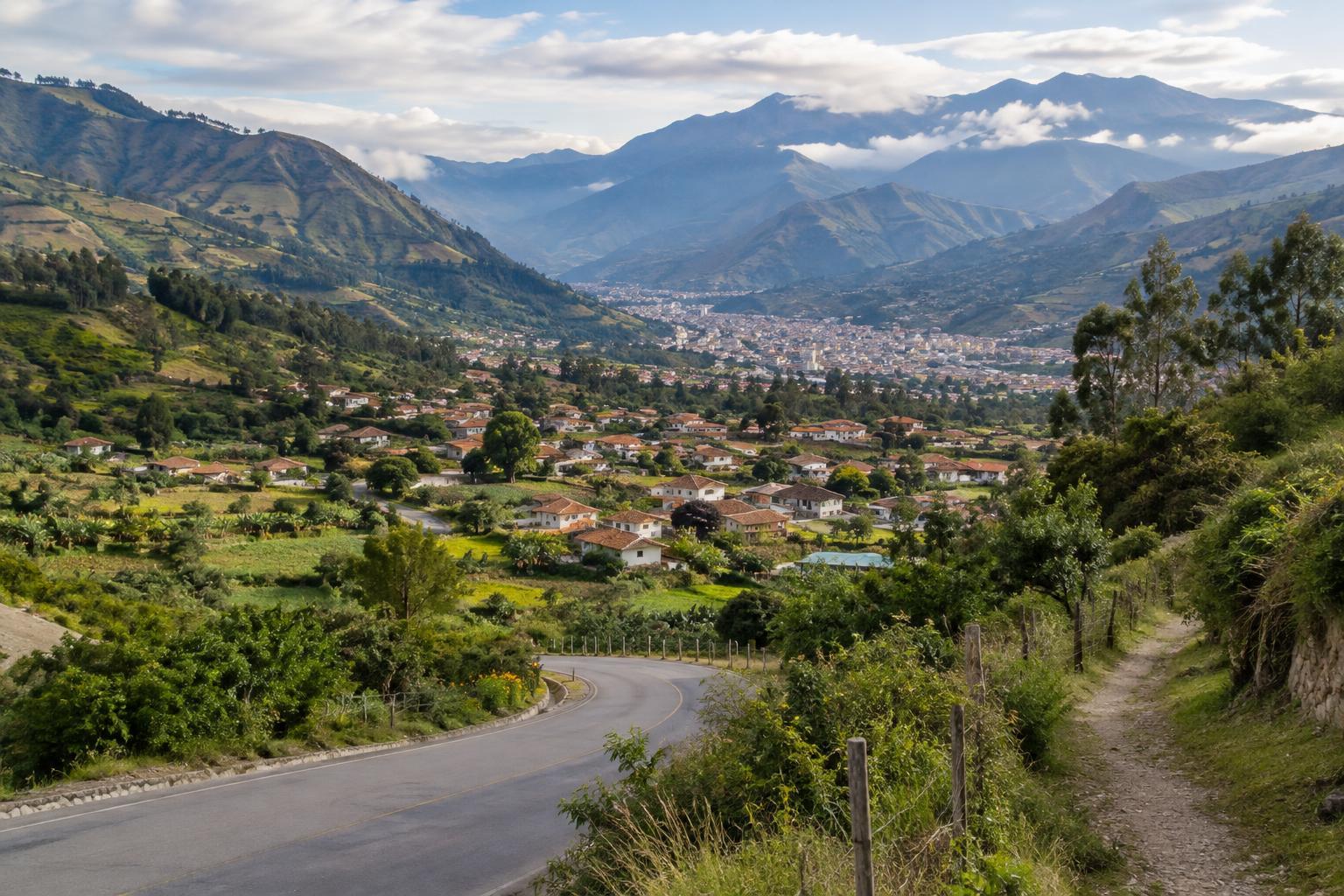
Carry a route you can follow without relying entirely on a phone signal, but be ready to change it. If a path disappears into a yard, runs close to a home or crosses a planted field, stop before proceeding. Look for a clear alternative or ask someone nearby if it is appropriate to pass. If nobody is available and access is unclear, turning back is a sound decision, not a failed walk.
Read gates and field boundaries with care
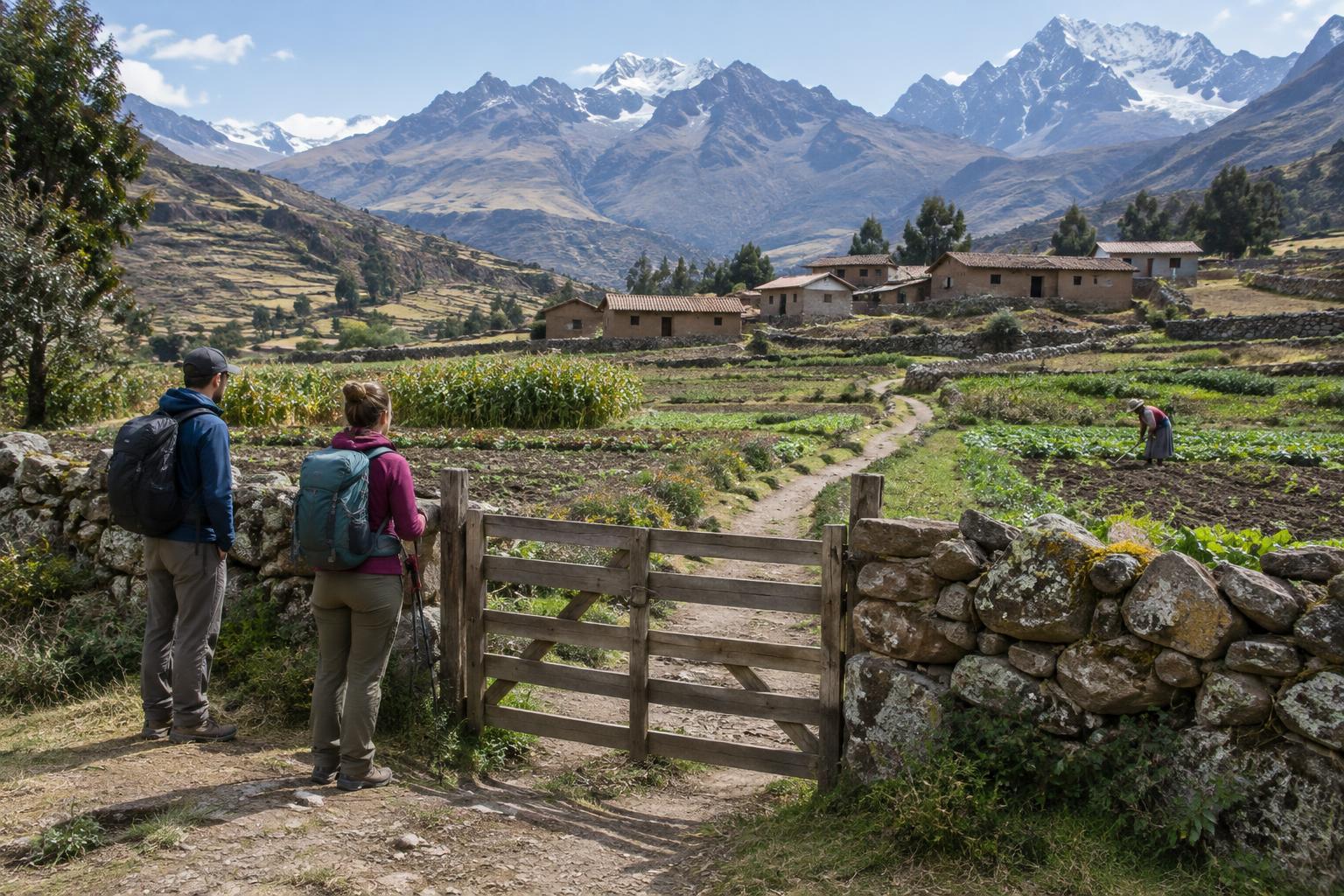
Gates serve practical purposes: they may keep animals in, protect crops or mark a boundary. Use a gate only when you have good reason to believe the route beyond it is open to walkers. If you do pass through, leave it as you found it, unless a posted notice or the person responsible tells you otherwise. Check that a latch is secure without slamming or damaging it, and never climb a gate or fence to continue a route.
The shortest way across a field is not necessarily the least disruptive. Stay on a clearly established path where access is permitted, rather than cutting across crops, irrigation channels or newly worked ground. Wet soil can be easily marked by footprints, and a small shortcut can become a wider track when others follow it. Give working people and livestock space; wait at a distance if animals are being moved instead of trying to thread your way through.
Signs, fences and a direct request to stop should be taken seriously, even if your map shows a trail continuing. Access can change, and a digital route cannot settle a disagreement on the ground. Respond calmly, apologise if you have entered somewhere you should not be and ask which way you can return or continue. Do not argue that a path must be public because other walkers have used it.
Pass through villages as a guest, not an audience
Village lanes are also places where people live and work. Keep groups together on narrow paths, make room for residents carrying loads or moving animals, and keep noise down near homes. Greet people when appropriate, but do not assume anyone has time to give directions or explain their community to you. Learning a few useful words in the language spoken locally can help you ask simple questions politely.
Ask before photographing people, homes, courtyards or work in progress, and accept a refusal without pressing. The same care applies to sharing a walking route afterward. A track that begins at a household entrance or crosses a field with informal permission may not be suitable to publish as a general recommendation. Describe access limits honestly so that your account does not send other visitors into a private space.
Plan for a route that may change
A respectful walk needs a little flexibility. Allow time for questions, detours and a return by the same path if necessary. Choose a distance you can manage without needing an uncertain shortcut, and carry water, weather protection and enough daylight for slower progress. In higher or more remote areas, conditions can make a familiar-looking path harder to follow; know when to turn around rather than pushing on through farmland in search of a connection.
If access matters to a longer itinerary, arrange it in advance where possible rather than relying on an encounter at a gate. A locally based guide may be useful on routes with complex navigation or permissions, but hiring one does not make every path open. Follow agreed routes and any instructions given by the people responsible for the land.
Responsible walking is not about mastering a universal set of access rules. It is about recognising that paths have purposes beyond your journey, checking before entering uncertain places and being willing to take another way. That approach protects fields and animals, respects residents’ privacy and leaves a better experience for the next walker.