A few steps can leave a lasting line
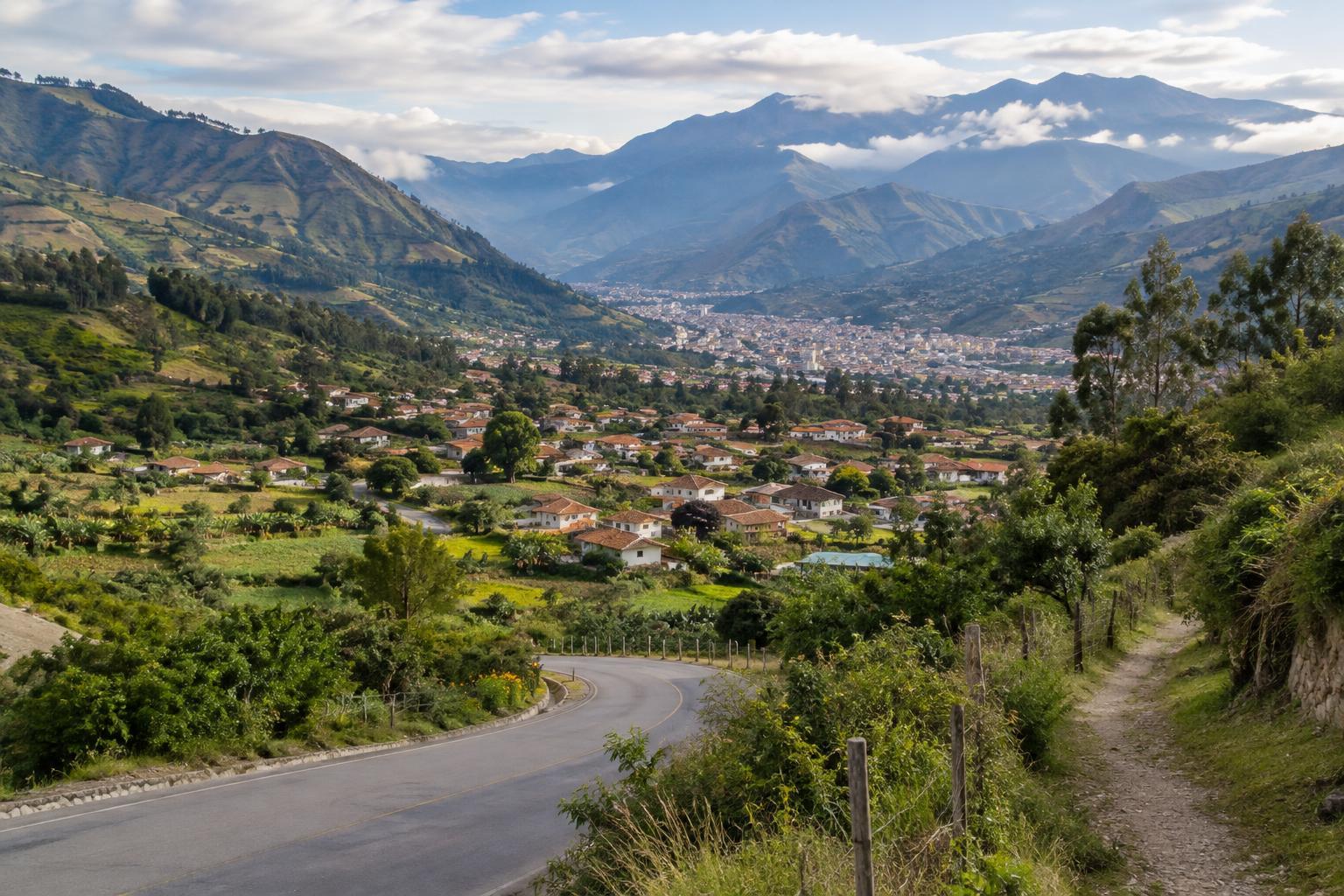
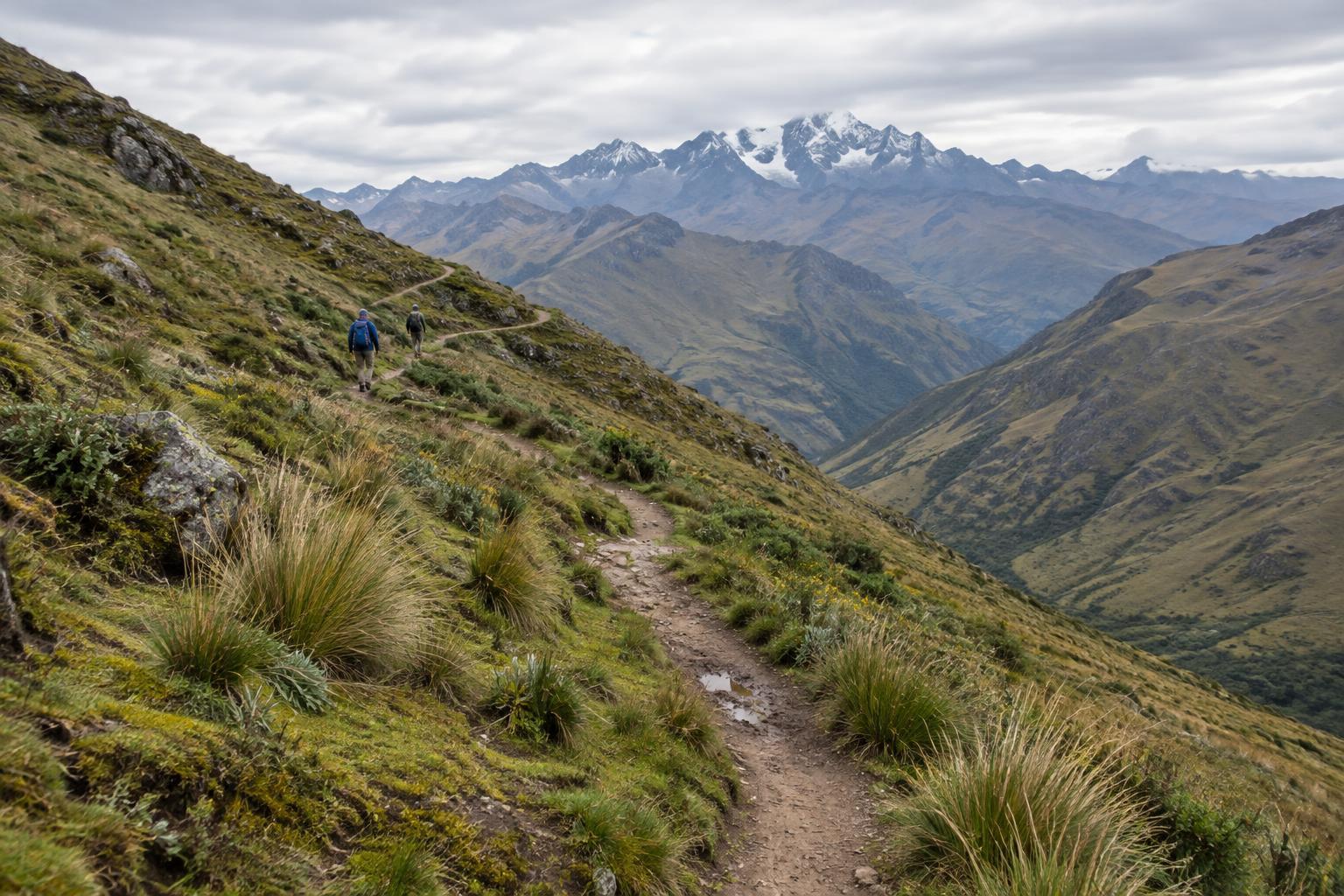
On a long Andean walk, a bend in the trail can look unnecessary. The destination may be visible just across the slope, and a faint line through the grass can make a shortcut seem established. But that line may have begun with only a few walkers. Each person who follows it presses vegetation down and exposes more soil, making the detour easier for the next person to notice.
The effects depend on the place. Andean landscapes include dry slopes, grassland, wetlands, farmland and cloud-forest paths, each of which responds differently to foot traffic. In many settings, though, a narrow, well-used route concentrates wear in one place. Shortcuts spread it across a wider area. Staying on the intended path is a simple way to avoid adding to that damage.
Why switchbacks are worth following
A trail that zigzags uphill is usually doing useful work. Switchbacks reduce the steepness of a climb, provide firmer footing and help keep walkers on a defined route. Cutting straight between them can loosen soil and create a channel running downhill. Rain may then carry sediment along that channel, making it deeper and more tempting to follow.
The same problem can grow when people walk around the edge of a switchback instead of making the turn. What begins as a narrow cut can become a broad, worn patch. Even if one crossing seems harmless, the route becomes harder to maintain when many people make the same choice. Allow time for the full trail rather than treating its bends as optional.
Mud is part of the trail
Muddy ground presents a common dilemma: walking through it means wet boots, while stepping onto the dry edge feels easier. Yet repeated steps around puddles can steadily widen a path. On a narrow trail, walkers may eventually leave two or three parallel tracks where there was once one. Fragile plants beside the route can be damaged in the process.
If the marked way is passable and safe, use it and accept that your footwear may get dirty. Waterproof boots, suitable socks and a change of socks for later can make that choice more comfortable. Do not force a crossing that appears unsafe, however. If deep mud, fast water or unstable ground blocks the route, stop and assess your options rather than creating a new track around the hazard.
When the route is unclear
Not every Andean walking route has frequent signs or a clearly built surface. Animal tracks, old paths and routes used for local work can look like the way ahead. Before leaving a definite trail, pause and check your map or offline navigation notes against the ground. Look back as well: knowing what the last clear section looked like can help you retrace your steps.
A visible line is not necessarily a public route. Paths may cross private or community-managed land, and access arrangements can differ from place to place. Respect gates, signs and local guidance rather than assuming that a shortcut is open to visitors. If you cannot identify the intended route with reasonable confidence, turning back to a known point is usually better than pushing across vegetation in search of it.
Make the careful choice the easy choice
Good trail habits begin before the walk. Choose a route suited to your time and ability, so you are less likely to rush or look for shortcuts late in the day. Carry navigation information you can use without a mobile signal, and leave room in your plan for slow sections. Where a guide or local route manager gives trail instructions, follow them.
On the walk, keep to the marked or clearly established route, including at viewpoints and rest stops. Avoid stepping onto plants to pass other walkers; wait for a wider place instead. If a section is damaged or closed, follow the indicated alternative rather than making your own. A trail can feel small against a vast mountain landscape, but keeping footsteps in the right place helps leave the ground beside it undisturbed.