Start with the reason for the visit
A school visit can be presented as a chance for travelers to connect with a community. That description is not enough to establish that the visit benefits the school. Class time belongs to students and teachers, and hosting visitors can require preparation, translation and supervision. Before booking, ask who invited the group, what purpose the visit serves for the school, and whether teachers can decline or change the plan without pressure.
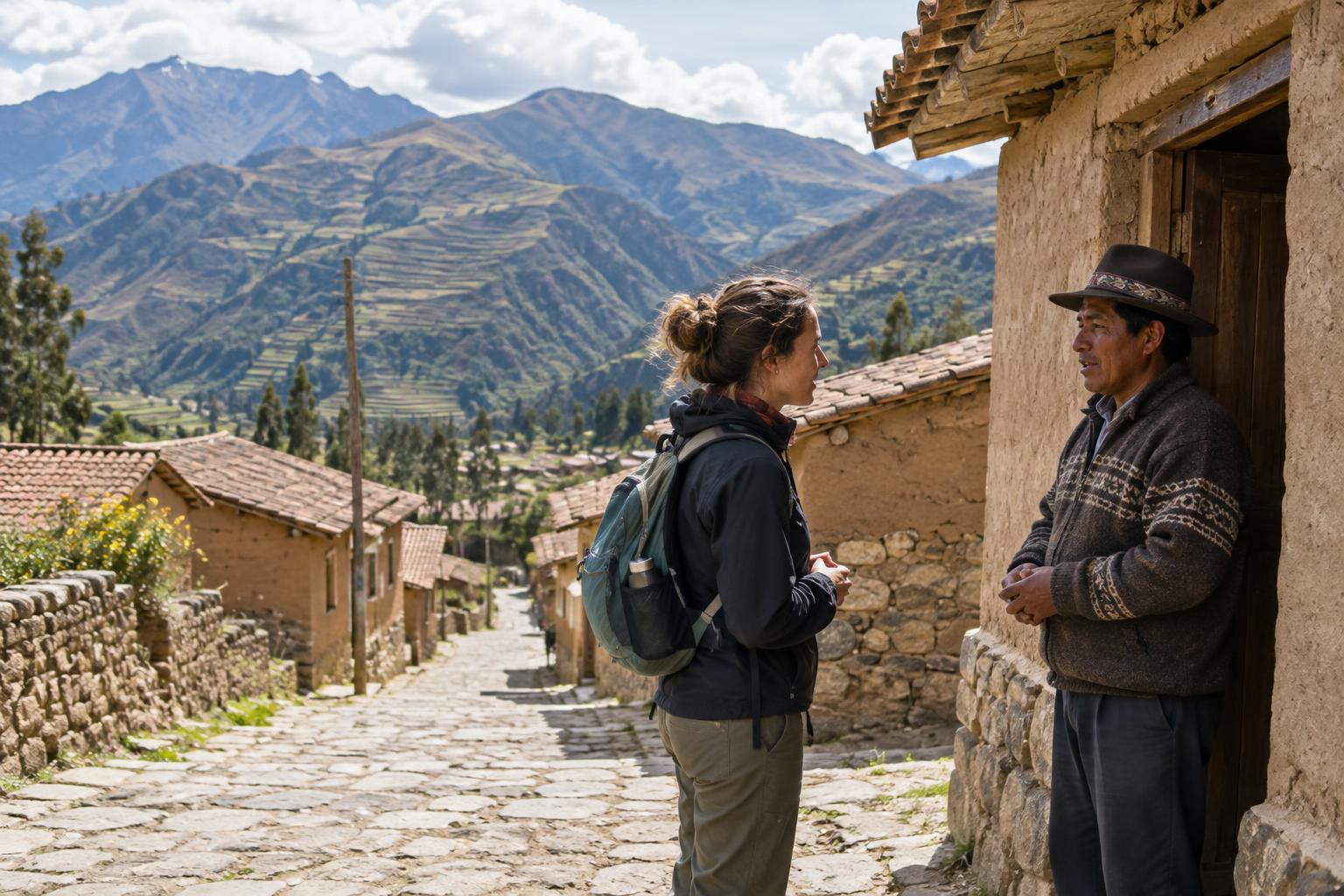
Find out what visitors will actually do. An arranged conversation with adults about education or community life is different from entering a classroom to watch children learn. Be cautious if the main attraction is access to children, photographs or a performance for guests. You can value local education without needing to observe a lesson. A cultural activity led by consenting adults may offer a better way to learn while leaving the school day undisturbed.
Ask how children’s privacy and safety are protected
If a visit involves children, ask for the host’s safeguarding rules before you arrive. Who supervises visitors? Are guests ever allowed to spend time alone with a child, exchange personal contact details or give gifts directly? Is there a clear person to speak to if something feels wrong? Good intentions do not replace boundaries. If an organizer cannot explain the arrangements, consider declining the visit.
Treat photographs and stories with particular care. Permission from an adult does not necessarily mean a child is comfortable being photographed or having an image shared online. Avoid posting names, school locations, personal circumstances or images that could embarrass a child later. Do not ask children to recount difficult experiences for a travel story. The simplest respectful choice may be to put the camera away and describe what you learned without identifying anyone.
Examine what a short placement can realistically offer
Short-term volunteering needs more scrutiny when it involves teaching, care or other work with children. Ask what skills the role requires, how volunteers are assessed, who provides training and supervision, and how your contribution fits into work led by local staff. A placement that gives an untrained traveler immediate responsibility for children should raise concern. So should a role that appears to replace a paid local worker.
Think about continuity as well as the activities planned for your stay. Will staff have to repeat introductions and training each time a traveler arrives? Is there a useful task you can complete without forming a brief relationship that a child may experience as another departure? A few days may suit a clearly defined, supervised task, but they rarely make someone a suitable teacher or caregiver. It is reasonable to decide that your most useful contribution is not to volunteer.
Look closely at money, gifts and accountability
If a visit or placement has a fee, ask what it covers and who receives the payment. Clear answers help you judge whether the arrangement supports a locally chosen activity or mainly sells visitors an experience. Avoid assuming that a higher fee produces a better outcome. Likewise, bringing supplies is not automatically helpful: items may be unsuitable, costly to store or difficult to distribute fairly. Ask what is wanted before buying anything.
Consider how the organizer handles concerns. Is there a written code of conduct for guests and staff? Can a teacher or community member raise a complaint? Who has authority to stop a visit? You do not need a perfect-looking brochure; you need understandable arrangements and people who will take responsibility for them. If answers are vague, rushed or designed to discourage questions, choose another activity.
Choose a way to engage that fits your trip
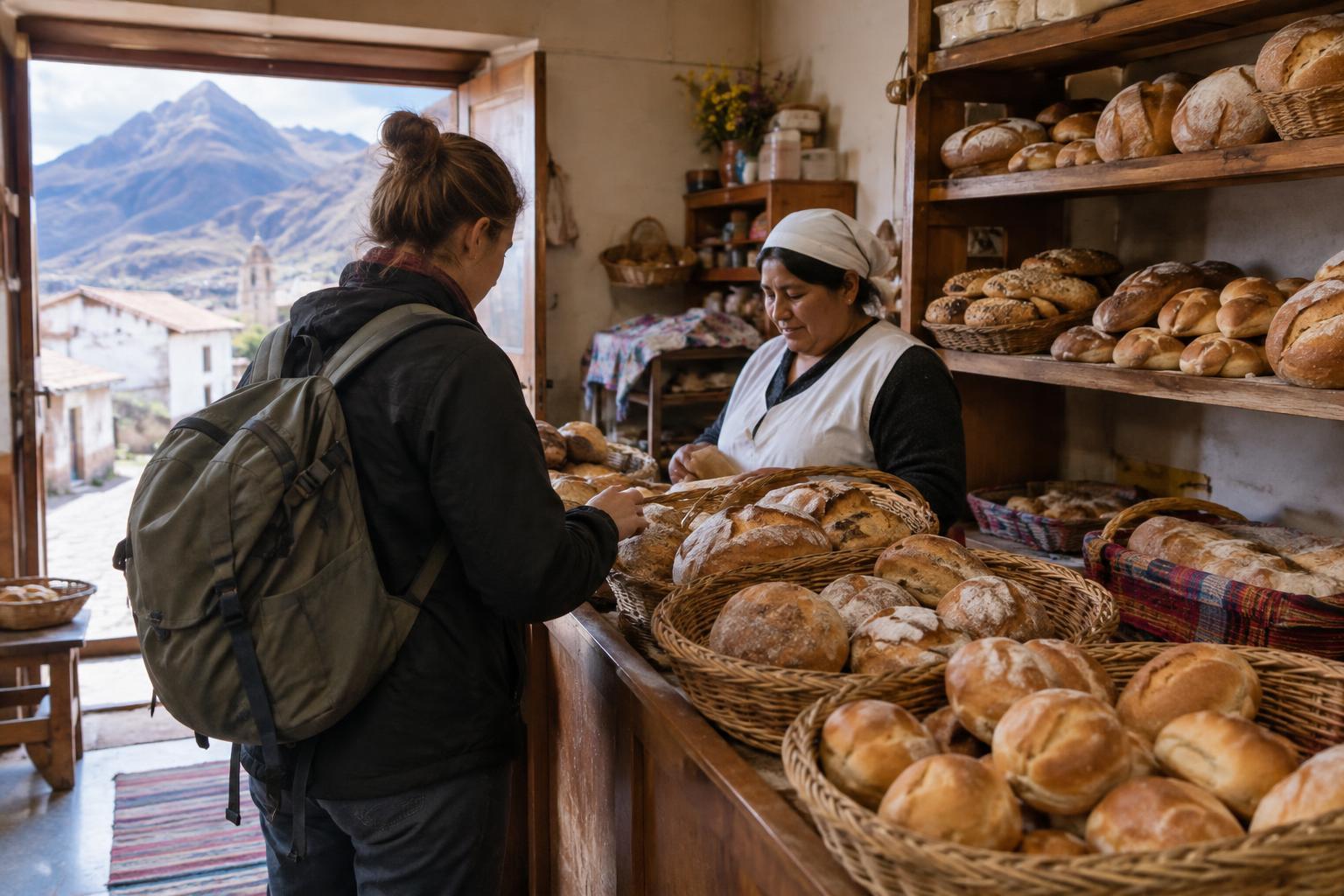
Responsible travel does not require access to a school or a volunteer role. You might book a walk with a local guide, visit a museum or community-run attraction open to guests, buy directly from a maker, or spend time learning a little of the language used where you travel. These choices can support local work while allowing people to decide how they welcome visitors.
If you do join an educational visit or placement, follow the host’s rules even when other travelers do not. Keep promises modest, respect requests not to photograph, and report a safeguarding concern through the organization’s stated process rather than investigating it yourself. The guiding question is not whether the experience will feel meaningful to you, but whether the people hosting it have chosen it freely and can manage it safely.