Find out what the route provides
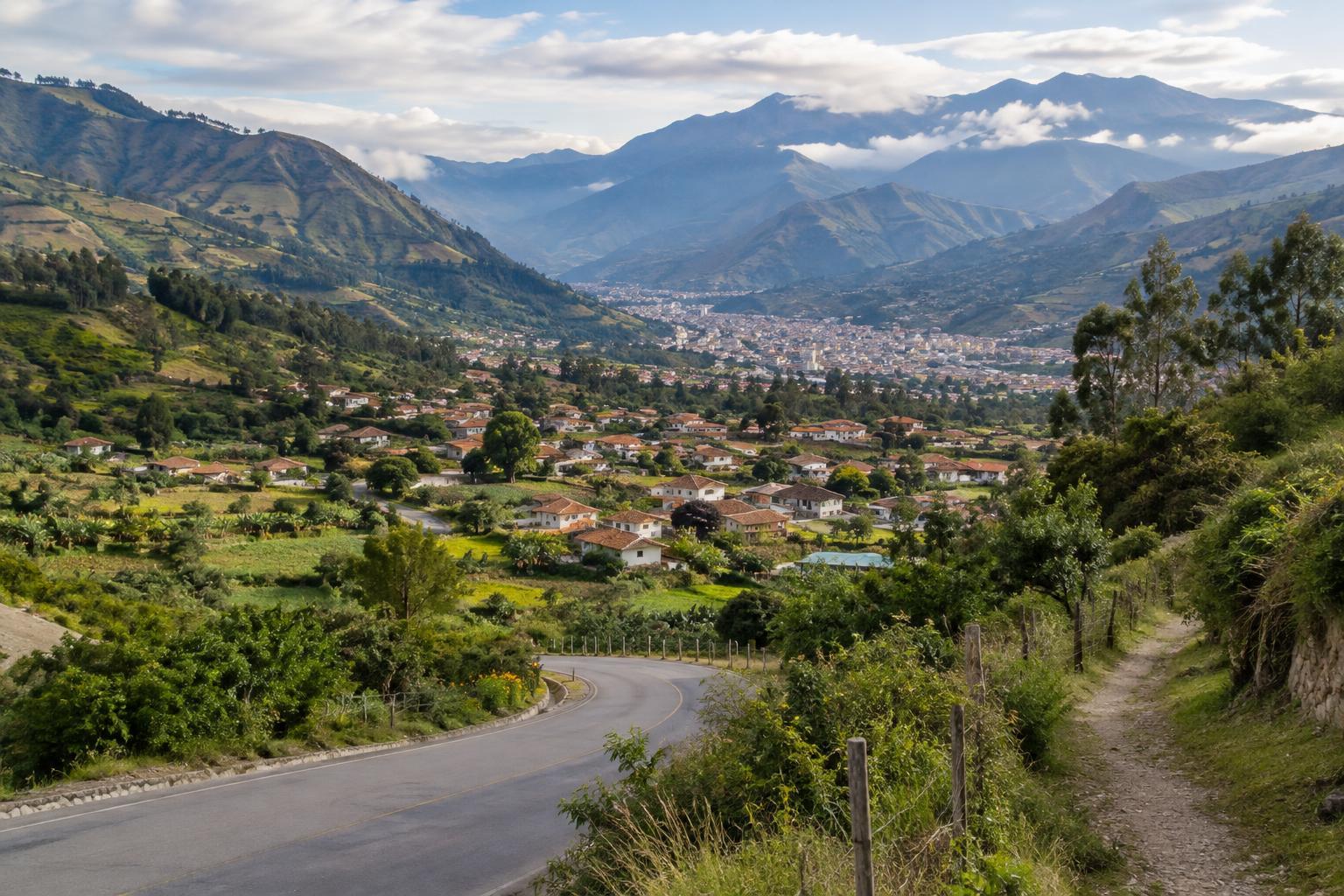
A toilet at the trailhead does not mean there will be another along the route. Before a remote walk, check the route information for toilets at campsites, villages, staffed stops and access points. Ask a local guide, accommodation host or relevant land manager what facilities are actually available and whether walkers must carry out waste. Conditions can differ between routes, and a facility shown on an old itinerary may not be usable when you arrive.
Use established toilets where they exist, even if they are basic. In villages or at privately run stops, ask before using a facility and follow any posted instructions. Do not assume a nearby field, stream bank or stone wall is an acceptable alternative. These places may be used for grazing, farming or daily travel, even when no buildings are visible.
Pack a small, reliable toilet kit
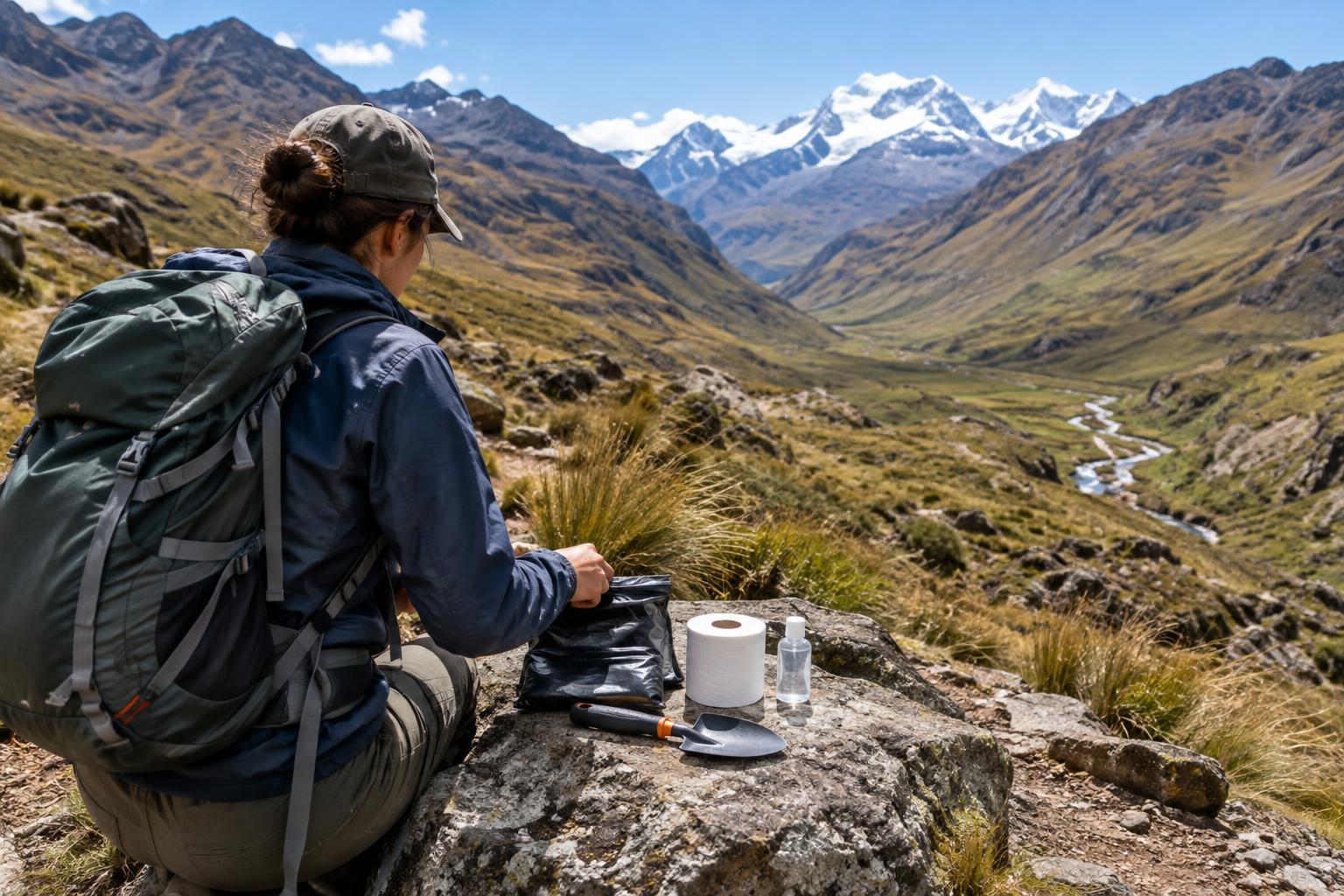
Keep your supplies together in an easy-to-reach bag: toilet paper, hand sanitiser, a small trowel where burial is permitted, and sturdy sealable bags for used paper and other waste. An opaque outer bag makes carrying used supplies more discreet. If your route requires you to pack out human waste, bring a purpose-made waste bag system suitable for the trip and find out beforehand where it can be disposed of. Do not assume a village bin or ordinary trailhead bin accepts it.
Carry enough supplies for delays as well as your planned walking time. Pack out used toilet paper, wipes and menstrual products rather than leaving them behind or burying them. Even products labelled biodegradable can remain visible for a long time in cold or dry conditions. Never leave loose paper under a rock for someone else to find.
Choose the method the place requires
There is no single disposal method for every Andean landscape. A busy route, a protected area or a fragile high-altitude campsite may require all solid human waste to be carried out. Cold, dry or rocky ground can make burial ineffective, and shallow soil may leave waste exposed. Follow the rules for the particular route first; if you cannot establish them, do not assume that digging a hole is allowed.
Where burial is explicitly permitted and the soil is deep enough, choose an inconspicuous spot well away from water, trails, campsites and places where people gather. A commonly used minimum separation is about 60 metres, but local rules may require more. Avoid drainage channels and ground likely to flood. Dig a hole roughly 15–20 centimetres deep, cover the waste completely with the excavated soil and restore the surface. Do not dig in snow, bare rock or ground where a suitable hole is impossible. If you cannot meet the local requirements, be prepared to carry the waste out.
Protect water and leave shared spaces clean
For urination, move away from streams, lakes, springs, paths and campsites; follow any route-specific guidance on where to go. Avoid spots immediately beside water collection points or places where other walkers are likely to sit. At a campsite, agree on a discreet area that does not send runoff towards tents or a water source. Give other people privacy, and keep any toilet area away from cooking and eating spaces.
Clean your hands after every toilet visit and before handling food. Soap and water are useful when available, but wash well away from natural water sources and scatter wastewater on suitable ground rather than pouring it into a stream. Hand sanitiser is convenient to carry, though it does not replace washing visibly dirty hands. A little preparation makes these routines easier when it is cold, windy or dark.
Make the plan part of the walk
Talk through toilet arrangements before setting out with companions, especially if the group includes children or anyone who may need more frequent stops. Identify the last dependable facility, carry your own supplies and allow time for a private stop rather than waiting until the situation is urgent. If you are walking with an operator, ask what the toilet setup is and how waste is handled; a responsible answer should fit the route and its local requirements.
Managing waste is not the most glamorous part of a mountain walk, but it is a practical way to respect the people who live and work along the route, other walkers and the water everyone depends on. The best plan is one you can follow when facilities are limited—not one that relies on finding a toilet around the next bend.