Begin with the city, not the mountains
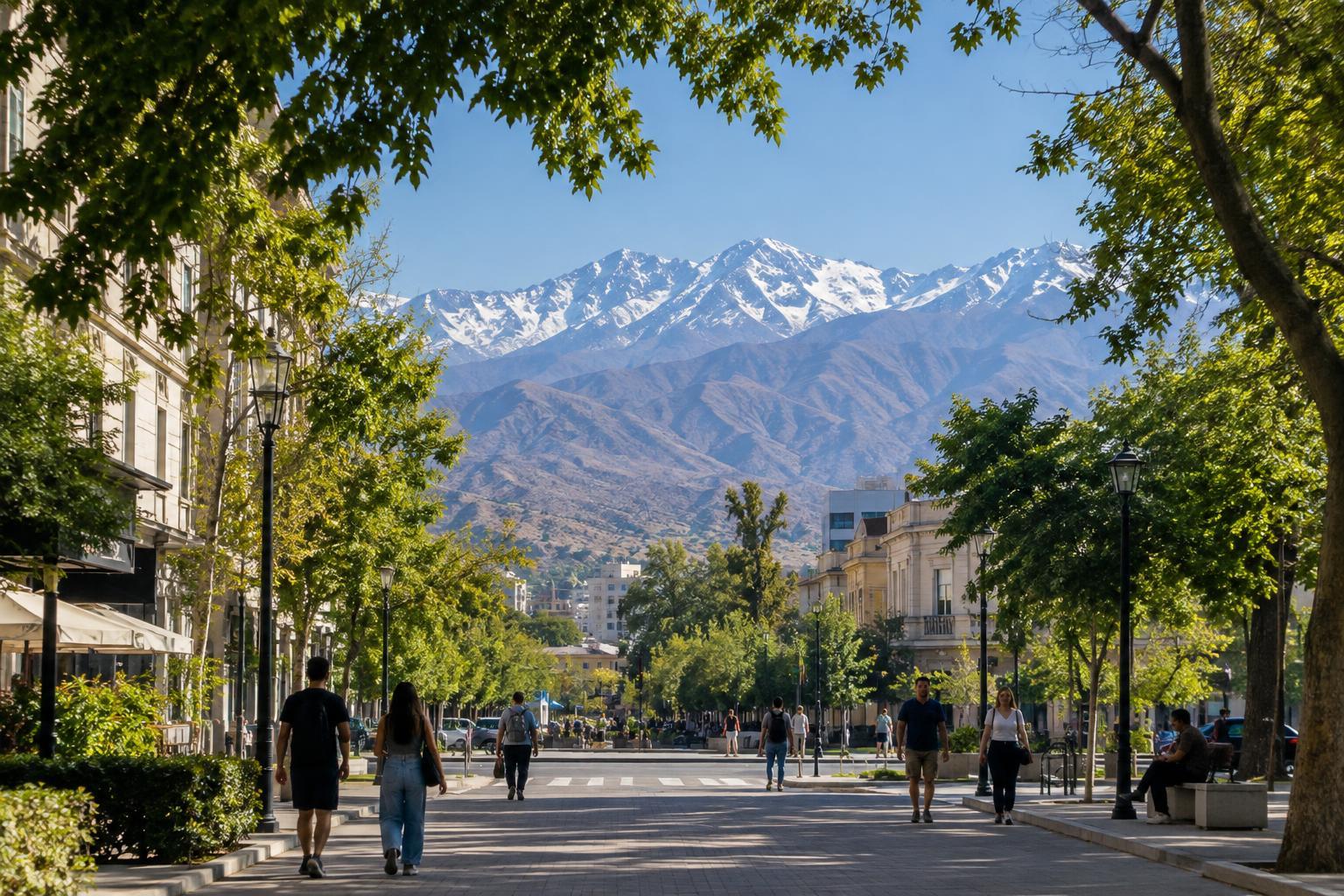
For many visitors, Mendoza is the starting point for a trip into the Argentine Andes. It is worth giving the city time of its own. Its broad streets, plazas and shaded walkways offer a gentler introduction than setting off for the mountains as soon as you arrive. A walk between the central squares is an easy way to get oriented, pause for a meal and notice how important shade is in this dry region.
The channels that carry water alongside many streets are part of the city’s character. They are also a reminder that Mendoza’s greenery depends on careful use of water. Look out for uneven pavement and open channels as you walk, particularly after dark. If you have an unplanned afternoon, a park visit or a long lunch can be more rewarding than trying to fit in a distant excursion.
Get a feel for the foothills
You do not have to attempt a demanding trek to appreciate Mendoza’s setting. From the city, the land rises towards the precordillera—the lower ranges before the high Andes. Short walks in the foothills can offer open views, dry-land vegetation and a clearer sense of how close the mountains are to urban life. Choose a route that matches your experience, and check access and conditions before leaving; a path that looks straightforward on a map may have little shade or water.
Parque General San Martín is another place to spend time outdoors without making a full-day trip. Its paths provide room to walk at an unhurried pace, though it is a city park rather than a substitute for a mountain trail. Pack water and sun protection even for modest outings, and leave more strenuous walks for a day when you have a reliable route plan.
Make the journey into the Andes part of the experience
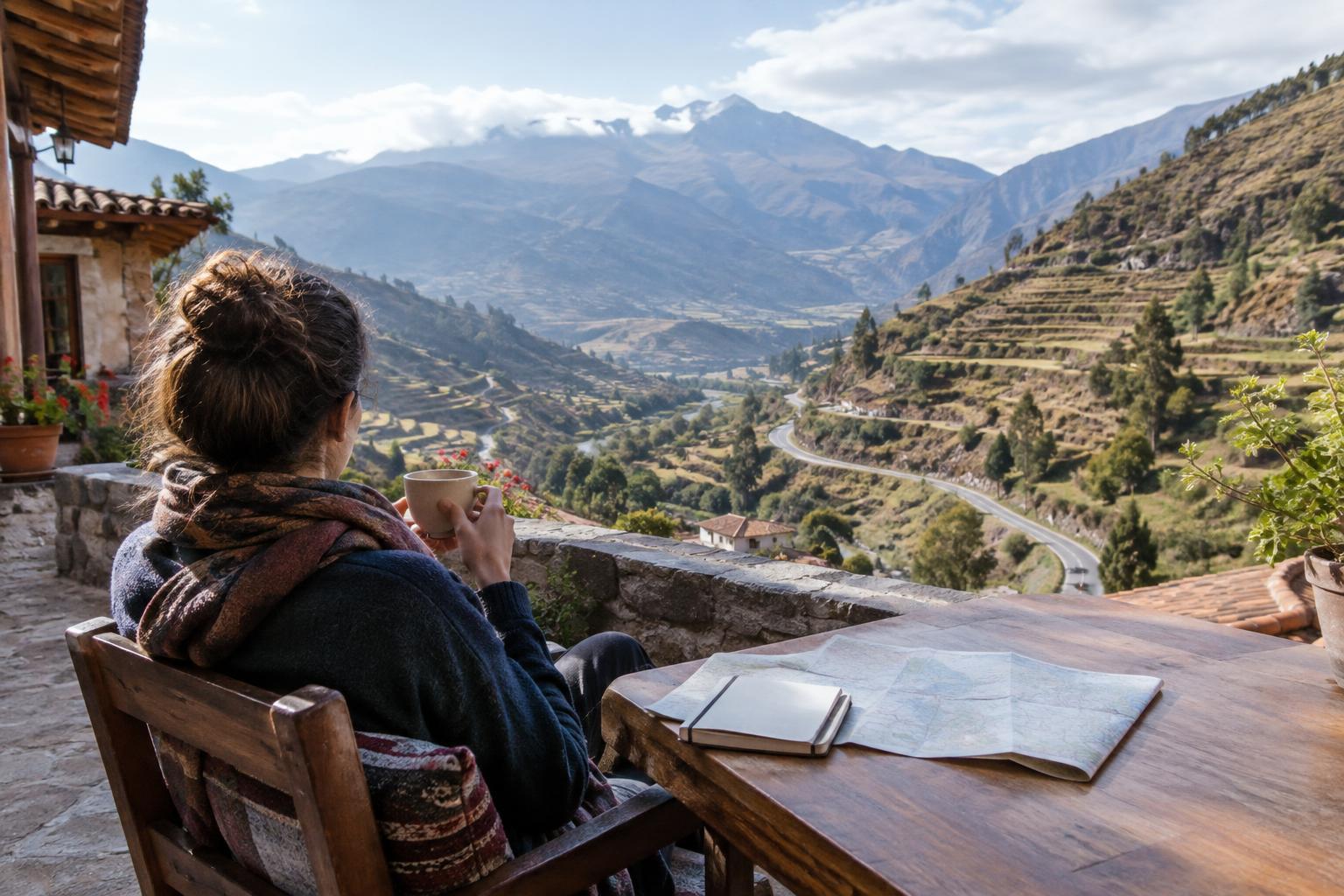
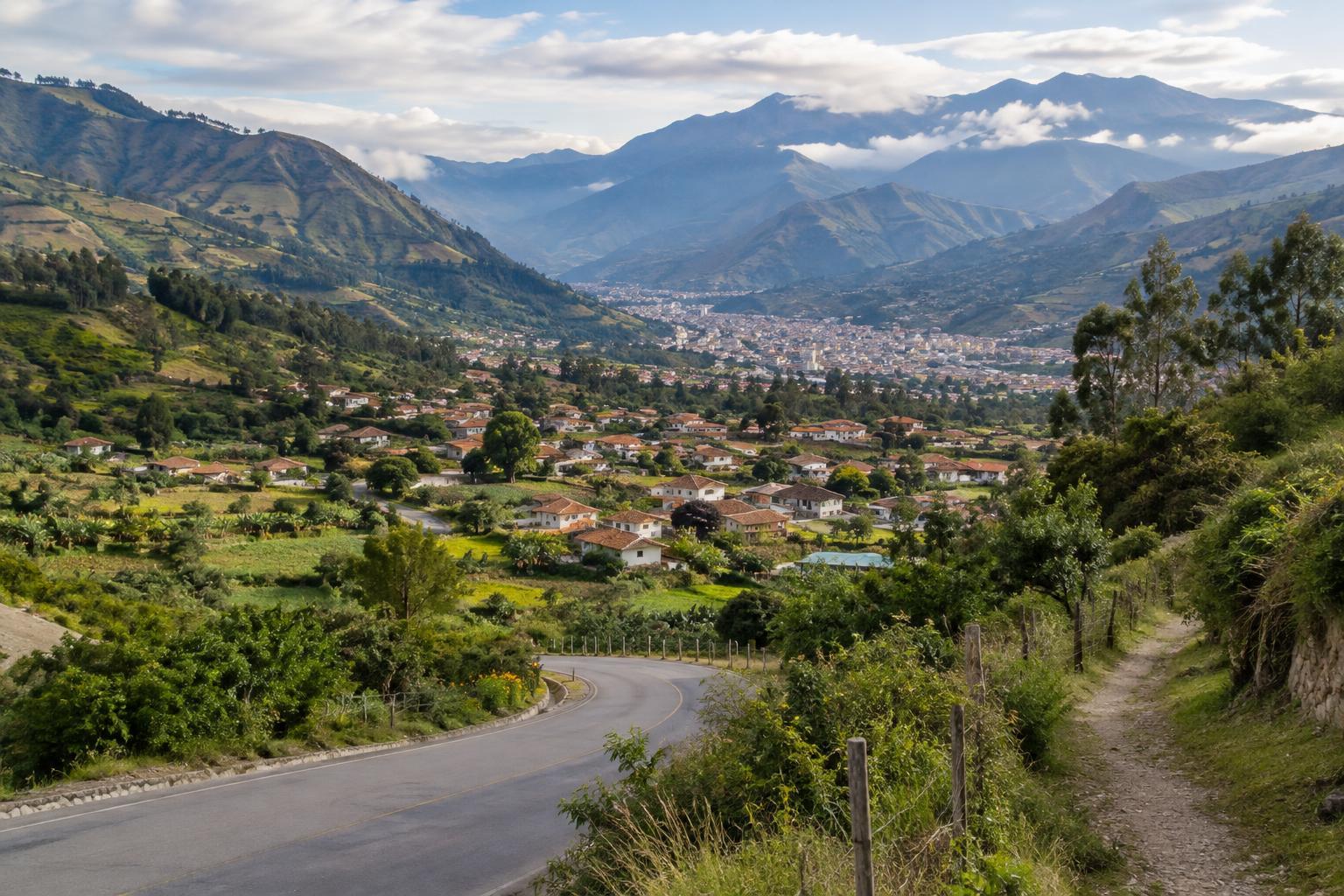
West of Mendoza, roads lead towards mountain settlements and dramatic high-country scenery. Potrerillos can work as a base for a quieter day near the water and surrounding hills, while Uspallata offers a different perspective on the valleys between ranges. Farther towards the Chilean border, the landscape becomes more rugged and elevations increase. Aconcagua, the highest mountain in the Americas, is a compelling sight, but seeing it does not require committing to a climb.
Treat distances on a map with caution. Mountain roads, weather and stops along the way can turn an apparently simple outing into a long day. Some trails and protected areas may have entry rules or seasonal restrictions, so confirm what is open and whether a permit is needed before you travel. If you are not driving, arrange transport with the return journey in mind rather than assuming you can find a ride at a trailhead.
Eat well and make room for local stories
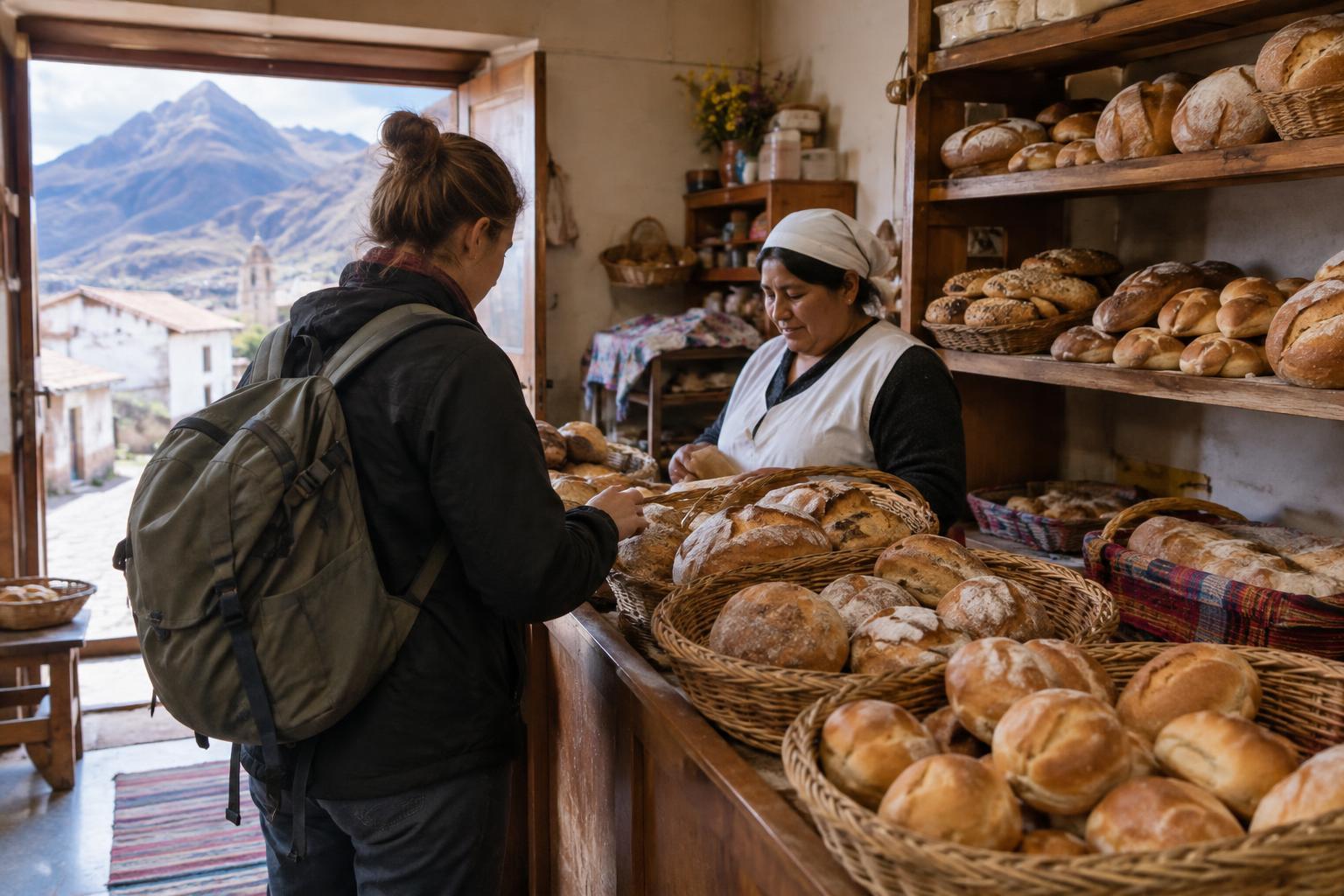
Mendoza’s food scene is broader than vineyard dining. Cafés, bakeries and neighborhood restaurants are good places to slow down between excursions. Empanadas make a convenient meal when you are on the move, while a longer lunch offers a chance to try regional cooking without building the day around a tasting. If you have dietary needs, ask about ingredients rather than relying on a dish name alone; recipes vary from kitchen to kitchen.
The city and surrounding valleys also have histories that extend well beyond tourism and wine production. Museums and locally led visits can provide context for the region’s Indigenous histories, settlement and relationship with water. Approach those stories as a learner: read how a museum or guide describes its own work, ask thoughtful questions and avoid treating any one account as the voice of every community.
Plan for a dry city and changeable mountains
Mendoza rewards a flexible itinerary. City walks, foothill outings and high-mountain trips call for different clothing and levels of preparation. Carry drinking water, dress for strong sun and bring layers for mountain travel, where conditions can differ sharply from those in town. At higher elevations, allow time to adjust and be willing to turn back if you feel unwell or the weather deteriorates.
A useful plan is to keep one day for the city, one for a manageable outdoor outing and one as a flexible mountain day. That leaves space to change course rather than pressing ahead in poor conditions. Stay on established paths, take rubbish back with you and respect signs around water, private land and protected areas. Mendoza’s appeal lies partly in that contrast between city life and vast landscapes; traveling at a measured pace lets you appreciate both.