A small purchase can have a wider effect
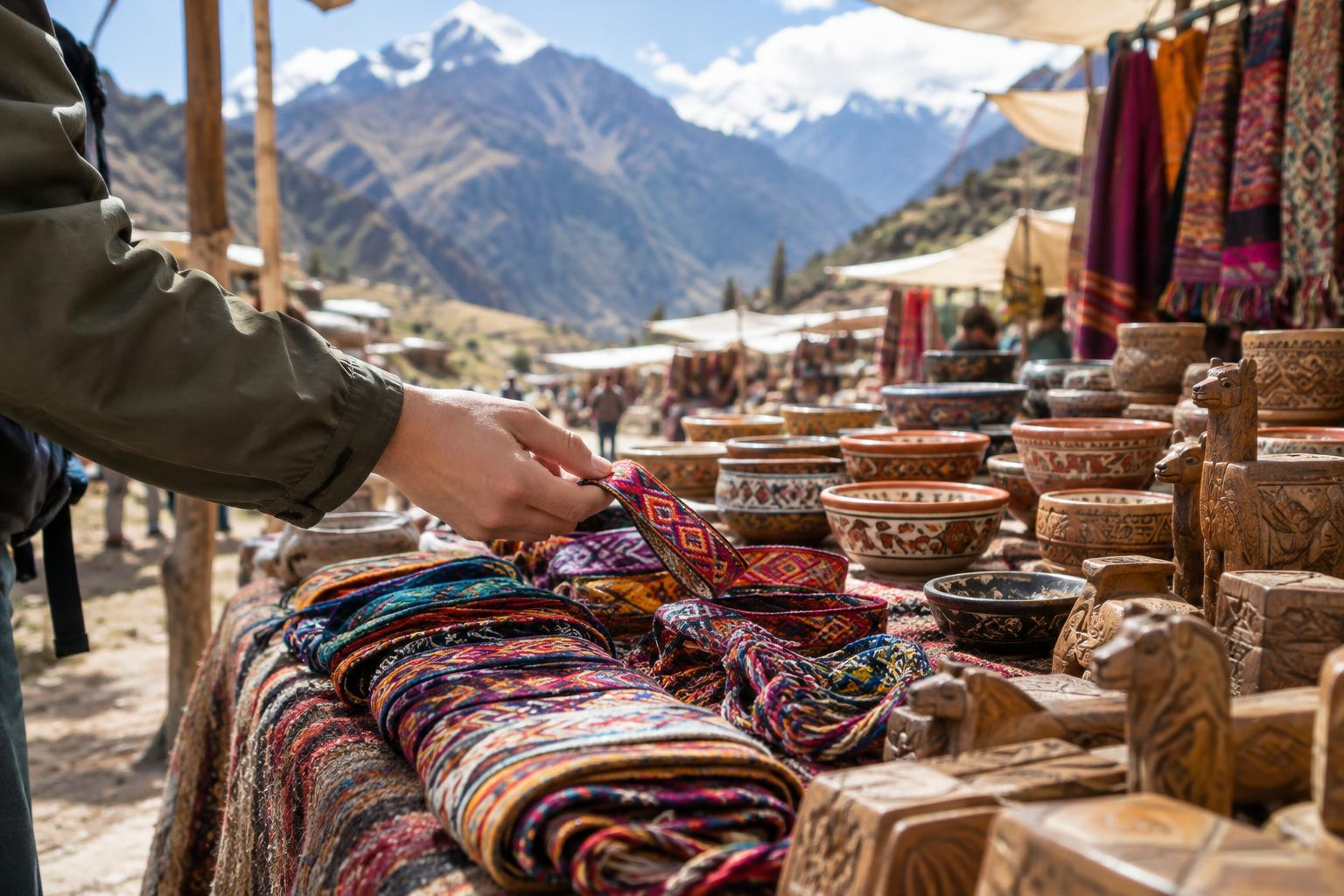
Market stalls across the Andes offer many appealing things to take home: woven textiles, ceramics, prints, musical instruments and food. Occasionally, a souvenir also contains part of a wild animal. A feather in an ornament or a tooth on a necklace may seem minor, especially if a seller says it was found rather than taken. As a buyer, though, you may have no reliable way to check where it came from.
The concern is not that every wildlife item was obtained illegally. It is that demand can make animals and their parts worth collecting, and a purchase can encourage more of the same. A practical approach is to avoid souvenirs made from wild animals when their origin cannot be established. That leaves plenty of room to appreciate local craft without asking a seller to prove something they may not be able to document.
Products worth leaving on the stall
Be especially cautious with teeth, claws, bones, skins, mounted animals and objects advertised as containing parts of rare or powerful wildlife. Feathers from wild birds, preserved insects, shells, coral and dried animal specimens also deserve a pause. An item may be sold openly yet still raise questions about how it was collected, whether the species is protected, or whether you can take it home.
Materials are not always obvious from appearance. A polished piece may be sold as horn, bone, shell or resin; a dyed feather may be hard to identify. If the animal material is part of the attraction and you cannot confidently establish what it is, the simplest choice is not to buy it. That is a purchasing decision, not an accusation against the person selling it.
Why a receipt may not settle the question
Wildlife rules can differ between the place an item was collected, the place it is sold, countries you travel through and the country where you arrive. Rules may also depend on the species, the age of the object and whether it was made from a farmed animal or collected from the wild. A shop receipt generally shows that you paid for something; it does not necessarily establish its species, origin or permission to export it.
Some animal-derived materials are sold through regulated systems, so a blanket assumption that all such goods are forbidden would be misleading. Vicuña fiber, for example, may appear in legitimate products, but a traveler still needs to understand the origin and any applicable paperwork before considering a purchase. If a seller cannot explain the material clearly, do not expect an airport inspection to resolve the uncertainty in your favor. Check relevant official customs and wildlife guidance before travel if you plan to buy anything animal-derived.
Shop with curiosity, not suspicion
Questions can be brief and courteous: What is this made from? Where was the material obtained? Is there documentation for taking it abroad? Listen to the answer without assuming that a confident response is proof, or that an uncertain one reflects bad intent. Small producers may not know another country’s import requirements. If you remain unsure, thank the seller and choose something else.
Avoid treating an entire market or tradition as a problem because you have seen one questionable object. Crafts vary by community, workshop and maker. You can support artisans by buying work whose materials you understand, asking permission before photographing people or their stalls, and paying a price you are comfortable with rather than pressing for a bargain based on an item’s uncertain origin.
Choose a keepsake you can enjoy without doubts
Textiles made from clearly identified domestic animal fibers, pottery, paper goods, woodwork and prints can be satisfying alternatives, although any material can raise questions of its own. Ask what an object is made from and consider how easy it will be to carry. Food and plant products may also face border restrictions, so do not assume that “not wildlife” automatically means trouble-free travel.
The easiest decision is often made before you start shopping: decide that you will not buy wild-animal parts or anything you cannot identify. That personal rule removes pressure from a conversation at a stall and reduces the chance of carrying an item you later have to surrender. A good souvenir should remind you of a place and the people whose work you valued, not leave you wondering what happened to an animal before it reached your bag.


