Start with the historic centre
Cuenca sits in Ecuador’s southern highlands, and its historic centre is a good place to begin on foot. Streets laid out in a grid make it fairly easy to find your way between plazas, churches, shops and cafés. Allow time to look beyond the best-known buildings: courtyards, balconies and small businesses are part of the experience too. Pavements can be uneven, so comfortable shoes are more useful than a tightly packed sightseeing schedule.
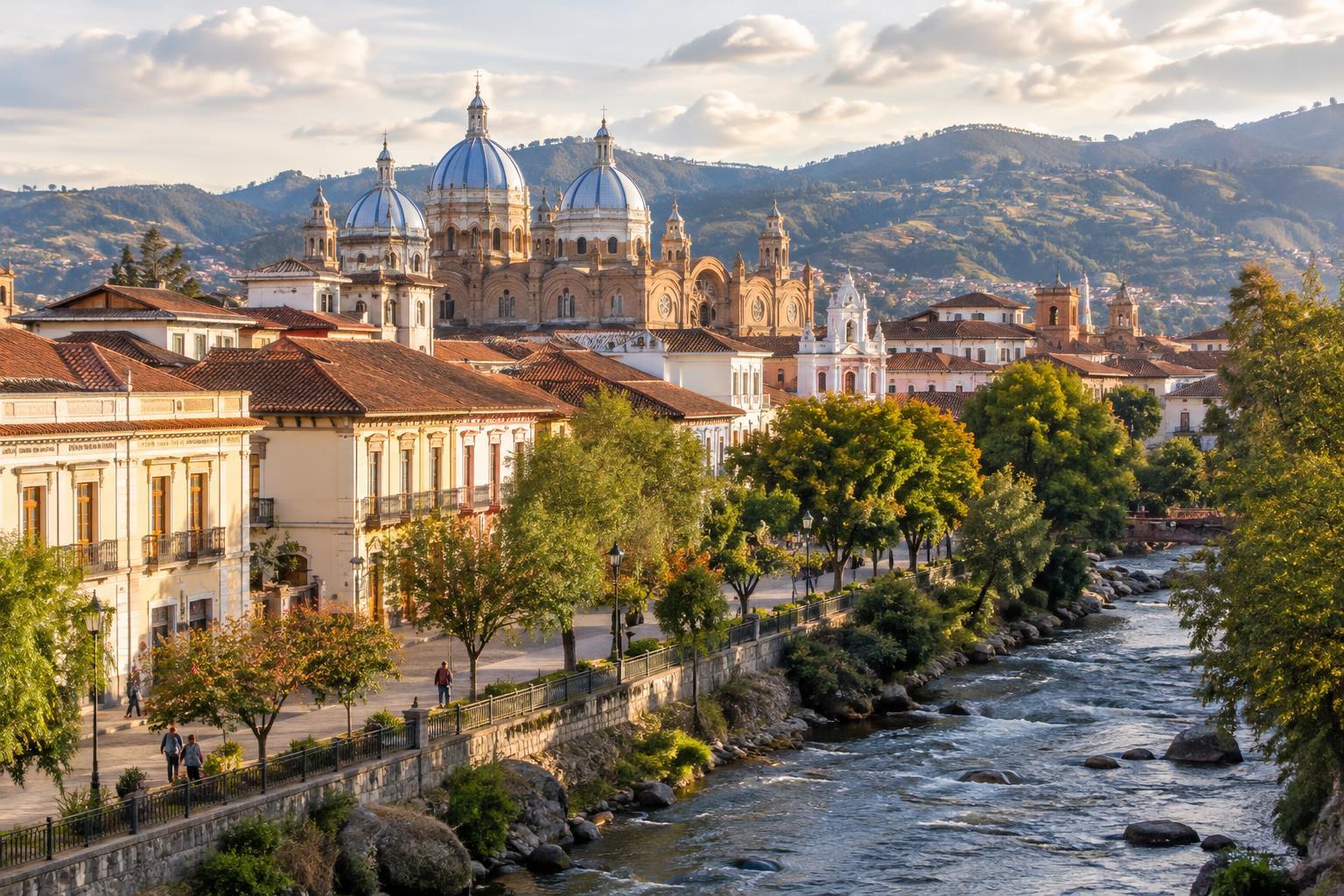
Parque Calderón is a natural starting point. The New Cathedral, with its distinctive blue domes, faces the square, while the Old Cathedral stands nearby. Before entering a church, check whether it is open to visitors and whether a service is taking place. A slow circuit of the surrounding blocks gives you a feel for the centre without requiring a formal route.
Follow the river for a different view
From the centre, walk towards the Tomebamba River to see how the city changes at the edge of its older streets. Routes beside the water offer space to pause, while bridges connect the historic area with neighbourhoods across the river. Choose a short out-and-back walk if you have limited time; there is no need to follow the river for its entire length.
Getting down to the riverside and back up may involve steps or slopes. If mobility is a concern, look at your route before setting out rather than assuming every crossing will be easy to use. Weather can change through the day in the highlands, so carrying a light rain layer is sensible even when the morning looks clear.
Make time for Cuenca’s layered history
Cuenca is more than its colonial-era streets. The Pumapungo museum and archaeological area can provide an introduction to the region’s longer history, including Cañari and Inca heritage. Check current access and opening arrangements locally, then leave enough time to read the exhibits rather than treating the site as a quick photo stop. As at any archaeological place, stay on permitted paths and follow signs around fragile areas.
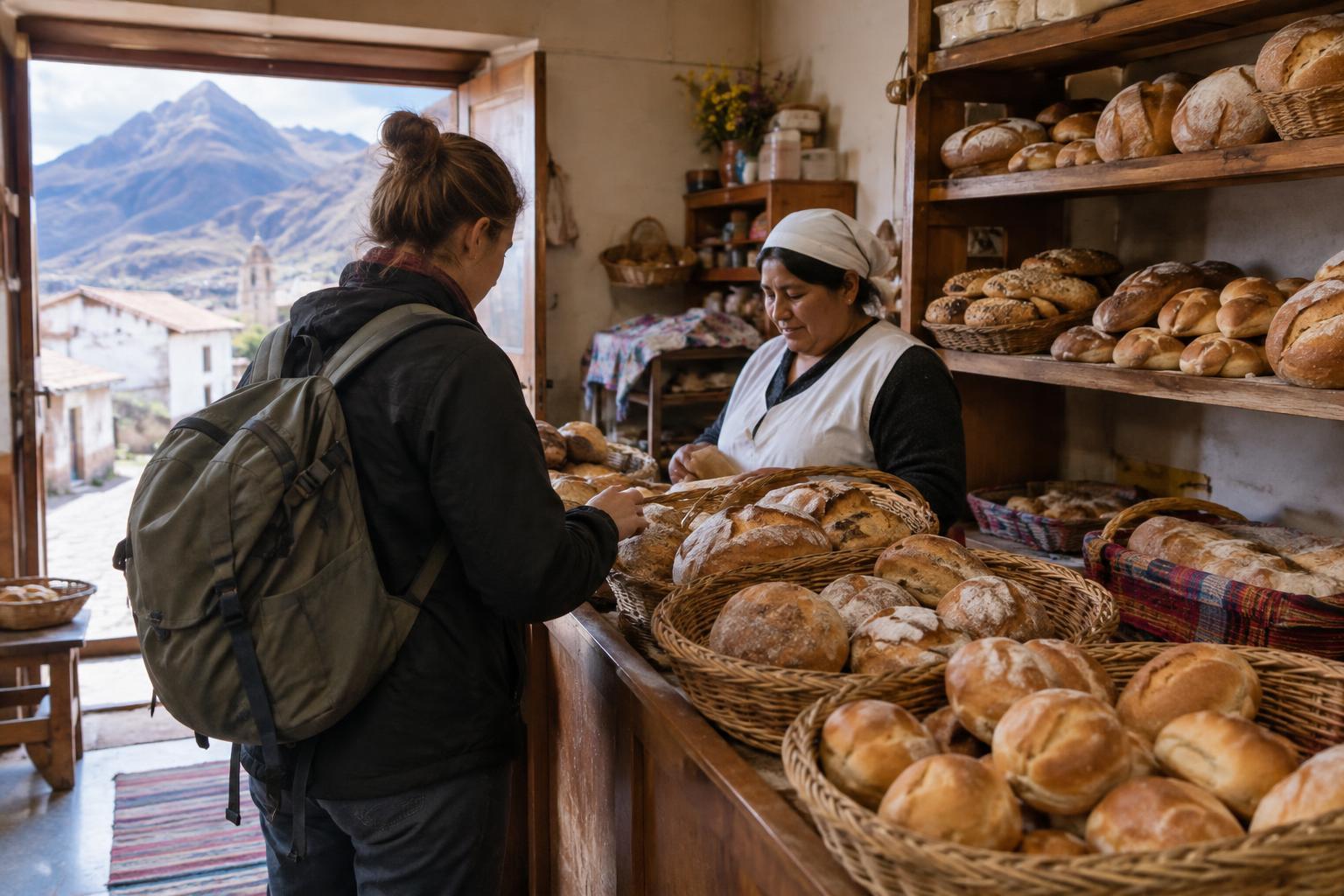
Markets and craft shops offer another way to spend time in the city. Browse with curiosity, ask before photographing people or their work, and remember that a market is a workplace as well as a visitor attraction. If you buy something handmade, asking about its materials or making process can lead to a more meaningful exchange than bargaining over every small purchase.
Choose a nearby outing that suits your day
For a broad view of Cuenca, the Turi viewpoint is a manageable addition to a city visit. It sits above the centre, so decide whether you want to walk uphill or arrange transport. Visibility depends on the weather; a flexible plan is better than building your whole day around a guaranteed panorama.
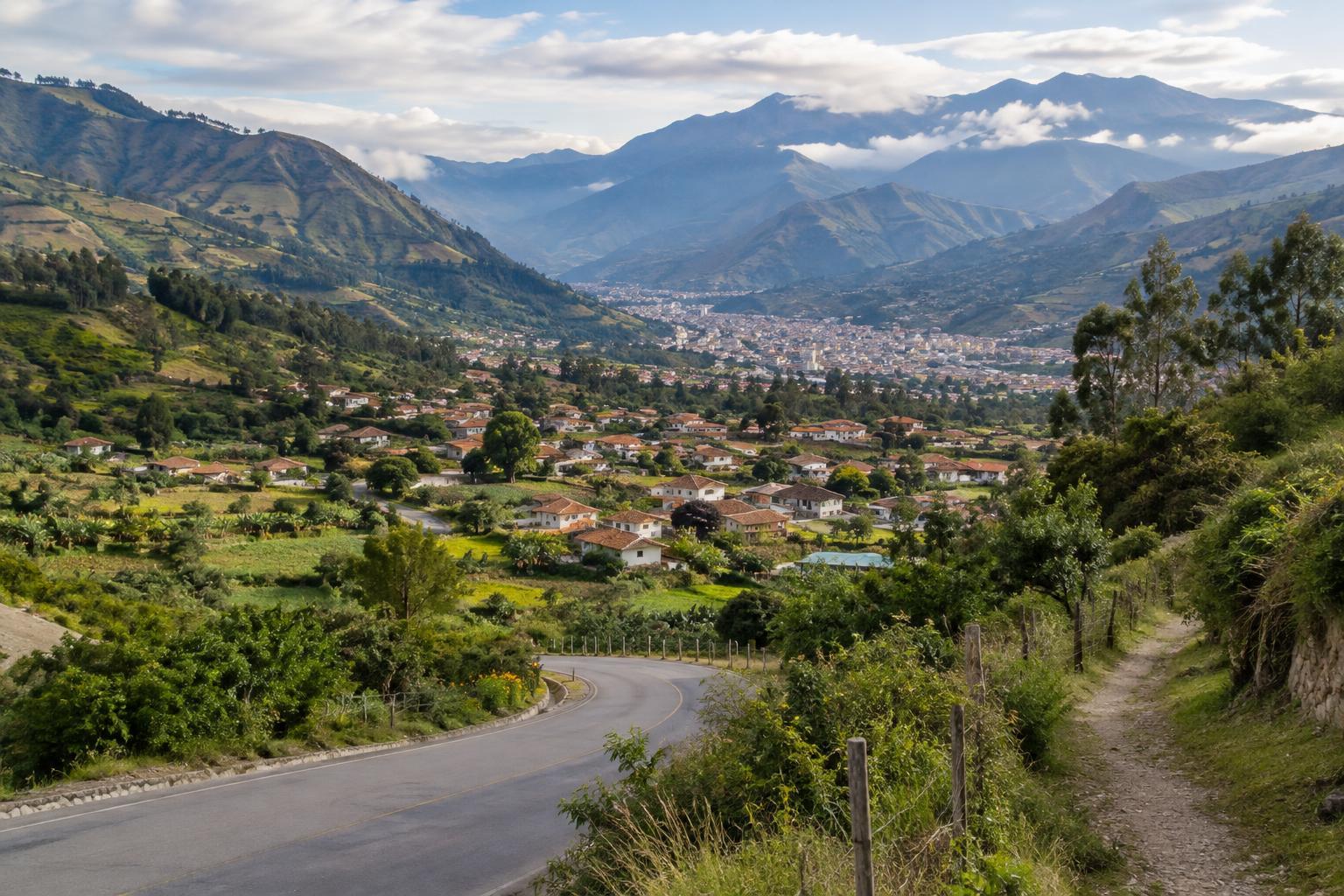
Cajas National Park is a different kind of outing, with high-elevation lakes and open landscapes outside the city. Conditions there can feel much colder and wetter than in central Cuenca. Pick a route suited to your fitness and experience, take warm and waterproof layers, and confirm access, transport and trail guidance before leaving. If you would rather spend the day in towns, Gualaceo and Chordeleg are possible excursions; check travel times and opening days so the journey does not consume the visit.
Plan a comfortable, considerate stay
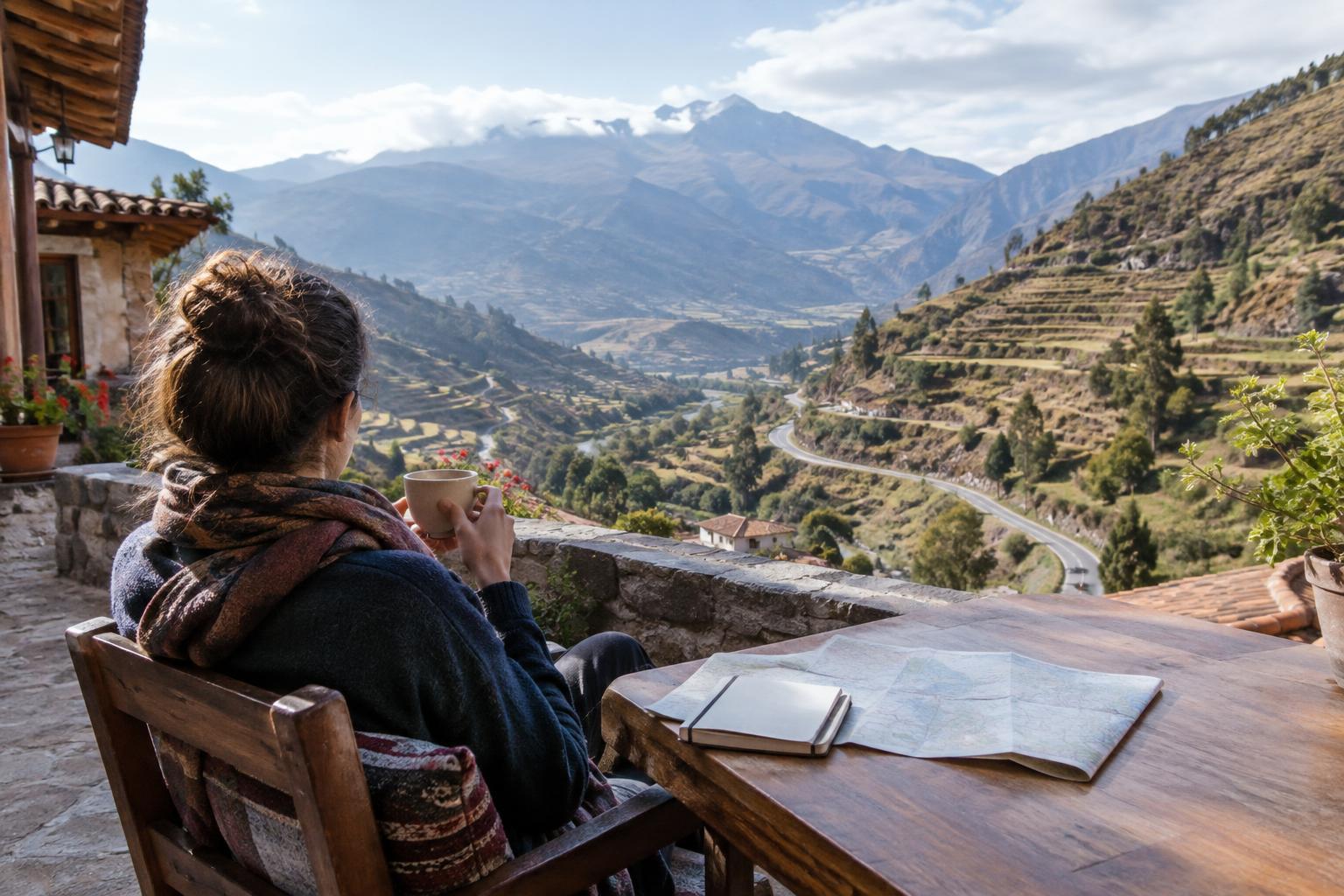
Cuenca’s elevation may make the first day feel more tiring than expected, especially if you arrive from a lower place. Keep your initial plans gentle, drink water and allow room to rest. A base near the centre can make short walks and breaks convenient, but consider street noise and your own mobility needs when choosing accommodation. For trips beyond the walkable core, ask locally about current bus routes or arrange a taxi through a trusted channel.
You can see the main central sights in a day, but an extra day makes it easier to visit a museum, linger by the river or take one excursion without rushing. Carry small amounts of cash for modest purchases, while checking payment options before relying on a card. Most importantly, treat churches, markets and residential streets as places used by local people, not as a backdrop. That approach makes an independent visit easier to navigate and more rewarding.